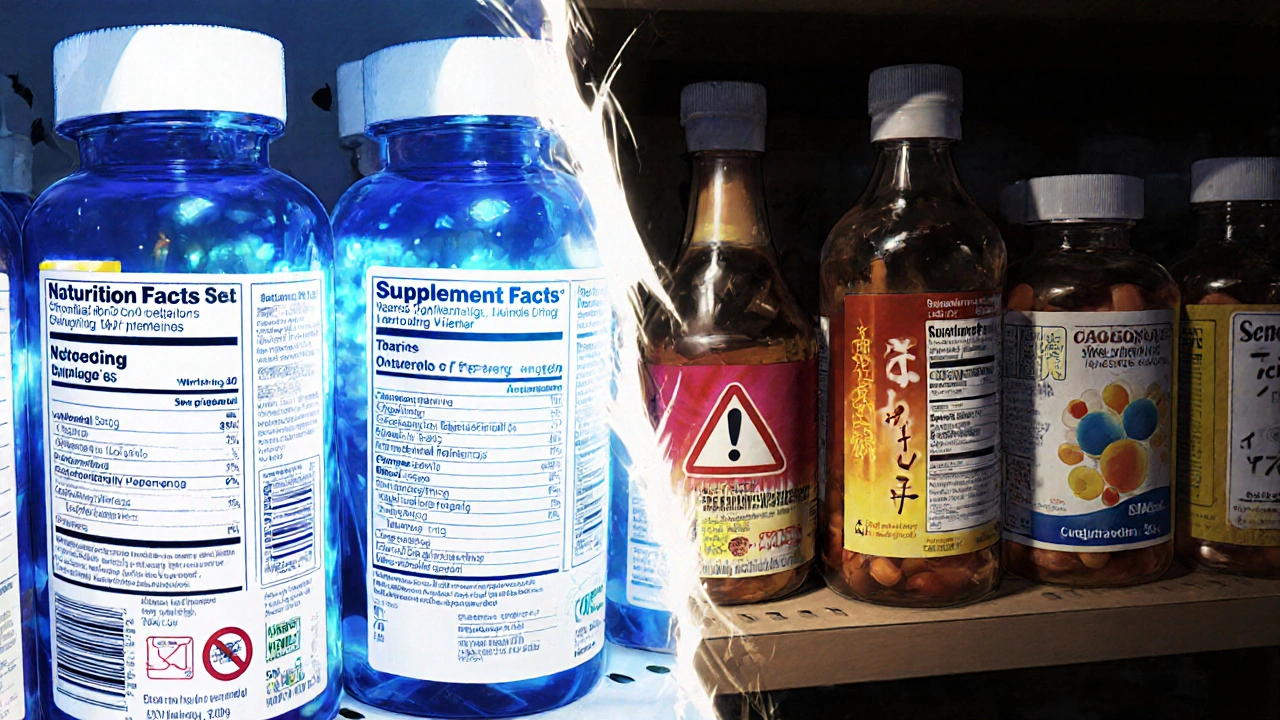
Drug Facts Label: What You Need to Know About Medication Info on the Box
When you pick up a medicine—whether it’s bought over the counter or prescribed by your doctor—you’re holding a drug facts label, a standardized summary of key safety and usage details required by the FDA for all over-the-counter and many prescription medications. Also known as medication labeling, it’s the only place where you’ll find clear info on what the drug does, who it’s for, and what could go wrong if you use it wrong. Most people glance at the name and dose, then toss the box. But that’s where mistakes happen. A wrong combo with another pill, ignoring a warning about alcohol, or doubling up on the same active ingredient can land you in the ER. The drug facts label isn’t filler—it’s your first line of defense.
It’s not just about what’s in the bottle. The active ingredients, the chemicals that actually treat your symptom are listed first, often in bold. That’s where you spot duplicates. For example, if you take a cold pill with acetaminophen and then take a pain reliever with acetaminophen, you’re risking liver damage. The warnings, the red flags that tell you when not to use the drug come right after. These cover allergies, pregnancy risks, interactions with other drugs like blood pressure meds or antidepressants, and even when to avoid driving. And the directions, the step-by-step how-to for safe use aren’t suggestions—they’re instructions. Taking more because you don’t feel better fast enough? That’s how overdoses start.
These labels exist because people get hurt by assumptions. They think "natural" means safe. They assume their doctor knows everything they’re taking. They skip reading because it’s "too small." But the truth is, no one else is watching out for you the way this label does. It’s the only document that cuts through marketing hype and gives you raw facts. Whether you’re managing high blood pressure, treating a headache, or helping a parent with their meds, reading the drug facts label saves lives. Below, you’ll find real-world guides that show you how to decode these labels, spot hidden dangers in combination pills, avoid dangerous herb-drug clashes, and even how to talk to your pharmacist about what’s really on that box. This isn’t theory—it’s what you need to do before you swallow anything.