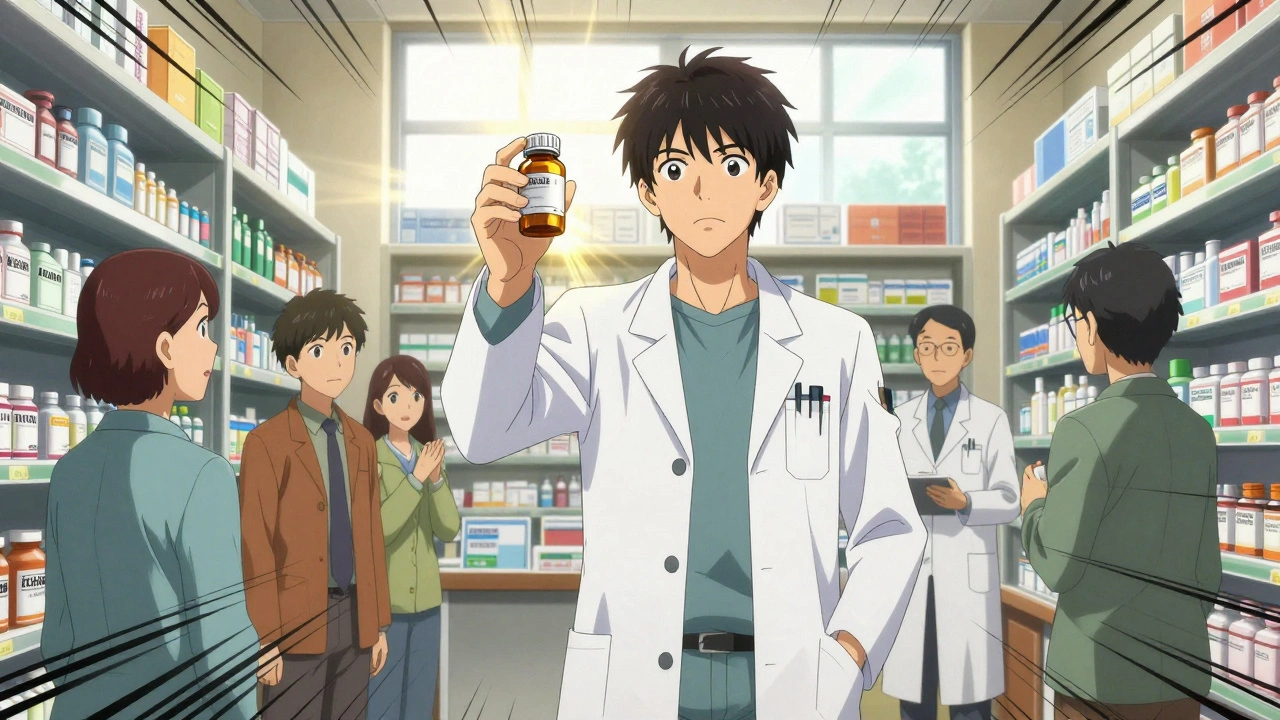
Generic Drug Adoption: Why It Matters and How to Make It Work
When you hear generic drug adoption, the process of patients and providers choosing lower-cost versions of brand-name medications. Also known as generic substitution, it's one of the simplest ways to cut pharmacy bills without sacrificing health outcomes. Yet, despite saving billions every year, many people still avoid generics—worried they’re weaker, less safe, or somehow "second-rate." The truth? FDA-approved generics have the same active ingredients, strength, and effectiveness as their brand-name cousins. They’re not copies—they’re exact matches, tested in labs and real patients to prove they work the same way.
One big reason people don’t trust generics is bioequivalence, the scientific proof that a generic drug behaves the same in the body as the brand version. This isn’t guesswork—it’s strict testing. For example, a generic metformin must release the same amount of medicine into your bloodstream at the same rate as the brand name. If it doesn’t, it gets rejected. The FDA doesn’t allow generics to hit shelves unless they pass these tests. And when it comes to medication adherence, how consistently patients take their drugs as prescribed, cost is the biggest barrier. A study from the CDC found that people who switched to generics were 20% more likely to keep taking their meds long-term—especially for chronic conditions like high blood pressure or diabetes. That’s not a small win. Missing doses because you can’t afford your pills leads to hospital visits, complications, and higher costs down the line.
Still, adoption isn’t just about price. It’s about trust. Many patients don’t know their doctor can suggest a generic, or they’re afraid the pill will look different and somehow stop working. But changing the shape or color of a pill doesn’t change how it works. The active ingredient is the same. What changes is the filler—the stuff that holds the medicine together. And those fillers are regulated too. Even drug costs, the total amount patients pay out-of-pocket for medications drop dramatically after the first generic hits the market. In fact, the first generic approval can slash prices by 80% or more within months. That’s not a rumor—it’s the Hatch-Waxman Act in action, and it’s why millions of Americans can afford their prescriptions today.
What you’ll find in the posts below isn’t theory. It’s real-world guidance: how to talk to your doctor about switching, why some generics get recalled, how age and sex affect how well they work, and what to do if you’re taking five or more pills a day. You’ll see how a simple switch to a generic version of metformin can ease stomach problems, how combining drugs might help—or hurt—and how to make sure your prescriptions don’t expire between refills. This isn’t about pushing generics. It’s about making sure you get the right medicine at the right price, without fear or confusion.