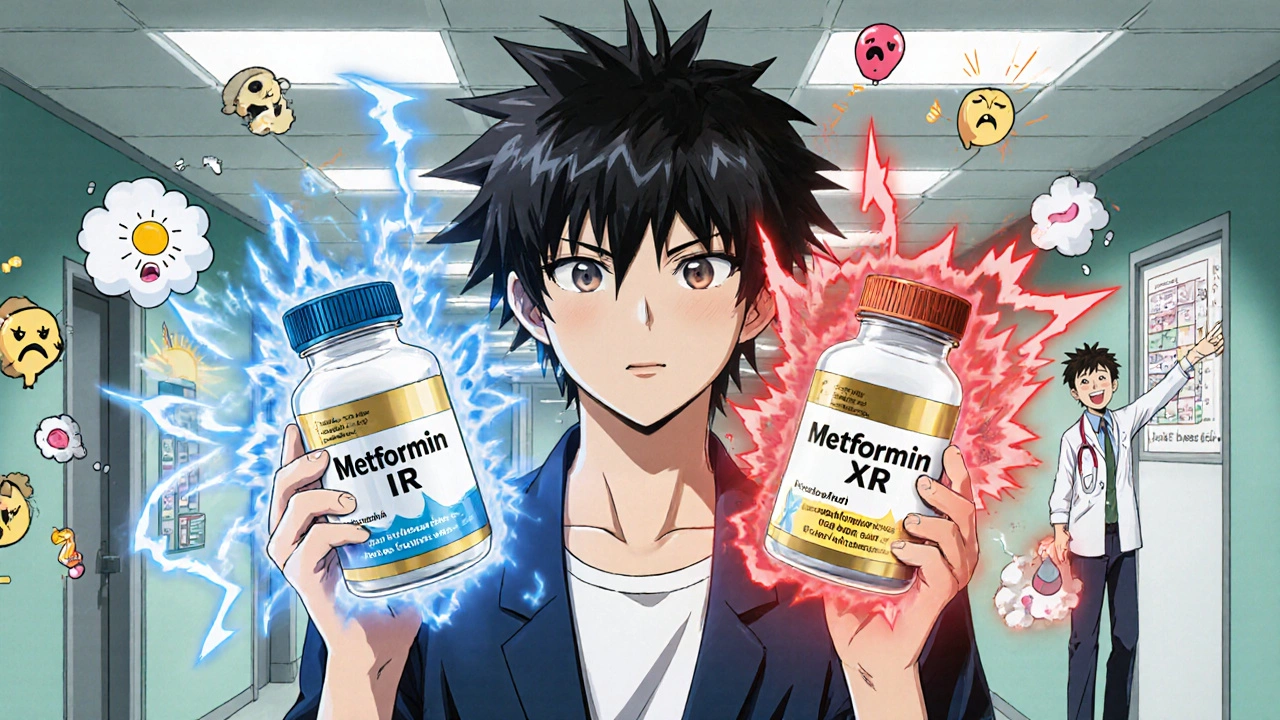
GI Side Effects: What They Are, Why They Happen, and How to Manage Them
When you take a new medication, your body doesn’t always react the way you expect. One of the most common surprises? GI side effects, gastrointestinal reactions like nausea, diarrhea, or stomach cramps caused by medications. Also known as gastrointestinal side effects, these reactions happen because many drugs interact with the lining of your stomach, intestines, or the nerves that control digestion. It’s not just about being "sensitive"—it’s biology. Your gut has millions of receptors, and some medications accidentally trigger them, leading to discomfort that can make you skip doses or quit treatment altogether.
These side effects aren’t random. They show up with antibiotics like cephalexin, a common antibiotic that disrupts gut bacteria, painkillers like NSAIDs, and even weight loss drugs like GLP-1 agonists, medications that slow digestion to reduce appetite, often causing nausea and vomiting. Even supplements like goldenseal, an herbal product that interferes with liver enzymes and can alter how your body processes other drugs can make GI issues worse. The problem isn’t always the drug itself—it’s how it moves through your system. Some medications irritate the stomach lining directly. Others change your gut bacteria, leading to bloating or diarrhea. And some slow down digestion so much that food sits too long, causing cramps or constipation.
You’re not alone if you’ve dealt with this. Studies show over half of people on chronic medications report some kind of digestive upset. But here’s the thing: you don’t have to just live with it. Many GI side effects can be managed—by timing your pills with food, switching to a different formulation, or adjusting your dose. Sometimes, it’s as simple as taking a probiotic after antibiotics. Other times, it means talking to your doctor about alternatives. The posts below cover real cases: why generic drugs sometimes cause different reactions than brand names, how combination pills increase digestive risks, and what to do when your medication makes you feel sick. You’ll find practical advice on reducing discomfort without stopping treatment, how to spot dangerous reactions, and what to ask your pharmacist before you take that next pill. This isn’t about avoiding meds—it’s about taking them smarter.