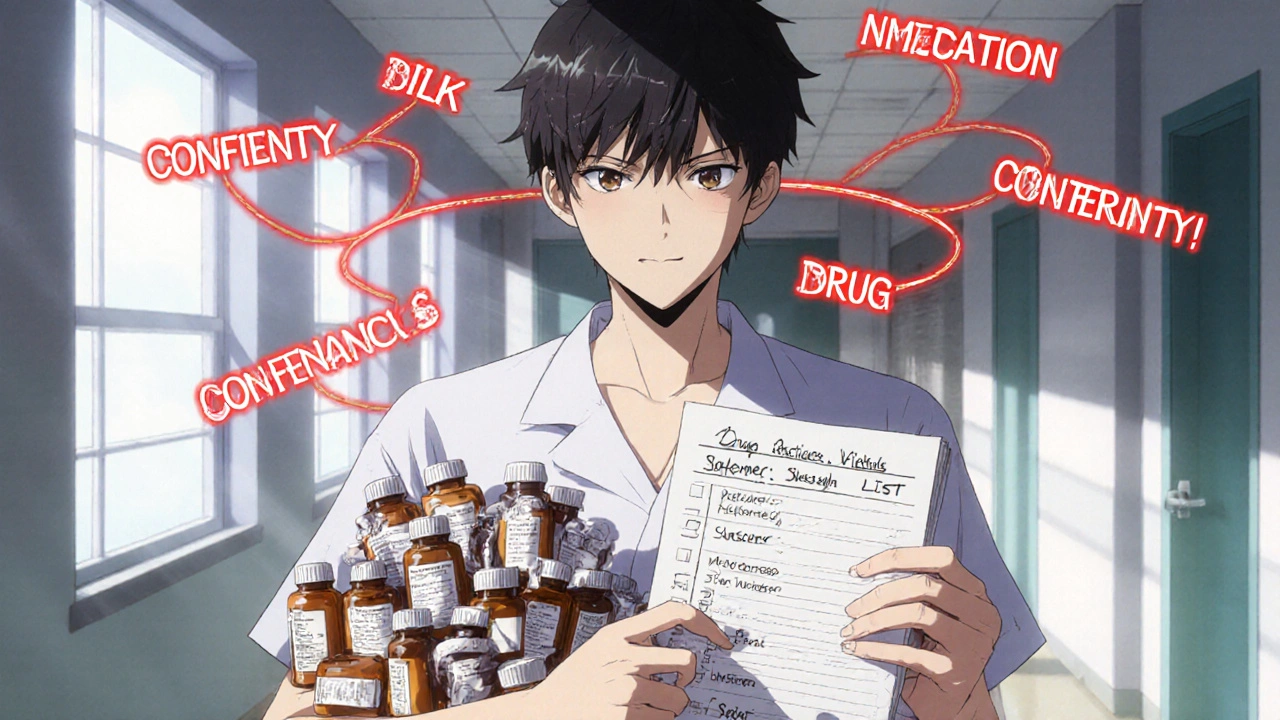
Hospital Discharge Meds: What You Need to Know Before You Leave
When you leave the hospital, the hospital discharge meds, the list of drugs you’re sent home with after a hospital stay. Also known as post-hospital medications, these are meant to help you recover — but they’re also where most mistakes happen. Too many people get home with a new pill, a changed dose, or a drug they’ve never taken before — and no one explains why.
That’s where medication reconciliation, the process of comparing your current meds with what you were prescribed before and after hospitalization comes in. It’s not just paperwork. It’s your safety net. Hospitals are supposed to do this, but they often don’t. You might walk out with five new drugs, three old ones stopped, and no one telling you what changed or why. One study found nearly 70% of patients leave with at least one medication error — and half of those could cause real harm. That’s why you need to be the one asking: Why am I on this now? What was I on before? What side effects should I watch for?
Another key player here is discharge planning, the process hospitals use to prepare you for going home, including meds, follow-ups, and support. But most discharge plans are rushed. Nurses hand you a stack of papers. Pharmacists give you a bag of pills. No one sits down with you. If you’re over 65, have diabetes, heart disease, or take more than five drugs, you’re at higher risk. The system doesn’t catch everything — and that’s on you to fix.
Don’t assume your doctor knows what you got in the hospital. Your primary care provider might not get the full list for days — or weeks. That’s why you need to bring your own list: every pill you took before, every one you got at discharge, and any changes. Write them down. Take a photo. Ask for a printed copy. If you’re confused about a new drug, call your pharmacy. They can tell you what it’s for and what to avoid mixing with it.
And watch out for drug interactions, when two or more medications react in ways that reduce effectiveness or cause dangerous side effects. A new blood pressure pill might clash with your old one. An antibiotic might make your painkiller useless. Or worse — cause bleeding or dizziness. These aren’t rare. They’re common. And they’re often missed because no one checks your full list.
You’re not just a patient leaving the hospital. You’re the manager of your own recovery. The hospital gives you meds — but it’s up to you to understand them, track them, and speak up when something doesn’t feel right. The posts below cover exactly that: how to talk to your doctor about changing meds, how to avoid dangerous interactions, how to sync refills so you never run out, and how to safely dispose of unused pills. These aren’t theory pieces. They’re real tools used by people who’ve been there. Use them. Your next hospital visit might depend on it.