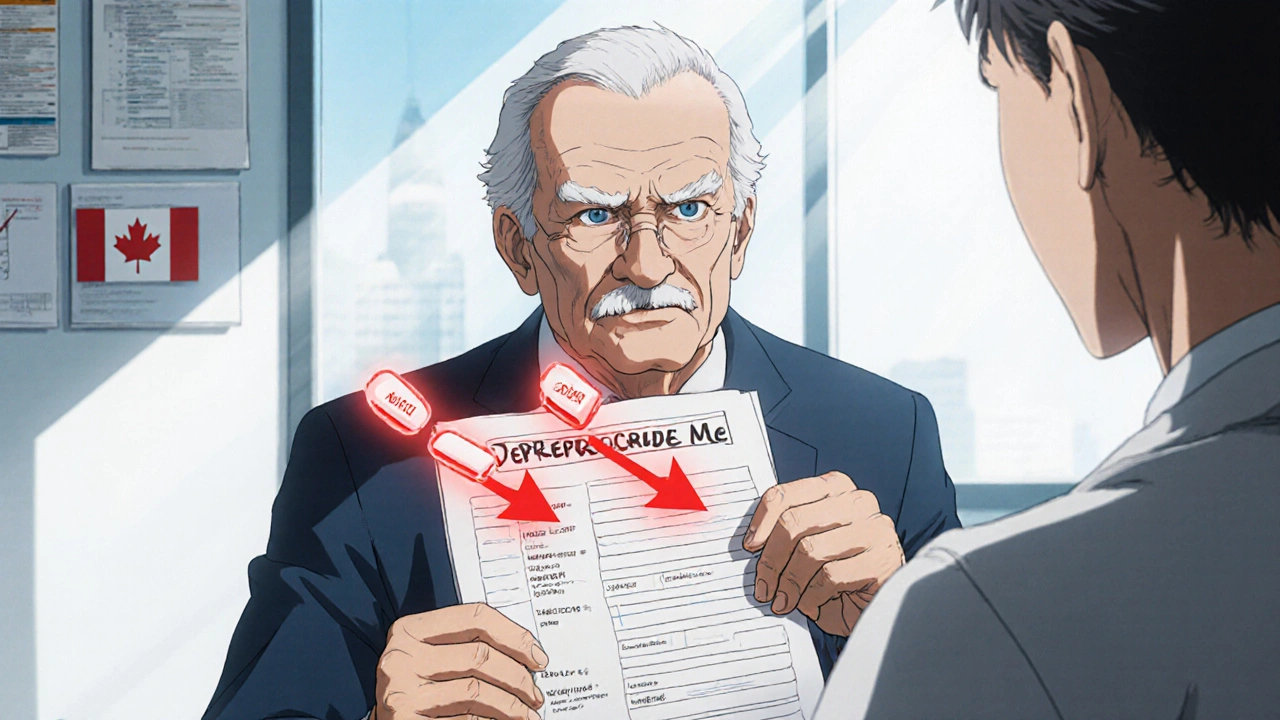
Reduce Medications: Smart Ways to Cut Pill Count Without Risk
When you’re taking reduce medications, the intentional process of lowering the number of drugs you take under medical supervision to improve safety and quality of life. Also known as medication deprescribing, it’s not about stopping pills cold—it’s about working with your doctor to keep only what truly helps. Too many people end up on a cluttered list of drugs because each provider treats one condition without seeing the whole picture. That’s where polypharmacy, the use of five or more medications at once, often leading to increased risk of side effects and interactions becomes a hidden danger. Studies show nearly half of adults over 65 take five or more prescriptions, and that number climbs when you add supplements and OTC drugs. But you don’t have to accept that as normal.
Reducing medications isn’t just about cutting pills—it’s about fixing the root problem. For example, if you’re on a blood pressure drug, a diuretic, and a statin, maybe your diet and movement could cut one or two. Generic medications like generic medications, pharmaceutically identical versions of brand-name drugs that cost up to 80% less and are just as effective make it easier to manage costs, but they don’t solve overmedication. The real fix? Regular reviews. Ask your doctor: "Which of these am I still taking for?" Many drugs are kept on file out of habit, not need. Some people reduce meds by switching from multiple pills to one combo drug. Others stop sleeping pills after fixing sleep hygiene. A few replace an NSAID with physical therapy for joint pain. And yes, some stop antidepressants after months of therapy and lifestyle changes—always under supervision.
Drug interactions are the silent killer here. Goldenseal, for instance, can mess with liver enzymes and make your blood thinner or heart med behave unpredictably. Even something as simple as grapefruit juice can turn a common statin into a risk. That’s why knowing what’s in your medicine cabinet matters more than ever. If you’re taking meds for diabetes, high blood pressure, or arthritis, you’re likely on a list that could be trimmed. The goal isn’t fewer pills for the sake of it—it’s better health with less clutter. You’ll sleep better, feel clearer, and avoid hospital trips caused by side effects you didn’t know were drug-related.
What you’ll find below isn’t theory—it’s real-world guidance from people who’ve done this. You’ll see how others safely reduced their meds using generics, timed refills, and doctor-led plans. You’ll learn which drugs are often unnecessary long-term, how to spot interactions before they hurt you, and what to say to your pharmacist when you’re ready to cut back. This isn’t about going it alone. It’s about getting smarter with what you take—and feeling better because of it.