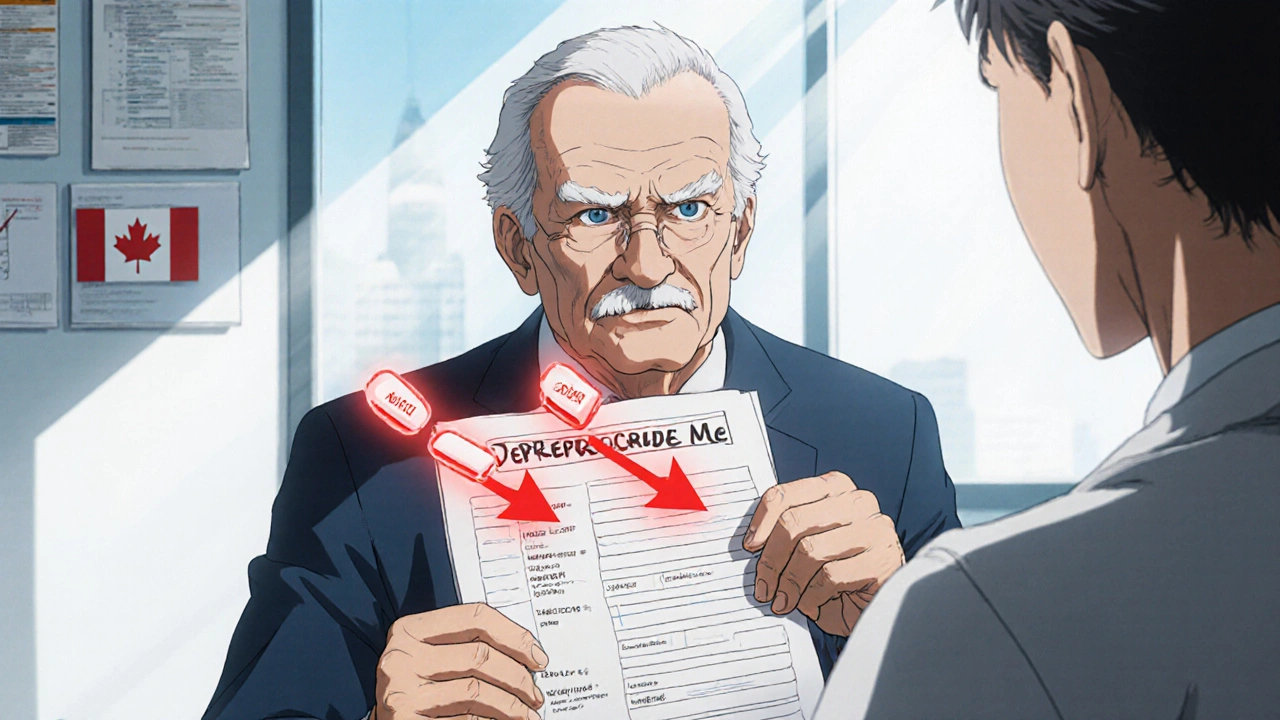
Senior Medications: What You Need to Know About Common Drugs for Older Adults
When you’re over 65, senior medications, prescriptions used by older adults to manage long-term health conditions like high blood pressure, diabetes, or arthritis. Also known as geriatric drugs, they’re often taken daily for years—and sometimes in combinations that can cause unexpected side effects. About 4 in 5 seniors take at least one prescription, and nearly 40% take five or more. That’s not just common—it’s risky if you don’t know how they interact.
Many generic medications, lower-cost versions of brand-name drugs that work the same way but save hundreds or even thousands per year. Also known as off-patent drugs, they’re the backbone of affordable care for seniors. A study from the FDA found generics cut drug spending by $313 billion in just one decade. That’s not a small savings—it’s life-changing for people on fixed incomes. But not all generics are created equal. Some are made overseas, and quality varies. That’s why knowing where to buy them safely matters.
Another big concern is medication interactions, when two or more drugs react in your body and cause harmful side effects. Also known as drug-drug interactions, they’re one of the top causes of hospital visits in older adults. Think of it like mixing chemicals in a lab—you don’t know what will happen until you try. Goldenseal, for example, can interfere with liver enzymes that break down blood pressure meds. Even something as simple as grapefruit juice can make a cholesterol drug too strong. And if you’re taking something for heart rhythm, like Diltiazem, or a beta blocker like Labetalol, mixing it with another drug could slow your heart too much.
Managing all this isn’t about memorizing every pill. It’s about systems. Medication synchronization—getting all your refills on the same day each month—cuts down on missed doses and pharmacy trips. And knowing how to dispose of needles safely, especially if you’re on insulin or other injectables, keeps your home and community protected. You don’t need to be a pharmacist to stay safe. You just need to know what questions to ask.
What you’ll find here isn’t theory. It’s real talk from people who’ve been there: how to compare heart meds like Diltiazem and Verapamil, why some seniors save $20,000 over a lifetime by switching to generics, how to spot dangerous herbal interactions, and what to do when your doctor prescribes something new. No fluff. No jargon. Just clear, practical advice that helps you take control of your meds—without feeling overwhelmed.