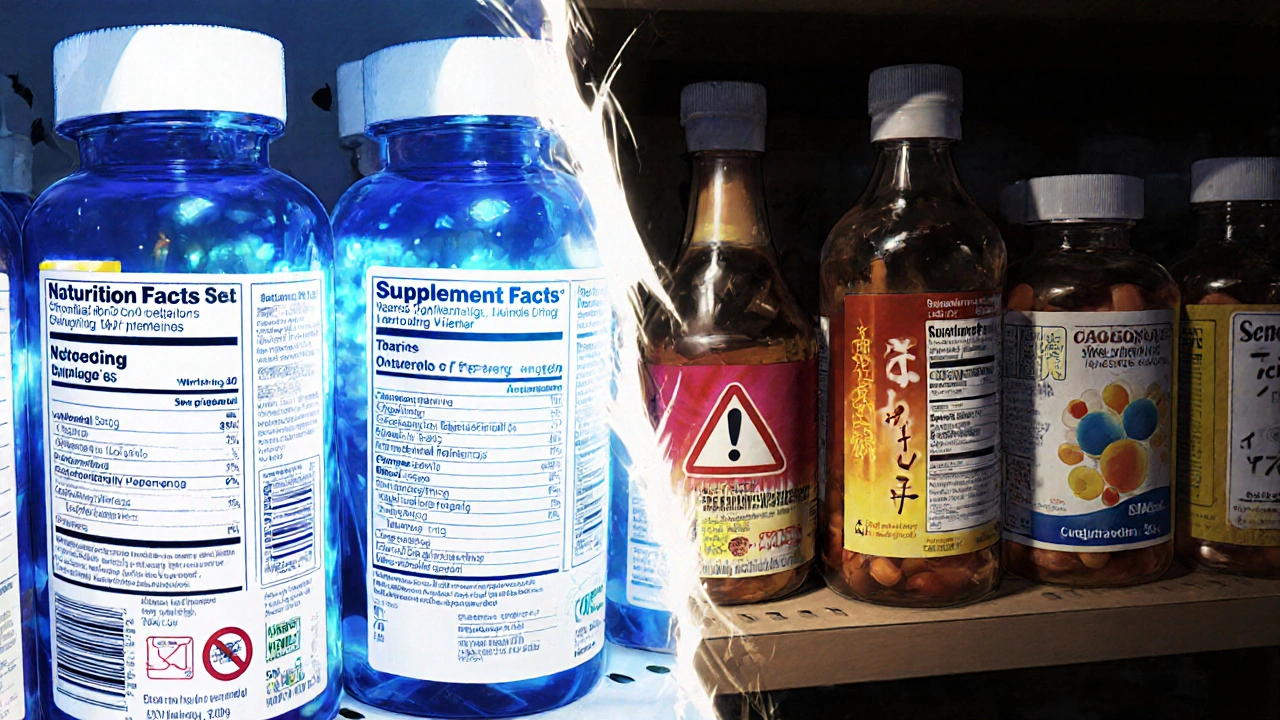
Supplement Facts: What You Need to Know Before You Buy
When you pick up a bottle of vitamins or protein powder, the supplement facts, a standardized label that lists ingredients, dosages, and serving information for dietary supplements. Also known as Nutrition Facts panel for supplements, it's the only official source of truth about what you're putting in your body. Unlike food, supplements don’t need FDA approval before they hit shelves. That means the label is your first and last line of defense.
Look closely at the serving size, the amount of the product considered one dose, often much smaller than what people actually take. Many brands stretch their claims by using tiny serving sizes—like two pills—so the %Daily Value looks impressive. But if you take four pills, you’re doubling the dose, and maybe hitting unsafe levels of vitamins or stimulants. Then there’s the ingredient list, the section that reveals what’s actually in the product, including fillers, proprietary blends, and hidden stimulants. Proprietary blends are a red flag. They hide how much of each ingredient is in there, making it impossible to know if you’re getting enough to work—or too much to be safe.
Some supplements contain unapproved drugs—like weight loss pills with hidden antidepressants or sexual enhancement products with banned ED compounds. The FDA pulls these off shelves after the fact, but not before people get sick. That’s why you need to check for third-party testing seals like USP, NSF, or ConsumerLab. These groups test for purity, potency, and contamination. They don’t guarantee the product works, but they do confirm it doesn’t contain poison.
You’ll also notice that many supplement facts lists include vitamins and minerals at levels far above the Daily Value. That’s not always better. Too much vitamin A can damage your liver. Excess iron is dangerous for men and postmenopausal women. And some herbs, like goldenseal or kava, interfere with liver enzymes and can turn your prescription meds into toxins. The supplement industry thrives on hope, not science. But the facts on the label? Those are real.
What you’ll find in the posts below isn’t marketing fluff. It’s real-world breakdowns of how supplements interact with medications, how labels can mislead, and which ones actually deliver results. From how herbal extracts affect your liver to why some ‘natural’ products contain synthetic drugs, these guides cut through the noise. You won’t find vague advice here—just clear, practical checks you can use before your next purchase.