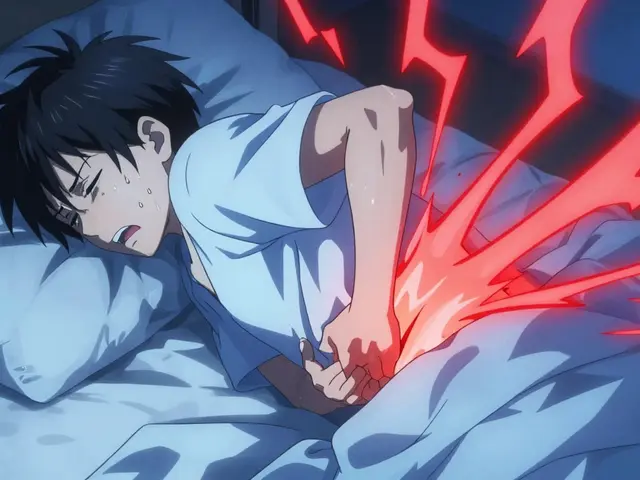
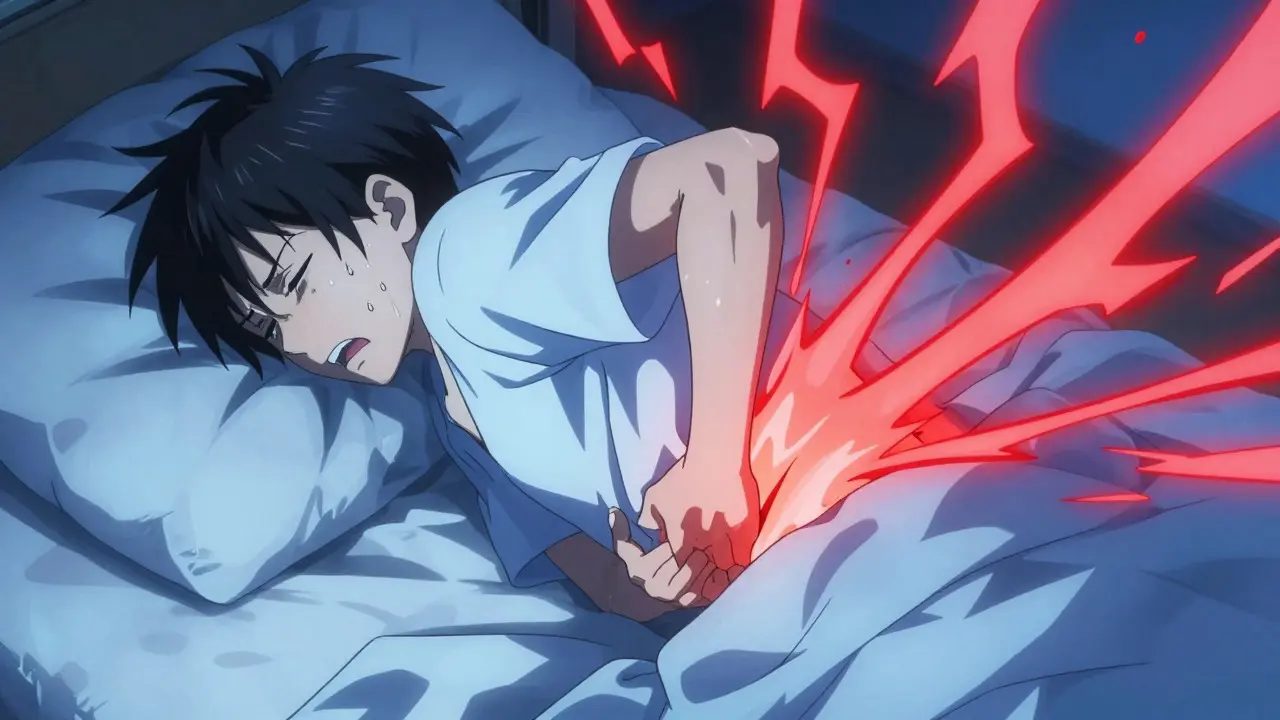
Waking up at 4 AM with a stiff, aching lower back that feels like it’s made of concrete is not just "bad luck" or "getting old." For millions of people, this specific pattern of pain-worse after rest and better with movement-is the hallmark of Ankylosing Spondylitis, commonly known as AS. It is a chronic inflammatory disease that targets the spine and sacroiliac joints, potentially leading to severe structural damage if left unmanaged.
Unlike typical mechanical back pain, which improves when you lie down, AS pain often worsens during inactivity. This counterintuitive symptom is your body’s signal that inflammation is active at the entheses-the points where ligaments and tendons attach to bone. Without proper intervention, this inflammation can cause new bone growth (syndesmophytes) that eventually fuses the vertebrae together, a condition historically called "bamboo spine." The goal isn’t just pain relief; it’s preserving your range of motion for decades to come.
Understanding the Mechanics of Spine Inflammation
To manage Ankylosing Spondylitis effectively, you first need to understand what is happening inside your body. AS is part of a group of conditions known as spondyloarthritis (SpA). It is an autoimmune disorder where the immune system mistakenly attacks healthy tissue in the spine and pelvis.
The primary driver of this process is genetic susceptibility combined with environmental triggers. The most significant genetic marker is HLA-B27. Approximately 88-96% of Caucasian patients with AS carry this gene, compared to only 6-8% of the general population. However, having the gene doesn’t guarantee you’ll get the disease, and lacking it doesn’t rule it out entirely. Ethnicity plays a role here too, with prevalence rates varying significantly across different populations.
The inflammation specifically targets the sacroiliac joints (where the spine meets the pelvis) and the spinal column. Over time, this chronic irritation leads to:
- Sacroiliitis: Inflammation of the sacroiliac joints, visible on X-rays in 90% of patients within 10 years of onset.
- Syndesmophytes: Bony growths that form between vertebrae, bridging them together.
- Ankylosis: Complete fusion of the spine, occurring in 30-40% of untreated or poorly managed cases over 10-20 years.
Recognizing these mechanisms helps explain why standard painkillers often fall short. You aren’t just treating a muscle strain; you are managing a systemic inflammatory response that requires targeted strategies.
Identifying the Signs: Is It Mechanical or Inflammatory?
One of the biggest hurdles in dealing with AS is the delay in diagnosis. Studies show that patients wait an average of 3 to 5 years before receiving an accurate diagnosis, often seeing multiple physicians along the way. Many are initially misdiagnosed with mechanical back pain or even depression due to fatigue.
You can distinguish inflammatory back pain from mechanical issues by looking at specific patterns. If you experience the following, it’s time to consult a rheumatologist:
- Age of Onset: Symptoms typically begin before age 45, with 80% of cases developing between ages 17 and 45.
- Insidious Onset: The pain creeps in gradually rather than starting after a specific injury.
- Morning Stiffness: Stiffness lasting more than 30 minutes upon waking.
- Improvement with Exercise: Movement makes you feel better, while rest makes you feel worse.
- Night Pain: Pain that wakes you up in the second half of the night (often between 3 AM and 6 AM).
If four or five of these criteria apply to you, the likelihood of AS is high. Early diagnosis is critical because it allows for the implementation of disease-modifying therapies before irreversible structural damage occurs.

Pharmacological Interventions: Beyond Pain Relief
Medication is the cornerstone of controlling the underlying inflammation in Ankylosing Spondylitis. The approach has evolved significantly in recent years, moving from simple symptom management to preventing radiographic progression.
First-Line Therapy: NSAIDs
Non-steroidal anti-inflammatory drugs (NSAIDs) like naproxen or ibuprofen are the initial go-to. According to Dr. Atul Deodhar from Oregon Health & Science University, early and consistent use of NSAIDs can reduce radiographic progression by 50% over two years compared to symptomatic treatment alone. They don’t just mask pain; they actively slow down the inflammatory process driving the bone changes.
Biologic Therapies
If NSAIDs fail to control symptoms, TNF inhibitors (such as adalimumab or etanercept) are the next step. These biologics block tumor necrosis factor, a protein involved in inflammation. Clinical trials show that 40-60% of patients achieve a 40% improvement in symptoms (ASAS40 response) within 12 weeks. More recently, IL-17 inhibitors like secukinumab have shown promise in reducing radiographic progression by 55% over two years.
Small Molecule Inhibitors
In 2023, the FDA approved upadacitinib (Rinvoq), a JAK inhibitor, for active AS. This oral medication offers an alternative for those who may not respond to injectable biologics, demonstrating a 45% ASAS40 response rate in clinical trials. While effective, these treatments come with higher costs and potential infection risks, requiring careful monitoring by your healthcare provider.
Mobility Strategies: Exercise as Medicine
While medication controls the fire, exercise rebuilds the structure. Physical therapy is not optional for AS patients; it is equally important as pharmacological treatment. Research indicates that structured exercise programs can improve spinal mobility by 25-30% over six months.
The key is consistency and specificity. Generic "back exercises" often miss the mark. You need a program tailored to axial arthritis.
Core Components of an AS Exercise Routine
- Deep Breathing Exercises: As the spine stiffens, chest expansion decreases. Practice deep diaphragmatic breathing daily to maintain rib cage mobility and lung capacity. Aim for 5-10 minutes twice a day.
- Spinal Extension: Since AS tends to pull the spine forward into a stooped posture, extension exercises are vital. Perform gentle backbends or prone press-ups to counteract flexion deformities.
- Aquatic Therapy: Water provides buoyancy, reducing stress on inflamed joints while allowing for full range of motion. Swimming or water aerobics for 45 minutes daily has been reported by patients to reduce morning stiffness from 90 minutes to just 20 minutes within three months.
- Postural Training: Learn to sit and stand tall. Use ergonomic supports, such as lumbar cushions, and sleep on a firm mattress to prevent spinal curvature during rest.
Start small. Morning stiffness can make getting out of bed difficult. Try performing gentle movements in bed before rising. Heat therapy for 20 minutes prior to exercise can also help loosen tight muscles and joints.

Living with AS: Managing Daily Life and Extra-Articular Issues
Ankylosing Spondylitis doesn’t stay confined to the spine. It is a systemic disease with extra-articular manifestations that affect other parts of the body. Being aware of these connections is crucial for comprehensive care.
| Condition | Prevalence in AS Patients | Key Symptoms |
|---|---|---|
| Acute Anterior Uveitis | 25-35% | Eye pain, redness, light sensitivity, blurred vision |
| Inflammatory Bowel Disease (IBD) | Up to 50% | Abdominal pain, diarrhea, weight loss |
| Psoriasis | Approximately 10% | Scaly patches of skin, joint swelling |
| Fatigue | 74% report as most challenging | Persistent tiredness, impact on work productivity |
Fatigue is often underestimated. Nearly three-quarters of patients cite it as their most debilitating symptom, impacting work and social life. Addressing inflammation through medication and maintaining regular sleep hygiene can help, but pacing yourself is essential.
Workplace accommodations are also a reality for many. With 42% of patients requiring adjustments, discussing flexible hours or ergonomic setups with your employer can make a significant difference in maintaining career longevity.
Future Directions and Long-Term Outlook
The landscape of AS treatment is evolving rapidly. The global market for spondyloarthritis treatments is projected to reach $22.6 billion by 2028, reflecting increased access to advanced therapies. Digital health solutions are emerging to help with adherence, with apps tracking exercise routines and symptom flares showing a 30% annual growth rate.
Long-term studies offer hope. With current treatment approaches, 75% of AS patients maintain functional independence at 20 years post-diagnosis, a significant improvement from historical data. While existing structural damage is irreversible, preventing new damage is highly achievable with modern care.
Stay informed about clinical trials. Networks like SPARTAN are conducting large-scale studies to determine optimal exercise intensities and drug combinations. Participating in these trials can provide access to cutting-edge therapies and contribute to broader medical knowledge.
How long does it take to get diagnosed with Ankylosing Spondylitis?
On average, it takes 3 to 5 years from the onset of symptoms to receive an accurate diagnosis. This delay is often due to the non-specific nature of early symptoms and the lack of definitive diagnostic markers, requiring a combination of clinical evaluation, imaging (MRI/X-ray), and genetic testing.
Can Ankylosing Spondylitis be cured?
There is currently no cure for Ankylosing Spondylitis. However, it can be effectively managed. Early intervention with medications and physical therapy can halt disease progression, prevent spinal fusion, and allow patients to lead normal, active lives.
What is the best exercise for Ankylosing Spondylitis?
The best exercises are those that promote spinal extension and flexibility. Aquatic therapy, yoga tailored for AS, and daily stretching routines focusing on the chest and back are highly recommended. Consistency is key; aim for 30-45 minutes of activity daily.
Does HLA-B27 mean I will definitely get AS?
No. While HLA-B27 is strongly associated with AS, many people carry the gene without ever developing the disease. Conversely, some AS patients test negative for HLA-B27. Diagnosis relies on a combination of genetic, clinical, and imaging factors.
How does AS differ from Rheumatoid Arthritis?
AS primarily affects the spine and sacroiliac joints (axial skeleton) and is seronegative (lacks rheumatoid factor). Rheumatoid Arthritis typically affects peripheral joints (hands, feet) symmetrically and is seropositive in most cases. AS pain improves with movement, while RA pain often improves with rest.