Protein-Medication Timing Simulator
Scenario Settings
Absorption Analysis
Physiological Timeline
Have you ever taken your morning pill with a hearty breakfast of eggs and toast, only to feel like it didn't work? You weren't imagining things. For many people, the protein in that meal actively blocked the medicine from doing its job. It’s not just about stomach fullness; it’s about chemistry. Specifically, how amino acids-the building blocks of protein-compete with drugs for entry into your bloodstream and brain.
This isn't a minor side note in your prescription leaflet. It is a critical factor that determines whether a medication works or fails. Recent data from the U.S. Food and Drug Administration (FDA) shows that nearly half of all oral drugs are affected by food, with protein being the most disruptive variable for a significant portion of them. If you take certain medications, especially those affecting the nervous system, ignoring this interaction can mean the difference between living well and struggling daily.
The Science Behind the Blockade
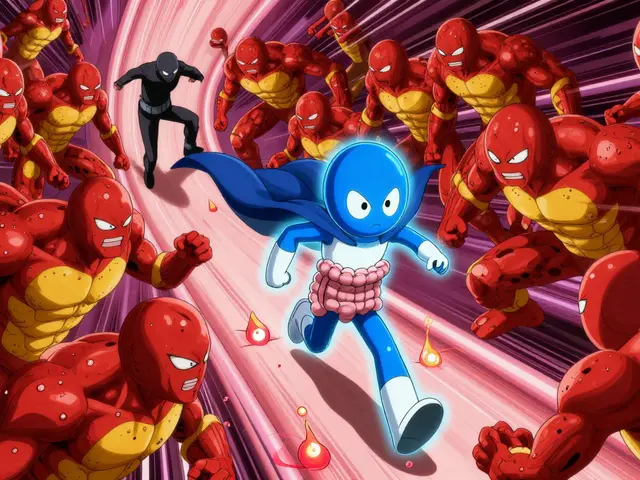
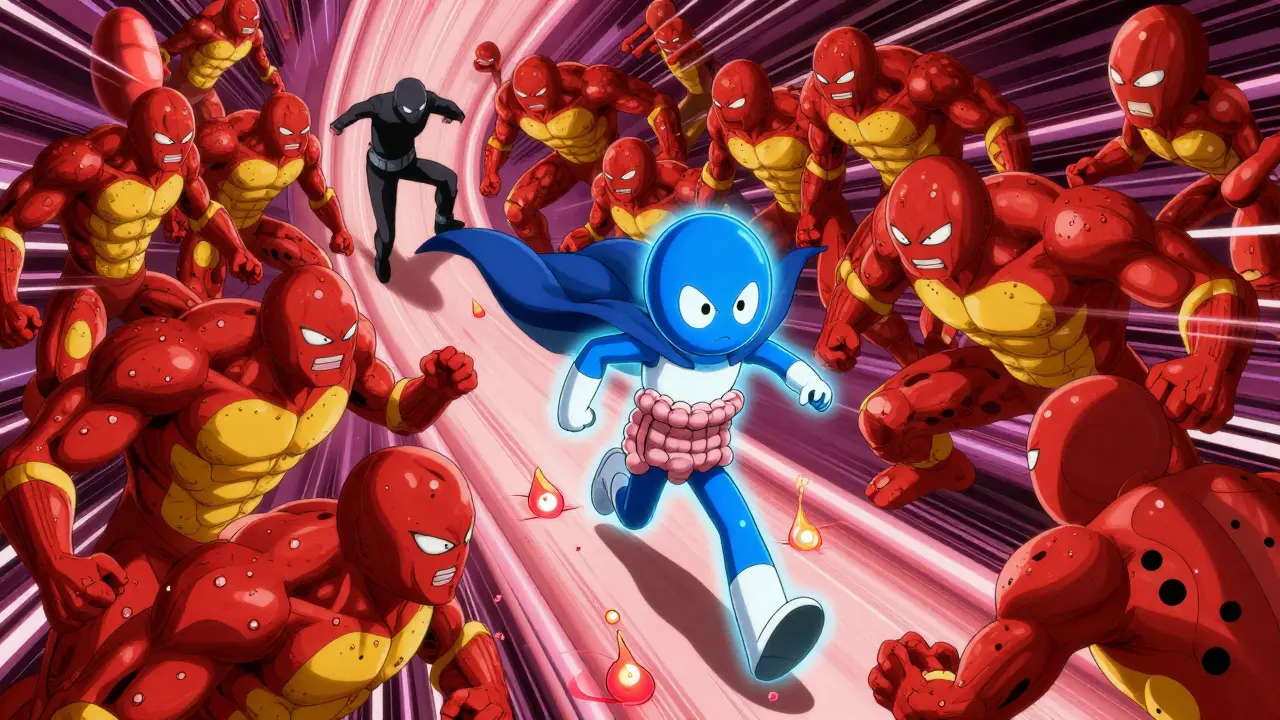
To understand why protein interferes with medication, we have to look at how your body transports substances. Imagine your intestines and your blood-brain barrier as crowded airports. Drugs need security passes to get through. Protein-rich foods flood these checkpoints with amino acids, which hold identical passes. When you eat a high-protein meal, these amino acids crowd out the medication, preventing it from crossing over.
This mechanism is particularly well-documented with levodopa, a primary treatment for Parkinson's disease. Research indicates that high-protein meals can reduce levodopa absorption by 30-50% in about 60% of patients. The competition happens because both levodopa and large neutral amino acids use the same transporters, known as LNAATs. Within 30 minutes of eating protein, circulating amino acid levels spike by 200-300%, effectively shutting the door on the drug.
However, protein doesn't just block drugs. It also changes the environment in your gut. High-protein meals delay gastric emptying by 45-60 minutes compared to low-protein options. This means the drug sits in your stomach longer before reaching the small intestine where absorption primarily occurs. While this delays the onset of action for some drugs, it can enhance the absorption of others by increasing intestinal blood flow. The result is a complex mix of delayed timing and reduced effectiveness, depending entirely on the specific drug class you are taking.
Which Medications Are Most Affected?
Not every pill reacts to protein. The Biopharmaceutics Classification System (BCS) helps categorize drugs based on their solubility and permeability. Generally, drugs that rely on specific transporter proteins are the most vulnerable. Here is a breakdown of the key players:
| Medication Class | Example Drugs | Effect of High-Protein Meal | Clinical Significance |
|---|---|---|---|
| Dopamine Precursors | Levodopa (Sinemet) | Absorption reduced by 30-50% | High: Can cause sudden loss of motor control |
| Certain Antibiotics | Penicillins, Tetracyclines | Absorption reduced by 15-20% | Moderate: May prolong infection recovery |
| Antiepileptics | Some seizure meds | Variable competitive inhibition | High: Risk of breakthrough seizures |
| BCS Class I Drugs | Many common painkillers | Minimal effect | Low: Safe to take with food |
Levodopa remains the poster child for this interaction. Because it must cross the blood-brain barrier to work, it is highly sensitive to the amino acid traffic jam created by dietary protein. Other drugs, like certain antibiotics, may see a smaller dip in absorption, but for conditions requiring precise therapeutic levels, even a 15% drop can be problematic. Always check if your medication falls into the 'transporter-mediated' category, as these are the ones most likely to fight with your dinner.
The Protein Redistribution Strategy
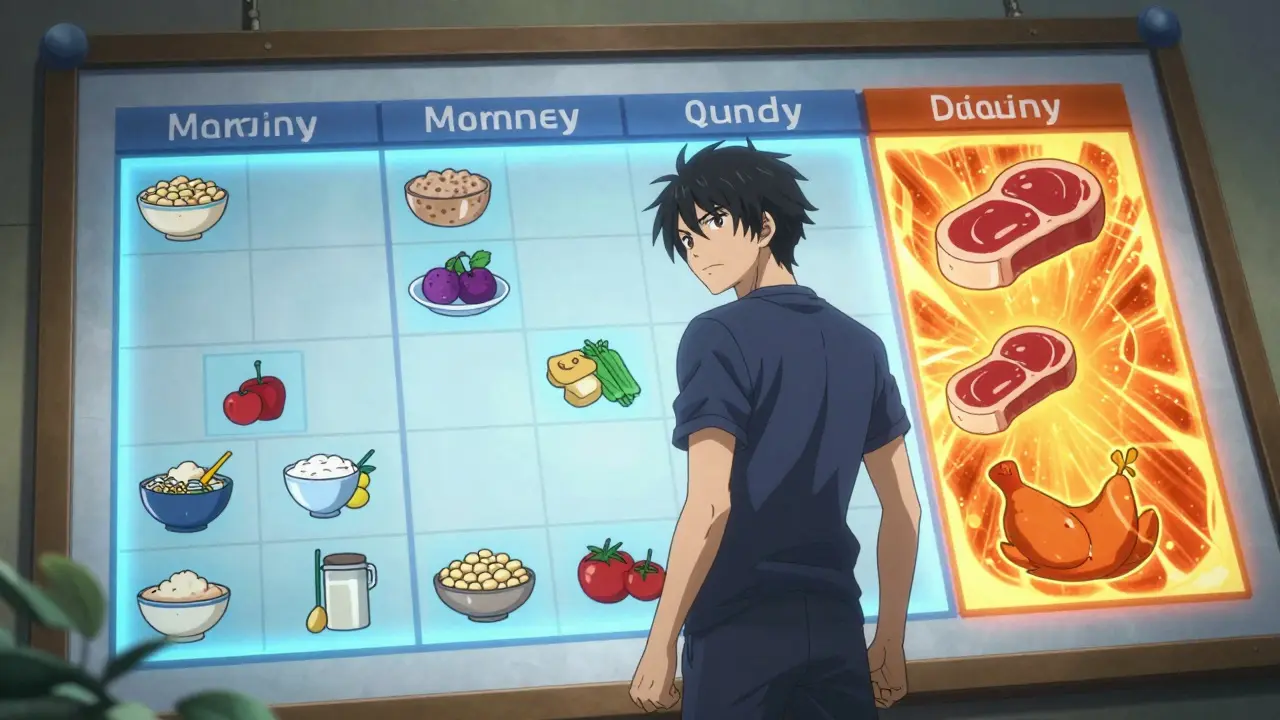
If you cannot stop eating protein-and you shouldn't, as muscle maintenance is vital-you can change when you eat it. This approach, known as the protein redistribution diet, has emerged as a standard clinical recommendation for managing these interactions. Instead of spreading protein evenly across three meals, you shift the majority of your daily intake to the evening.
Here is how it typically works in practice:
- Breakfast and Lunch: Keep protein very low. Aim for less than 15 grams per meal. Focus on carbohydrates and fats instead. Think oatmeal, fruit, pasta, or vegetables. These foods do not compete with drug transporters.
- Dinner: Consume 70% of your daily protein here. Since most people are less active in the evening and sleep through the night, the reduced medication efficacy during this time is less impactful on daily function.
- Snacks: Choose low-protein options like crackers or fresh fruit if you need something between meals.
Clinical trials funded by the Michael J. Fox Foundation have shown that this strategy can improve 'on' time-periods when medication is working effectively-by up to 2.5 hours daily. One patient shared on a support forum that after switching to this model, his uncontrolled tremor time dropped from over five hours to just two. It’s a simple logistical shift that yields profound physiological results.
Timing Is Everything
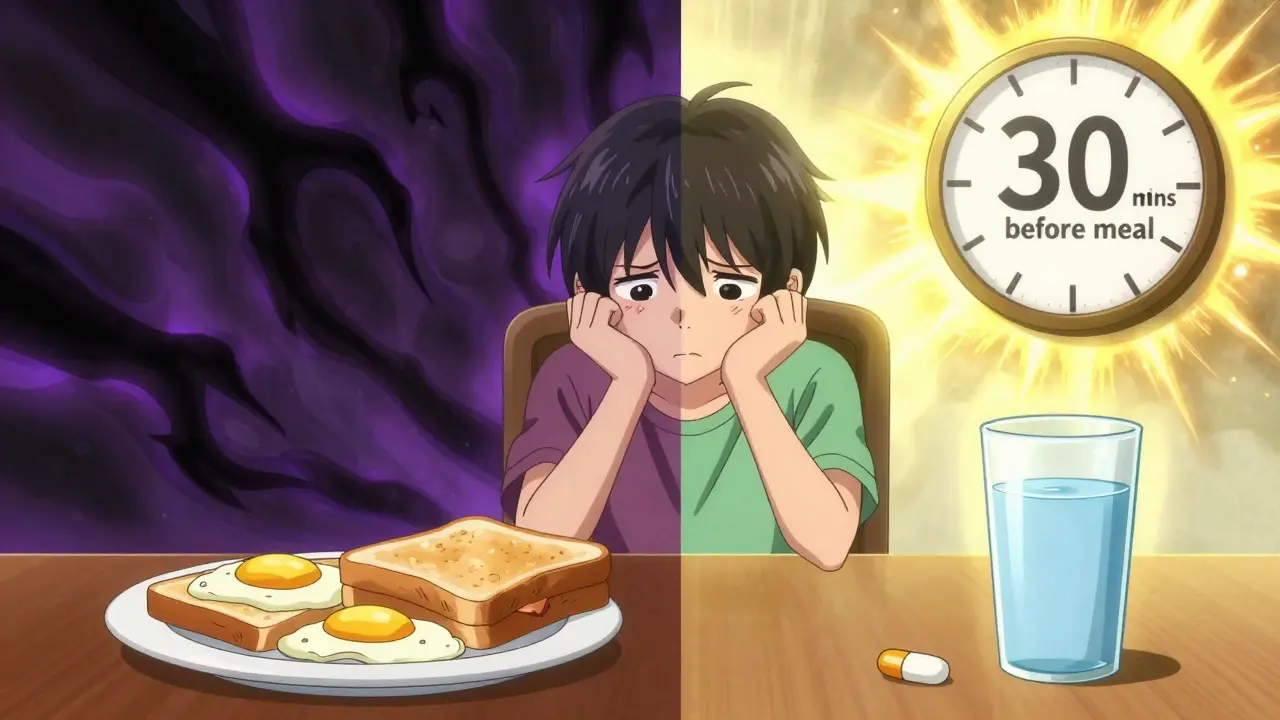
Even with redistribution, timing matters. The American Academy of Neurology recommends taking levodopa 30 to 60 minutes before any meal containing more than 15 grams of protein. This creates a window where the drug can pass through the gut and enter the bloodstream without significant competition from amino acids.
If you experience nausea, which is a common side effect of taking these drugs on an empty stomach, don't reach for a protein shake. Instead, opt for a low-protein snack like plain oatmeal or a banana. Registered dietitians often spend several sessions teaching patients how to navigate this balance, emphasizing that consistency is key. Taking your pill 10 minutes early one day and 40 minutes early the next can lead to unpredictable symptom swings.
Technology is also stepping in to help. Apps like 'ProteinTracker for PD' allow users to log meals and medication times, reducing errors by helping them visualize the gap between ingestion and dosing. For those who struggle with mental tracking, these digital tools provide a necessary safety net.
Risks of Low-Protein Diets
It is tempting to think that simply eating less protein is the solution. However, strict low-protein diets carry serious risks. The Journal of Parkinson's Disease reported that 23% of patients on very strict low-protein regimens developed muscle wasting within 18 months. Muscle mass is crucial for mobility and fall prevention, so sacrificing it for better drug absorption is a dangerous trade-off.
Instead of cutting total protein, focus on quality and timing. Ensure you are meeting the recommended 0.8-1.0g of protein per kilogram of body weight, but concentrate that intake during the evening. This preserves muscle health while maximizing daytime medication effectiveness. If you find yourself losing weight or strength, consult a specialist immediately. Alternatives like Duopa, an intestinal gel that bypasses the stomach, are available for those who cannot manage dietary adjustments alone.
Navigating Social Dining and Processed Foods
One of the biggest hurdles patients face is dining out. Hidden protein is everywhere. A 'healthy' granola bar might contain 7 grams of protein. A salad dressing could have added cheese or nuts. In surveys, 63% of patients cited social eating as a major challenge. To manage this, always ask about ingredients or bring your own low-protein snacks when attending events.
Read labels carefully. Many processed foods add whey, casein, or soy protein for texture, even if they aren't marketed as protein bars. Being vigilant about these hidden sources ensures that your morning medication isn't sabotaged by a seemingly innocent mid-morning snack. Communication with family and friends is also essential; explain that your meal timing is medical, not picky, so they can support your schedule rather than disrupt it.
Future Directions in Personalized Medicine
The landscape of drug-food interactions is evolving. The FDA has proposed standardized 'Protein Interaction Score' labels for medications, similar to alcohol warnings, to make this information more accessible to consumers. Meanwhile, research into gut microbiome modifications suggests that certain probiotics might reduce protein competition for drug transporters by up to 25%. Though still in early stages, this offers hope for a future where diet plays a smaller role in medication efficacy.
For now, however, proactive management is your best tool. By understanding how protein interacts with your specific medications, you can take control of your health outcomes. Whether through redistribution, precise timing, or new technologies, the goal is clear: ensure your medicine works as intended, every single day.
How long before a meal should I take my medication?
For medications sensitive to protein, such as levodopa, it is generally recommended to take them 30 to 60 minutes before a meal. This allows the drug to be absorbed into the bloodstream before amino acids from the food begin to compete for transport channels. If the meal contains less than 15 grams of protein, the timing is less critical, but consistency remains important.
Can I take my medication with a glass of milk?
Milk contains protein (casein and whey), so it can interfere with certain medications. If you are taking a drug that competes with amino acid transporters, drinking milk with your pill may reduce its effectiveness. It is safer to take such medications with water and wait until after the absorption window has passed before consuming dairy.
What is the protein redistribution diet?
The protein redistribution diet involves shifting the majority of your daily protein intake to the evening meal. By keeping breakfast and lunch low in protein (under 15g each), you minimize competition for drug absorption during the day when you are most active. Dinner then provides the bulk of your protein needs, supporting muscle health without interfering with daytime medication efficacy.
Does fat affect medication absorption like protein does?
Fat affects absorption differently than protein. High-fat meals typically delay gastric emptying, which slows down the rate at which a drug enters the bloodstream but may not reduce the total amount absorbed. Protein, however, actively competes with certain drugs for transport mechanisms, potentially reducing both the speed and the extent of absorption. Both macronutrients require consideration, but protein poses a unique competitive risk.
Are there supplements that can help with medication absorption?
Currently, there are no widely approved supplements that directly counteract protein-drug interactions. However, emerging research suggests that specific probiotics might alter gut microbiota in ways that reduce competition for transporters. Until these treatments become mainstream, dietary management and precise timing remain the most effective strategies for ensuring optimal medication absorption.