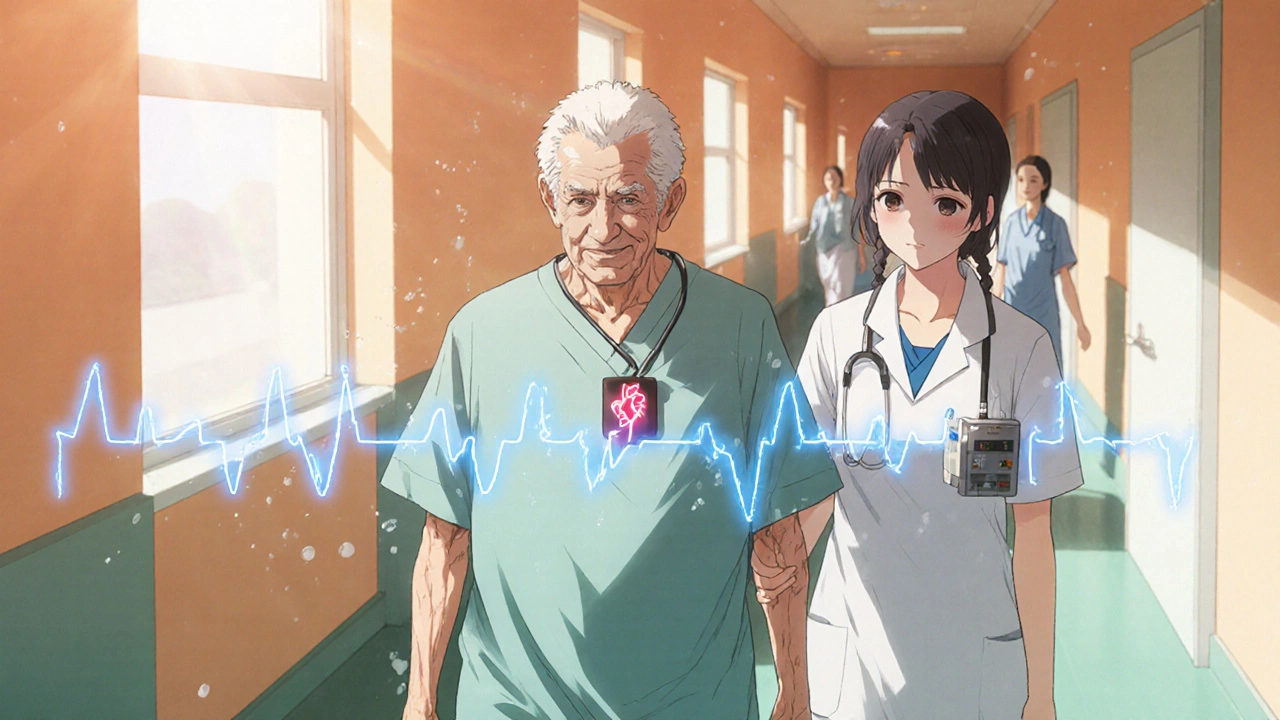
Cardiac Exercise Program: Safe Workouts for Heart Health
When your heart needs extra care, a cardiac exercise program, a structured, medically supervised plan to rebuild heart strength through controlled physical activity. Also known as cardiac rehabilitation, it’s not just for people recovering from a heart attack—it’s for anyone with heart disease, heart failure, or after bypass surgery or stent placement. This isn’t about running marathons or lifting heavy weights. It’s about moving safely, steadily, and consistently to help your heart heal and grow stronger without overloading it.
A good cardiac exercise program, a structured, medically supervised plan to rebuild heart strength through controlled physical activity. Also known as cardiac rehabilitation, it’s not just for people recovering from a heart attack—it’s for anyone with heart disease, heart failure, or after bypass surgery or stent placement. This isn’t about running marathons or lifting heavy weights. It’s about moving safely, steadily, and consistently to help your heart heal and grow stronger without overloading it.
Most programs start with walking—just 5 to 10 minutes a day, slowly. Then, over weeks, you build up to 30 minutes most days. You might add light cycling, seated arm exercises, or gentle stretching. Your doctor or rehab specialist will set your heart rate limits so you don’t push too hard. Many people think they need to feel out of breath to get results, but with heart recovery, that’s dangerous. You should be able to talk while exercising. If you’re gasping, you’re going too fast.
These programs don’t just focus on movement. They teach you how to recognize warning signs—like chest pain, dizziness, or unusual shortness of breath—and when to stop. They also help you manage medications, understand your diet, and reduce stress. All of these pieces work together. A cardiac exercise program, a structured, medically supervised plan to rebuild heart strength through controlled physical activity. Also known as cardiac rehabilitation, it’s not just for people recovering from a heart attack—it’s for anyone with heart disease, heart failure, or after bypass surgery or stent placement. This isn’t about running marathons or lifting heavy weights. It’s about moving safely, steadily, and consistently to help your heart heal and grow stronger without overloading it.
What you’ll find in the posts below are real, practical guides on how to stay active after heart trouble. You’ll see comparisons between different types of heart medications and how they affect your ability to exercise. You’ll learn how to avoid dangerous interactions with herbal supplements like goldenseal or Arjuna bark extract that might interfere with your heart drugs. You’ll get tips on syncing your pill schedule so you never miss a dose before a workout. And you’ll find advice on how to recognize when your body is sending you signals you can’t ignore.
This isn’t theoretical. These are tools used by people who’ve been through it. Whether you’re just starting out or you’ve been doing this for months, there’s something here that will help you move better, feel safer, and stay in control of your heart health.