Vaccines and Pregnancy: Safe Immunizations and Timing
Learn which vaccines are safe and recommended during pregnancy, the best timing for each, and how they protect both you and your newborn. Evidence-based, clear, and practical.
read more
When you're pregnant, every decision about your health carries extra weight—especially when it comes to vaccines. The COVID-19 vaccine, a medical tool designed to trigger immune protection against the SARS-CoV-2 virus isn't just for protecting yourself. It’s one of the most effective ways to shield your unborn baby too. Studies from the CDC, WHO, and major hospitals around the world now show that getting vaccinated during pregnancy lowers your risk of severe illness, hospitalization, and even preterm birth. It also passes protective antibodies to your baby, giving them some defense right after birth.
Some people worry about side effects or long-term impacts, but the data doesn’t support those fears. Over 350,000 pregnant people in the U.S. have received mRNA vaccines like Pfizer and Moderna since 2020, with no increased risk of miscarriage, birth defects, or complications compared to unvaccinated groups. The maternal immunization, the practice of vaccinating pregnant individuals to protect both mother and infant isn’t new—women have gotten flu and whooping cough shots during pregnancy for decades. The COVID-19 vaccine safety in pregnancy, the ongoing monitoring of vaccine effects on pregnant women and newborns is now one of the most closely watched areas in public health. Doctors don’t just recommend it—they’re the ones getting it themselves while pregnant.
It’s not about avoiding risk—it’s about managing it. The risk of severe COVID-19 during pregnancy is real: pregnant people are more likely to need ICU care, ventilators, or even face death compared to non-pregnant peers. And babies born to mothers who get COVID-19 late in pregnancy are more likely to be born early or need NICU care. The vaccine reduces those risks dramatically. You don’t need to wait until the third trimester. It’s safe at any point, even in the first weeks. And if you’re breastfeeding? The vaccine is safe there too—it doesn’t affect milk supply or harm your baby.
What you’ll find below are real, practical answers pulled from the most trusted sources. You’ll see how experts explain the science without jargon, what side effects to expect (and which ones to worry about), and how to talk to your provider if you’re still unsure. No fluff. No fearmongering. Just what works, what’s proven, and what matters most when you’re carrying a life.
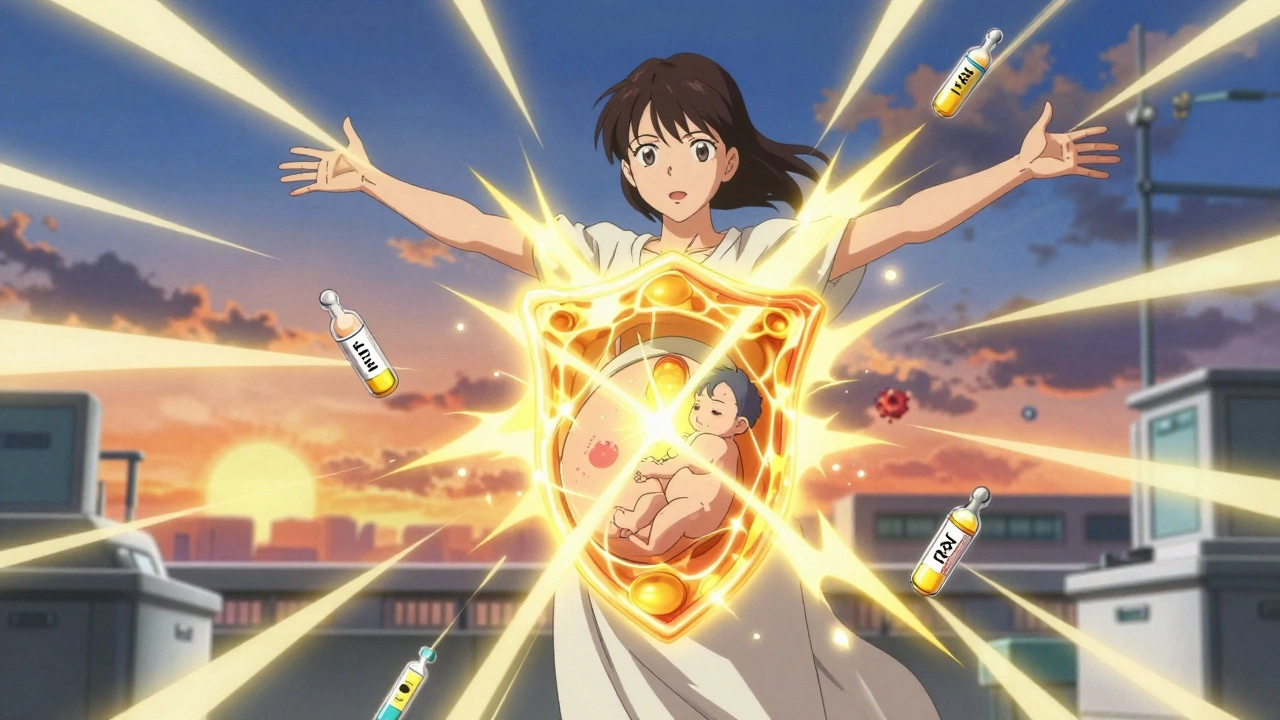
Learn which vaccines are safe and recommended during pregnancy, the best timing for each, and how they protect both you and your newborn. Evidence-based, clear, and practical.
read more