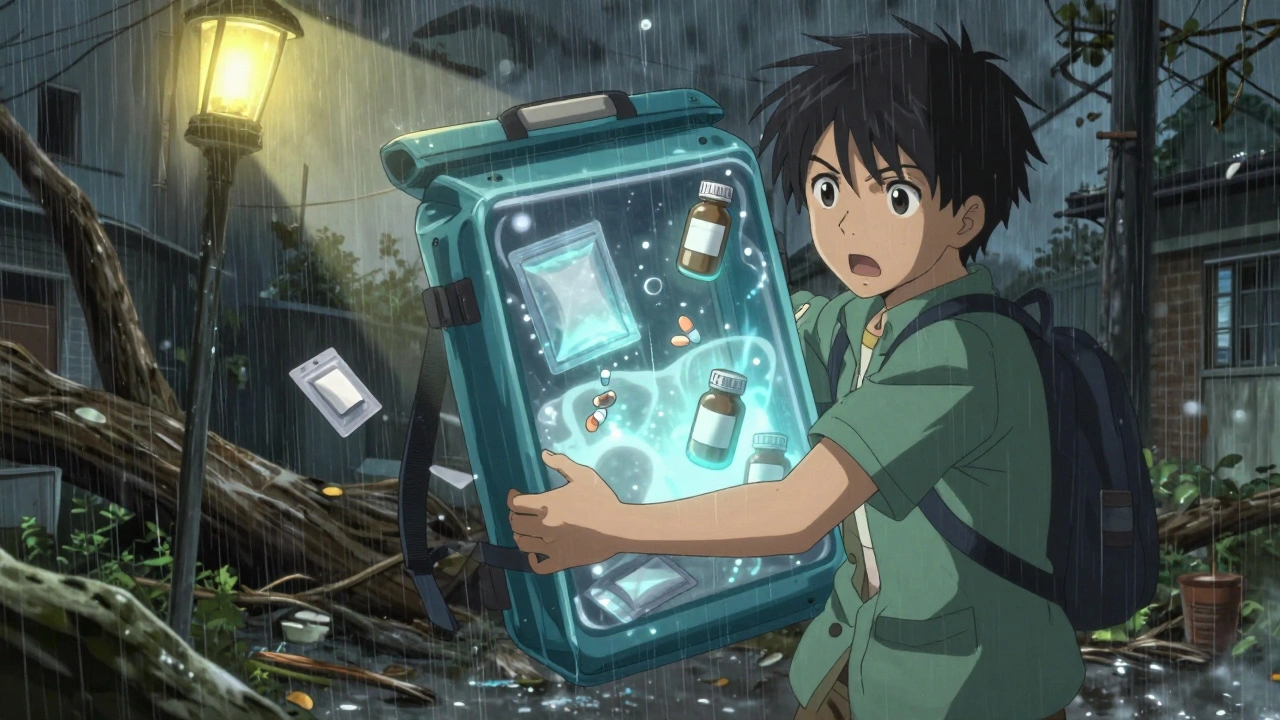
Emergency Medication Storage: How to Keep Your Drugs Safe and Ready
When it comes to emergency medication storage, the way you keep life-saving drugs like epinephrine, insulin, or nitroglycerin can mean the difference between life and death. Also known as critical drug storage, it’s not just about putting pills in a drawer—it’s about controlling heat, moisture, and light so your meds stay effective. Many people don’t realize that even a few hours in a hot car or a damp bathroom can ruin insulin, reduce the potency of epinephrine auto-injectors, or make antibiotics useless. The FDA and WHO both warn that improper storage leads to medication failure—and it’s one of the most preventable causes of treatment breakdown.
Think about insulin, a temperature-sensitive biologic that breaks down quickly if exposed to heat or freezing. It needs to be kept between 36°F and 46°F when unopened, and even after opening, it shouldn’t sit in direct sunlight or a glove compartment. Then there’s epinephrine, the go-to treatment for severe allergic reactions. If it turns brown or has particles in it, it’s likely degraded—and that could cost someone their life. nitroglycerin, used for angina, loses its strength in just three months if not kept in its original glass bottle away from light. These aren’t edge cases—they’re everyday emergencies that demand precise handling.
It’s not just about the drugs themselves. The containers matter too. A pill bottle left open on a windowsill? That’s a recipe for moisture damage. A medicine cabinet above the sink? Too humid. A drawer next to the stove? Too hot. You need a cool, dry, dark spot—like a bedroom closet or a dedicated box in the fridge (if the drug allows it). And don’t forget to check expiration dates every six months. If you’re traveling, carry meds in your carry-on, not checked luggage. Temperatures in cargo holds can drop below freezing or spike over 100°F. That’s not just risky—it’s dangerous.
People with chronic conditions—diabetes, heart disease, severe allergies—often rely on these meds daily. But even if you only keep one emergency drug, like an EpiPen for a child with peanut allergies, you owe it to them to store it right. It’s not about being paranoid. It’s about being prepared. The posts below give you real-world advice on how to handle everything from insulin pens to seizure meds, what to do when storage conditions change, and how to spot when a drug has gone bad. You’ll find checklists, storage hacks, and warnings from people who’ve seen what happens when things go wrong. No fluff. Just what you need to keep your meds working when it counts.