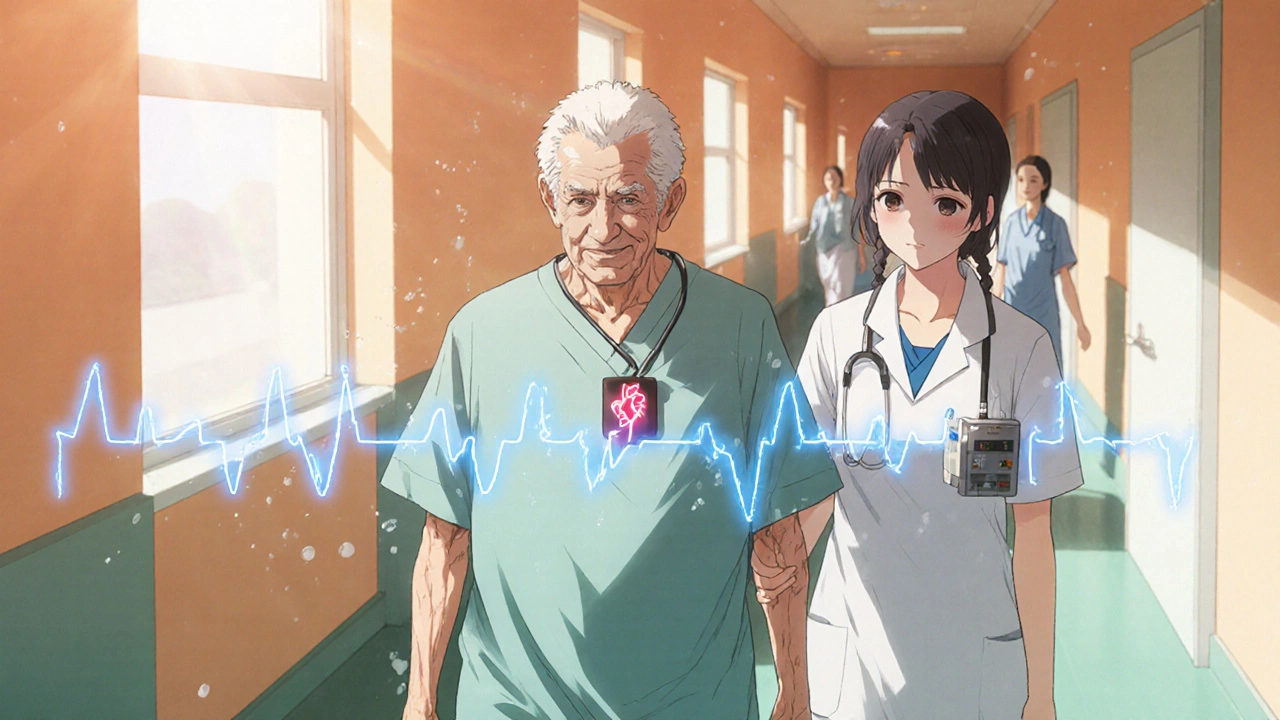
Exercise After Heart Attack
When your heart has been through a major event like a heart attack, the last thing you want to do is push too hard—or avoid movement altogether. Exercise after heart attack, a structured, doctor-approved return to physical activity that rebuilds heart strength and reduces future risk. Also known as cardiac rehabilitation, it’s not about running marathons. It’s about walking more, breathing better, and regaining control over your body. Many people think rest is the answer. But research from the American Heart Association shows that people who start gentle movement within days of a heart attack recover faster, feel less depressed, and are less likely to have another event.
Cardiac rehabilitation, a supervised program that combines monitored exercise, education, and lifestyle coaching is the gold standard. It doesn’t mean you’re stuck in a hospital gym. Most programs start with short walks, seated stretches, and light resistance bands—then slowly build up. You’ll learn how to check your pulse, recognize warning signs like chest tightness or dizziness, and understand how your meds affect your energy. This isn’t guesswork. It’s a step-by-step plan tailored to your heart’s condition.
Don’t confuse heart health, the overall state of your cardiovascular system, including blood pressure, cholesterol, and artery function with being "cured." A heart attack changes your body’s needs. You can’t go back to how you lived before. But you can build a new routine that’s stronger, smarter, and safer. That means swapping long hours on the couch for daily walks, choosing stairs over elevators, and learning to breathe deeply instead of holding your breath during simple tasks. Your heart doesn’t need intensity—it needs consistency.
And it’s not just about your heart. Physical activity after MI, the gradual return to movement following a myocardial infarction helps your lungs, your mood, your sleep, and even your digestion. People who stick with it report feeling more confident, less anxious, and more in charge of their lives. You’re not just recovering from a medical event—you’re rebuilding your life.
What you’ll find in the posts below isn’t theory. It’s real advice from people who’ve been there. You’ll see comparisons of heart meds that affect your energy, tips on avoiding dangerous interactions with supplements, and clear guidance on how to track your progress without overdoing it. No fluff. No fearmongering. Just what works.