Extend Medication Shelf Life: How to Store Drugs Safely and Save Money
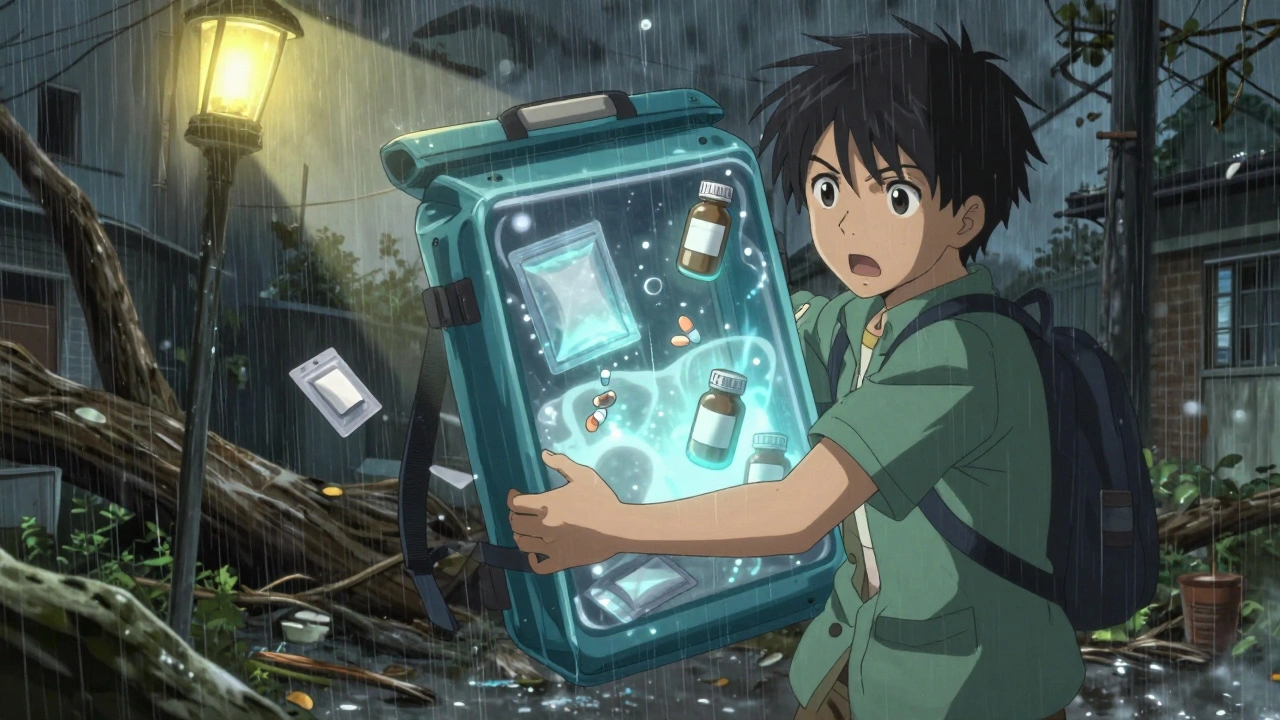
When you extend medication shelf life, you’re not just delaying expiration—you’re protecting your health, saving money, and reducing waste. Also known as drug stability management, it’s about keeping your pills, liquids, and inhalers effective longer by controlling heat, moisture, and light exposure. Most people throw away medicine too soon because they don’t know the truth: many drugs stay potent for years past their printed date, if stored right.
Expiration dates, the printed date on your medicine bottle, are not hard deadlines. Also known as use-by dates, they’re mostly about guaranteed potency under ideal conditions—not when your medicine sits in a hot bathroom or a sunlit kitchen counter. The FDA and independent studies show that 90% of medications retain their strength well beyond the label date, especially if kept cool and dry. But drug storage, how you keep your meds at home, is the real deciding factor. Also known as pharmaceutical stability, it’s the difference between a life-saving dose and a useless pill. A bottle of amoxicillin in a humid bathroom might lose potency in months. The same bottle in a dark drawer at 68°F could last years.
Some medications are more sensitive than others. Insulin, nitroglycerin, and liquid antibiotics need special care—refrigeration, protection from light, or use within days of opening. But most pills, like blood pressure meds, antidepressants, or pain relievers, are far more stable than you think. The biggest threat isn’t age—it’s poor storage. Humidity causes pills to break down. Heat speeds up chemical reactions that degrade active ingredients. Light can turn some drugs into harmful compounds. That’s why your medicine cabinet isn’t the best place. A cool, dry closet or bedroom drawer works better.
Don’t rely on smell, color, or texture alone. A tablet that looks fine might still be weak. Always check for unusual odors, stickiness, or discoloration—but know that most degradation happens invisibly. If you’re unsure, talk to your pharmacist. They can often test or advise on whether a drug is still safe to use. And if you have extra meds you won’t need, don’t flush them. Find a local take-back program. Safe disposal protects the environment and keeps drugs out of the wrong hands.
Extending your medication shelf life isn’t about stretching rules—it’s about using common sense. It’s about knowing that your $50 prescription doesn’t have to become trash after a year if you store it right. It’s about being smarter than the label. Whether you’re managing a chronic condition, stocking up on essentials, or just trying to cut costs, small changes in how you store your meds can add up to big savings and better outcomes. Below, you’ll find real-world advice from people who’ve learned the hard way—and the science behind what actually works.