Medication Review: What It Is and Why It Saves Lives
When you take multiple drugs, a medication review, a structured check-up of all your prescription and over-the-counter drugs to spot risks and improve outcomes. Also known as drug regimen review, it’s not just a formality—it’s a safety net that prevents hospital trips, reduces side effects, and saves money. Think of it like a tune-up for your pills. If you’re on five or more medications, or if you’ve had a recent change in health, this review isn’t optional—it’s essential.
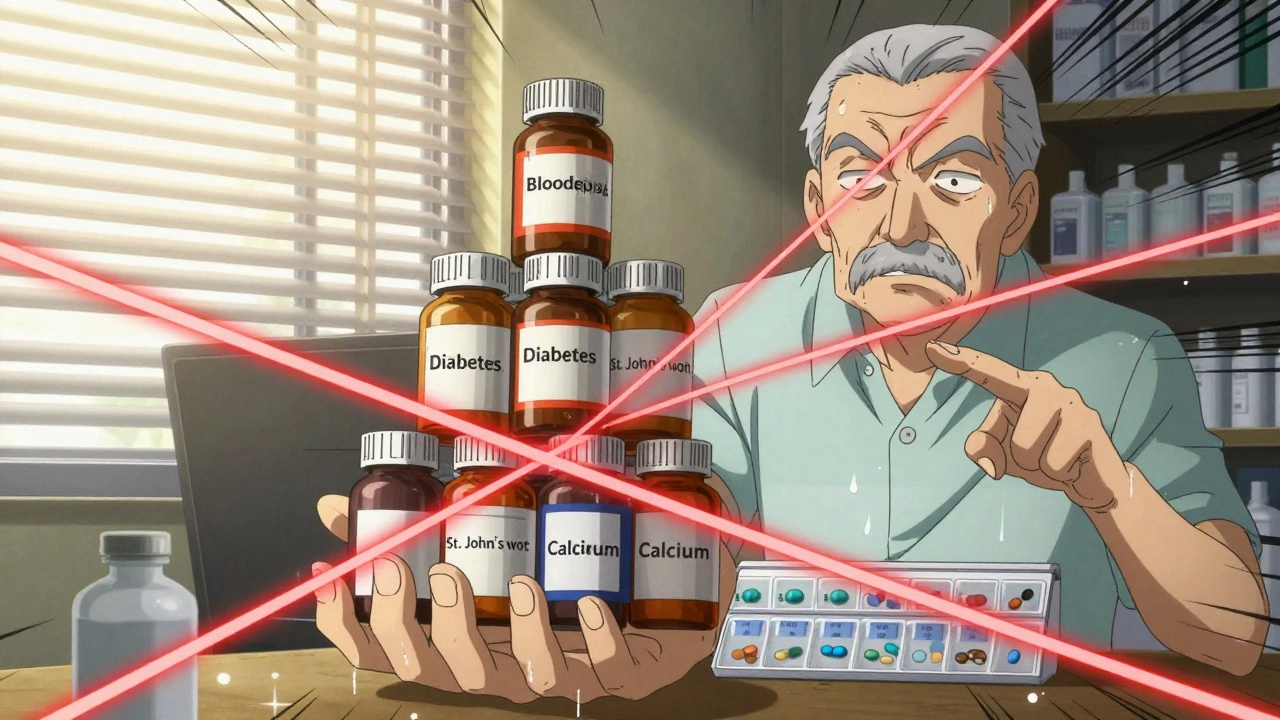
It’s not just about what’s on your list. A good medication review, a structured check-up of all your prescription and over-the-counter drugs to spot risks and improve outcomes. Also known as drug regimen review, it’s not just a formality—it’s a safety net that prevents hospital trips, reduces side effects, and saves money. includes checking for drug interactions, when two or more medications affect each other’s effectiveness or cause harmful side effects. Also known as pharmacological interactions, it’s a hidden danger in many households.. Goldenseal might mess with your liver enzymes. Birth control pills can change how your blood pressure meds work. Even common herbs or supplements like turmeric or St. John’s wort can turn safe drugs into risky ones. And it’s not just about pills—think about how your diabetes meds react to your new weight-loss drug, or how your heart medication interacts with your daily aspirin. These aren’t rare cases. They happen every day.
Then there’s medication adherence, how consistently a patient takes their drugs as prescribed. Also known as compliance, it’s the quiet crisis behind missed refills and skipped doses.. You might think you’re doing fine because you take your pills most days. But if you miss one dose a week, over a year, that’s 52 missed doses. For a blood thinner or an antidepressant, that’s enough to cause a relapse or a clot. A medication review helps fix this by syncing your refills, simplifying your routine, and making it easier to stick with your plan—like how medication synchronization cuts down on gaps in therapy.
And it’s not just for seniors. Anyone with chronic conditions—diabetes, asthma, high blood pressure, depression—is at risk. Even people taking just one or two meds can benefit. A single review can uncover a duplicate drug, an outdated prescription, or a cheaper generic alternative that saves hundreds a year. That’s the power of a medication review. It turns confusion into clarity, risk into safety, and wasted money into real savings.
Below, you’ll find real, practical guides on how to spot dangerous interactions, compare your heart meds, safely dispose of needles, sync your refills, and even understand how your supplements might be sabotaging your prescriptions. These aren’t theory pieces—they’re tools you can use today to take control of your health.