Pharmacokinetics: How Your Body Processes Medications
When you take a pill, it doesn’t just disappear and fix your problem. Pharmacokinetics, the study of how the body absorbs, distributes, metabolizes, and eliminates drugs. It’s the science behind why some pills work fast, others last all day, and why some shouldn’t be taken with food. Without understanding pharmacokinetics, you’re guessing how your meds behave—and that’s risky. It’s not magic. It’s biology, chemistry, and timing working together.
Think of it like a journey. First, the drug gets absorbed, how it enters your bloodstream from the gut, skin, or injection site. Then it’s distributed, carried by blood to tissues and organs. Next, the liver breaks it down—this is metabolism, the chemical transformation that turns drugs into usable or excretable forms. Finally, the kidneys or bile eliminate, the process of flushing out what’s left. Get any step wrong, and the drug might not work, or worse, hurt you. That’s why metformin extended-release hits slower than immediate-release, why misoprostol triggers contractions so fast, and why goldenseal can mess with liver enzymes and wreck your other meds.
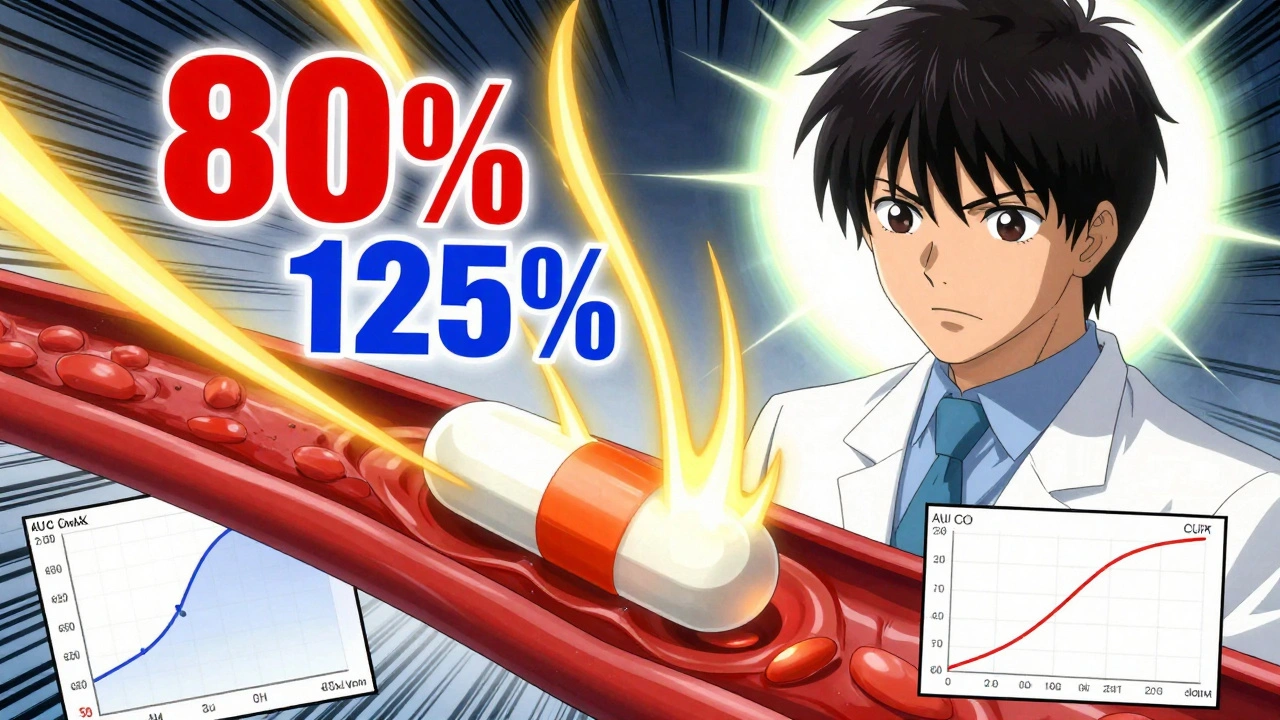
Pharmacokinetics explains why generic drugs must match brand names in how they’re absorbed and broken down—this is called bioequivalence. It’s why your doctor adjusts doses for seniors or people with liver disease. It’s why some meds need to be taken on an empty stomach, and others with food. It’s why emergency meds need proper storage—heat and moisture can change how they’re processed. Even something as simple as swallowing a pill with grapefruit juice can alter metabolism and cause side effects. This isn’t theory. It’s daily reality for millions managing diabetes, heart conditions, asthma, or alcohol use disorder. The posts below show you exactly how this science shows up in real prescriptions, recalls, interactions, and treatment plans. You’ll see how timing, dosage, and your body’s unique response make the difference between a drug that helps and one that doesn’t.