Vaccines and Pregnancy: Safe Immunizations and Timing
Learn which vaccines are safe and recommended during pregnancy, the best timing for each, and how they protect both you and your newborn. Evidence-based, clear, and practical.
read more
When it comes to protecting the very young and the very old, the RSV vaccine, a preventive shot designed to guard against respiratory syncytial virus, a common but dangerous lung infection. Also known as respiratory syncytial virus vaccine, it’s one of the newest tools in the fight against seasonal respiratory illness. RSV isn’t just a bad cold—it’s the leading cause of bronchiolitis and pneumonia in babies under one year old, and it sends tens of thousands of seniors to the hospital each year. For decades, there was no vaccine. Now, we have options that actually work.
The RSV vaccine, a preventive shot designed to guard against respiratory syncytial virus, a common but dangerous lung infection. Also known as respiratory syncytial virus vaccine, it’s one of the newest tools in the fight against seasonal respiratory illness. isn’t just for babies. Two types exist: one given to pregnant people to protect newborns through antibodies passed before birth, and another given directly to adults 60 and older. The maternal version cuts infant hospitalizations by nearly 80%. The senior version reduces severe illness by over 60%. These aren’t small wins—they’re life-saving shifts in how we handle a virus that’s been hiding in plain sight for generations.
What makes the RSV vaccine different from others is how targeted it is. Unlike flu shots that change yearly, RSV vaccines are designed around the virus’s main surface protein, F protein, which stays mostly stable. That means protection lasts longer. But timing matters. If you’re pregnant, getting the shot between 32 and 36 weeks gives your baby the best shot at defense. If you’re over 60, getting it in the fall—before RSV season peaks—makes all the difference. It’s not about waiting until you’re sick. It’s about stopping the virus before it gets a foothold.
And while the RSV vaccine is new, the science behind it builds on decades of research. It’s not magic—it’s pharmacology. The same principles used to develop vaccines for pneumonia, shingles, and even COVID-19 helped make this possible. It’s also part of a bigger shift: we’re finally treating respiratory viruses like serious threats, not just seasonal nuisances. For parents of newborns, for caregivers of elderly relatives, for anyone who’s seen a child struggle to breathe or an older loved one hospitalized after a cough—this vaccine changes the game.
What you’ll find in the posts below isn’t just a list of articles. It’s a collection of real-world insights on how medications and vaccines are studied, approved, and used across populations. From how bioequivalence rules ensure generic drugs work the same way, to how emergency storage affects medication safety, to how providers advocate for better treatment choices—these are the behind-the-scenes stories that make the RSV vaccine possible. You’ll see how science translates into action, and how small decisions in labs and clinics lead to big outcomes in homes and hospitals.
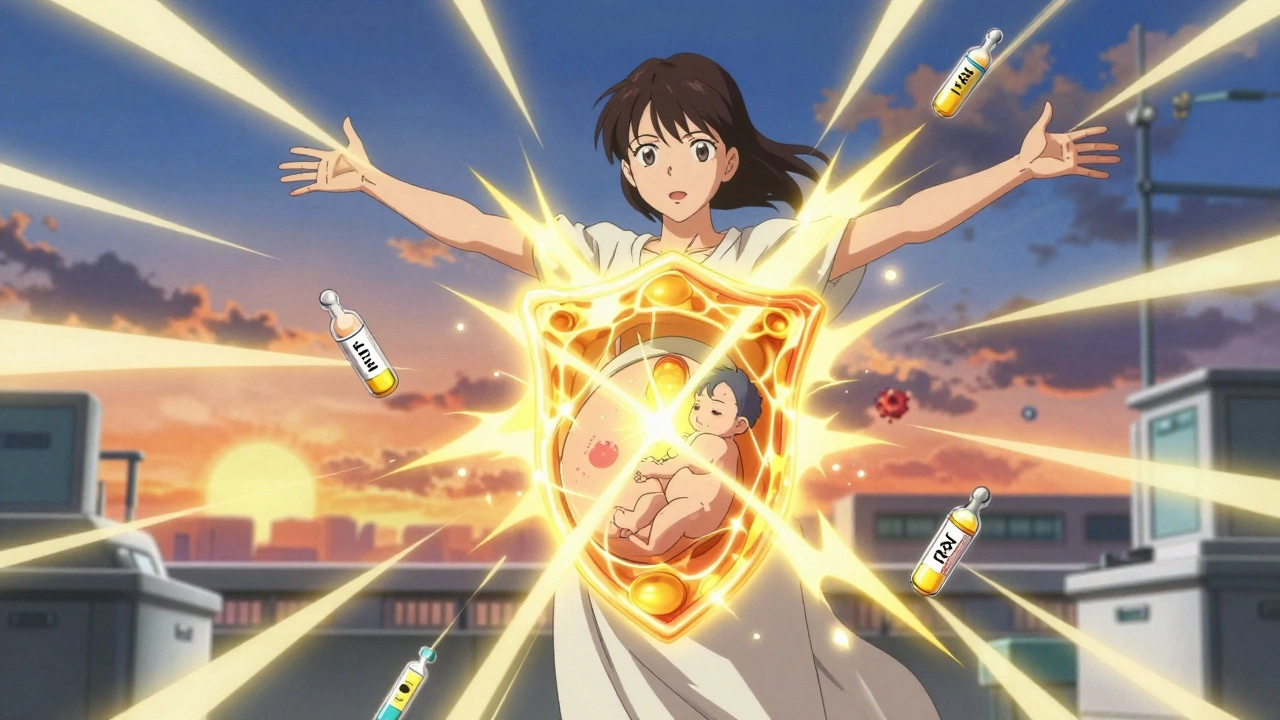
Learn which vaccines are safe and recommended during pregnancy, the best timing for each, and how they protect both you and your newborn. Evidence-based, clear, and practical.
read more