Medication-Induced Aplastic Anemia Symptom Checker
Assess Your Risk
This tool helps identify potential warning signs of medication-induced aplastic anemia. It's not a substitute for medical advice. If you're experiencing symptoms, see a doctor immediately.
When you take a new medication, you expect side effects like a headache or upset stomach-not a life-threatening collapse of your blood production. But for some people, common drugs can silently shut down their bone marrow, leading to medication-induced aplastic anemia. It’s rare, but when it happens, speed saves lives. You won’t feel sick right away. The warning signs creep in slowly, often mistaken for stress, the flu, or just getting older. By the time you’re exhausted, bruising for no reason, or running a low fever, it might already be too late. This isn’t about fear-it’s about knowing what to watch for and what to do next.
What Exactly Is Medication-Induced Aplastic Anemia?
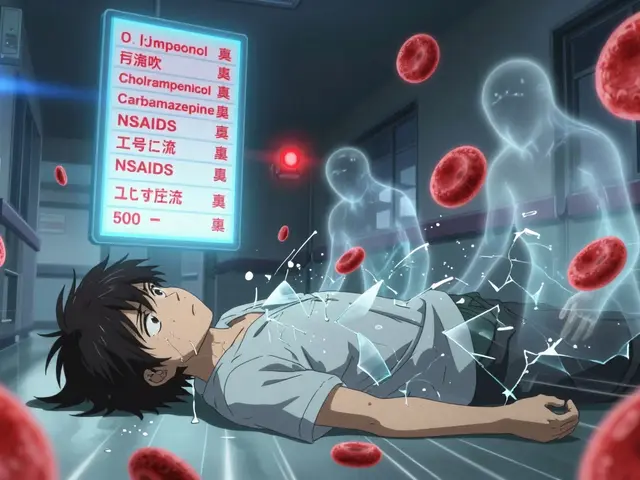
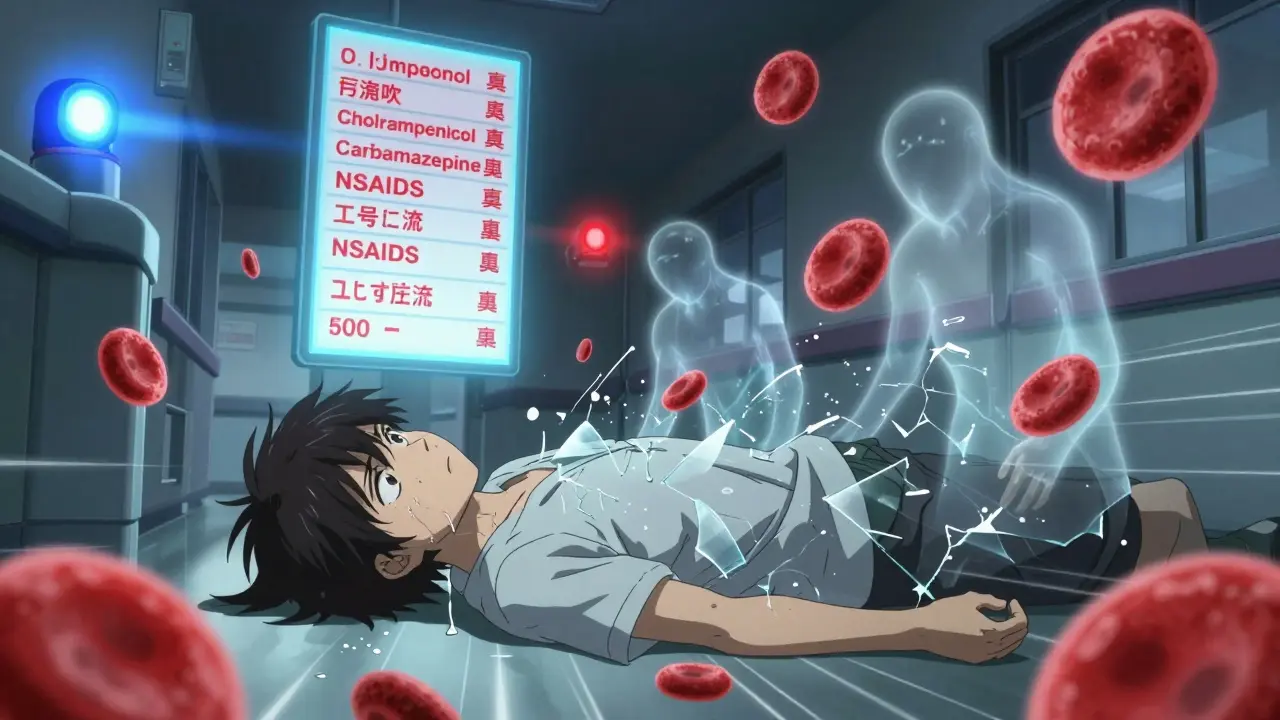
Aplastic anemia means your bone marrow stops making enough red blood cells, white blood cells, and platelets. It’s not cancer. It’s not an infection. It’s your body’s blood factory going offline. And in about 5-10% of cases, it’s triggered by a drug you took weeks or months ago. The damage isn’t always obvious. Some medications, like chloramphenicol, directly poison stem cells. Others, like carbamazepine, trick your immune system into attacking your own bone marrow. The result? Your blood counts drop. And once they fall below certain levels, your body can’t fight infection, carry oxygen, or stop bleeding.
The scary part? Many of these drugs are still prescribed today. Antibiotics like sulfonamides. Anti-seizure meds like phenytoin. Even common painkillers like NSAIDs and gold compounds used for arthritis. You might not think twice about taking them-but your bone marrow could be paying the price.
Early Signs You Can’t Afford to Ignore
Most people don’t realize they’re in danger until they’re already sick. But there are clues, often missed, that show up weeks before you feel terrible.
- Persistent fatigue that doesn’t get better with rest-this is the most common early sign. Not just tired after work. Exhausted even after sleeping.
- Unexplained bruising-multiple bruises on your arms or legs without bumping into anything. Tiny red dots under the skin (petechiae) are a red flag.
- Recurrent low-grade fevers (99-101°F) that come and go, with no cough or sore throat.
- Unintentional weight loss-5-10 pounds over a few weeks, with no change in diet or exercise.
- Slow healing from small cuts or nosebleeds that won’t stop.
- Shortness of breath during light activity, like walking to the mailbox.
These aren’t normal side effects. They’re signals your bone marrow is failing. And they often show up 1-3 weeks before your blood test confirms it. That’s why waiting to see a doctor until you’re pale and dizzy is dangerous.
Which Medications Are Most Likely to Cause It?
Not every drug causes this-but some carry well-documented risks. The top offenders include:
- Chloramphenicol (antibiotic): Highest risk. 1 in 24,000-40,000 users develop aplastic anemia. Still used in some countries for serious infections.
- Carbamazepine (for epilepsy and nerve pain): 15 times higher risk than non-users. Often prescribed for migraines too.
- Phenytoin (another seizure drug): Immune-mediated damage. Can strike even after years of use.
- Sulfonamides (antibiotics like Bactrim): Commonly prescribed for UTIs and sinus infections.
- Gold compounds (for rheumatoid arthritis): Older treatment, but still in use.
- NSAIDs (like ibuprofen or naproxen): Rare, but documented in cases with long-term, high-dose use.
- Certain antipsychotics (like clozapine): Require regular blood monitoring for this exact reason.
Chemotherapy drugs can cause temporary low blood counts-but true aplastic anemia means your marrow doesn’t recover after stopping the drug. That’s the key difference.
What to Do If You Suspect It
Time is everything. If you’re on one of these drugs and notice any of the early signs, here’s your action plan:
- Stop the medication immediately. Don’t wait for a doctor’s appointment. Call your prescriber or pharmacist. Discontinuing the drug is the single most important step-85% of mild cases start to recover within 4 weeks.
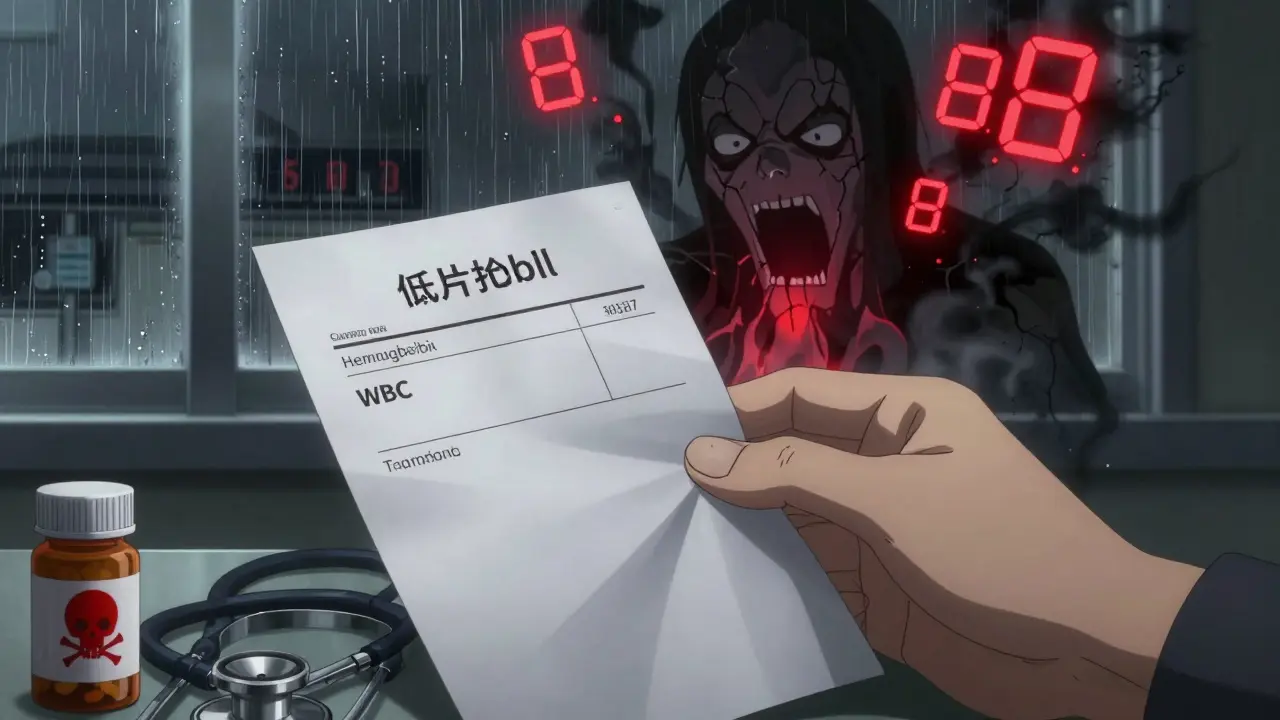
- Get a complete blood count (CBC) within 24 hours. This test checks your hemoglobin, white blood cells, and platelets. If your platelets are below 50,000/μL, you need to see a hematologist right away.
- Don’t delay the bone marrow biopsy. If your CBC shows low counts across the board, a biopsy is needed to confirm aplastic anemia. It looks for hypocellularity-when the marrow is less than 25% full of blood-making cells.
- Go to the ER if you have a fever above 100.4°F. With low white blood cells, even a small infection can turn deadly. This is a medical emergency. Don’t wait until morning.
Doctors often miss this. A 2021 survey found 68% of patients had their symptoms misdiagnosed as viral illness or stress. Don’t let that happen to you. Bring your medication list. Highlight the drugs you’ve taken in the last 3 months.
Why Speed Matters So Much
Survival rates drop fast if you wait. If you get diagnosed and treated within two weeks of symptoms, your chance of living five years is over 90%. If you wait eight weeks or longer? That number plummets to 55%. That’s not a small difference-it’s the difference between life and death.
Dr. Neal Young from the NIH says early recognition is the single biggest factor in survival. And it’s not just about treatment. It’s about stopping the poison before it does irreversible damage. Once your marrow is destroyed, you need immunosuppressive drugs or even a bone marrow transplant. But if you catch it early? Your body can heal itself.

What Happens After Diagnosis?
If you’re diagnosed with medication-induced aplastic anemia, your treatment will depend on severity. Mild cases often recover on their own after stopping the drug. Severe cases need stronger intervention:
- Immunosuppressive therapy (horse anti-thymocyte globulin + cyclosporine): Used for severe cases. 78% respond well, according to 2023 European data.
- Bone marrow transplant: Best option for younger patients with a matched donor. Success rates are now over 85%.
- Platelet and red blood cell transfusions: Used to manage symptoms while your marrow recovers.
- Antibiotics and isolation: If your white blood cell count is below 500/μL, you’re at high risk for infection. Hospitals use reverse isolation to protect you.
And here’s the critical warning: Never restart the drug that caused it. Even if you recovered, restarting it has a 90% chance of triggering a worse relapse.
How to Protect Yourself
Prevention isn’t just about avoiding dangerous drugs. It’s about awareness.
- Keep a full medication list-including over-the-counter drugs and supplements. Bring it to every appointment.
- Ask your doctor: “Could this drug affect my bone marrow?” Especially if you’re on long-term treatment.
- Request a baseline CBC before starting high-risk drugs like carbamazepine or chloramphenicol. Follow up with weekly tests for the first month.
- Use apps or trackers-the AAMDS Foundation has a free app that helps you log symptoms and blood counts. Users report 40% faster diagnosis times.
- Know your pharmacist. In Reddit communities, 41% of patients say their pharmacist was the first to suggest a drug might be the cause.
Most importantly-trust your body. If you feel off, and it’s been weeks and nothing’s helping, don’t brush it off. Push for a blood test. It takes five minutes. It could save your life.
What’s Changing in 2026?
There’s new hope. In 2023, the NIH started testing a genetic panel that can spot medication-induced bone marrow failure in under 48 hours-with 92% accuracy. By 2026, this could become standard in hospitals. AI tools are also being trained to flag patients on high-risk drugs who show early warning signs in their electronic records.
Regulators are acting too. The European Medicines Agency now requires stronger warnings on carbamazepine labels. The FDA is pushing drug makers to test for bone marrow toxicity earlier in development.
But until these tools are everywhere, the responsibility falls on you. Know the signs. Know the drugs. Act fast.
Can over-the-counter painkillers cause aplastic anemia?
Yes, though it’s rare. Long-term, high-dose use of NSAIDs like ibuprofen or naproxen has been linked to cases of aplastic anemia. The risk is much lower than with drugs like chloramphenicol or carbamazepine, but it’s documented. If you’ve been taking these daily for months and notice unexplained fatigue or bruising, get a blood test.
Is aplastic anemia from medication always permanent?
No. In mild cases, stopping the drug leads to full recovery within weeks to months. About 60-70% of patients recover completely if caught early. Severe cases may require long-term treatment, but survival rates are now above 85% with modern care. The key is early detection and stopping the trigger.
Can children get medication-induced aplastic anemia?
Yes. Children are just as vulnerable as adults. In fact, 65% of pediatric cases are delayed because symptoms are mistaken for common childhood illnesses like viruses or growing pains. If a child on antibiotics or anticonvulsants has persistent tiredness, unexplained bruising, or recurring fevers, insist on a CBC.
What should I do if I’m on a high-risk medication and feel fine?
Even if you feel fine, get a baseline CBC before starting the drug, and ask for weekly blood tests during the first month. Most cases develop within 4-6 weeks of starting the medication. Monitoring catches problems before symptoms appear. Talk to your doctor about a monitoring plan-it’s a simple precaution.
Why do doctors often miss this diagnosis?
Because it’s rare. In a 2022 survey, only 47% of family doctors could name the top five drugs linked to aplastic anemia. Symptoms mimic common issues like fatigue from stress or viral infections. Without a high index of suspicion, it gets overlooked. That’s why patients need to advocate for themselves-bring your meds, mention your symptoms, and ask for a blood test.
Can I take the same drug again if I recovered?
Never. Restarting the drug that caused aplastic anemia carries a 90% risk of a much more severe relapse. Even if you feel completely healthy, the bone marrow damage can return faster and worse. Your medical record should clearly flag this drug as contraindicated for life.