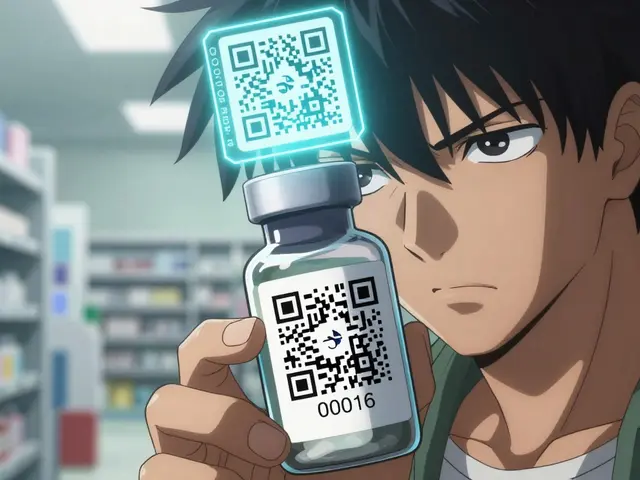
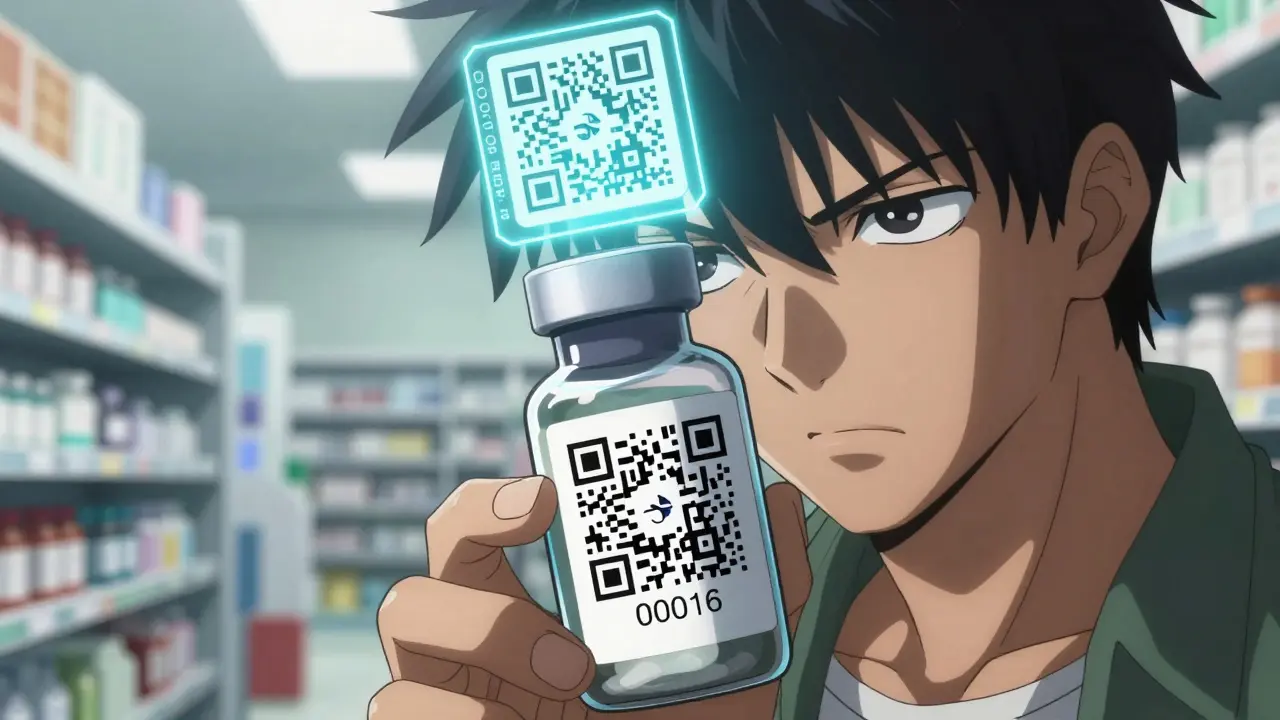
You buy a bottle of medication at the pharmacy. The seal is intact. The label looks perfect. But what if that medicine isn't real? What if it’s filled with chalk, or worse, dangerous chemicals? This isn’t a hypothetical nightmare scenario; it happens every day. Counterfeit drugs account for nearly 10% of all pharmaceuticals in low- and middle-income countries, according to the World Health Organization. In developed nations, the threat is rising too, fueled by sophisticated online marketplaces.
The good news? We have a powerful weapon against this crisis. It’s called track-and-trace. By using unique identifiers like lot numbers and serial codes, regulators, manufacturers, and pharmacists can verify exactly where a drug came from, who handled it, and whether it’s genuine. If you’ve ever wondered why there are strange codes on your prescription bottles, this is why they exist. They are your first line of defense.
What Are Lot Numbers and Serial Codes?
To understand how we stop fakes, we first need to distinguish between two types of identifiers: lot numbers and serial codes. They sound similar, but they serve very different purposes in supply chain security.
A lot number, also known as a batch number, is a unique identifier assigned to a specific group of products produced under identical conditions. Think of it like a class yearbook. Everyone in that batch was made on the same day, in the same factory, using the same raw materials. If one pill in that lot is found to be contaminated, every other pill in that lot is suspect. Lot tracking allows manufacturers to isolate problems quickly without recalling an entire product line globally.
In contrast, a serial code is a unique identifier for a single, individual unit. Just like your social security number or passport ID, no two serial codes are the same. While lot numbers track groups, serial codes track individuals. In the fight against counterfeits, serial codes are the game-changer because they allow anyone-from a pharmacist to a patient-to verify the authenticity of that specific box of medicine.
| Feature | Lot Number (Batch) | Serial Code |
|---|---|---|
| Scope | Group of items | Individual item |
| Primary Use | Quality control, recalls | Anti-counterfeiting, warranty |
| Uniqueness | Shared within the batch | Unique per unit |
| Verification | Internal manufacturer use | Consumer/pharmacist verification |
How Track-and-Trace Works in Practice
Track-and-trace systems connect these identifiers into a digital thread that follows a drug from the manufacturing floor to your doorstep. Here is how the process typically unfolds:
- Assignment: When a pharmaceutical company produces a batch of pills, they assign a lot number. Then, each individual package receives a unique serial code, often printed as a QR code or DataMatrix barcode.
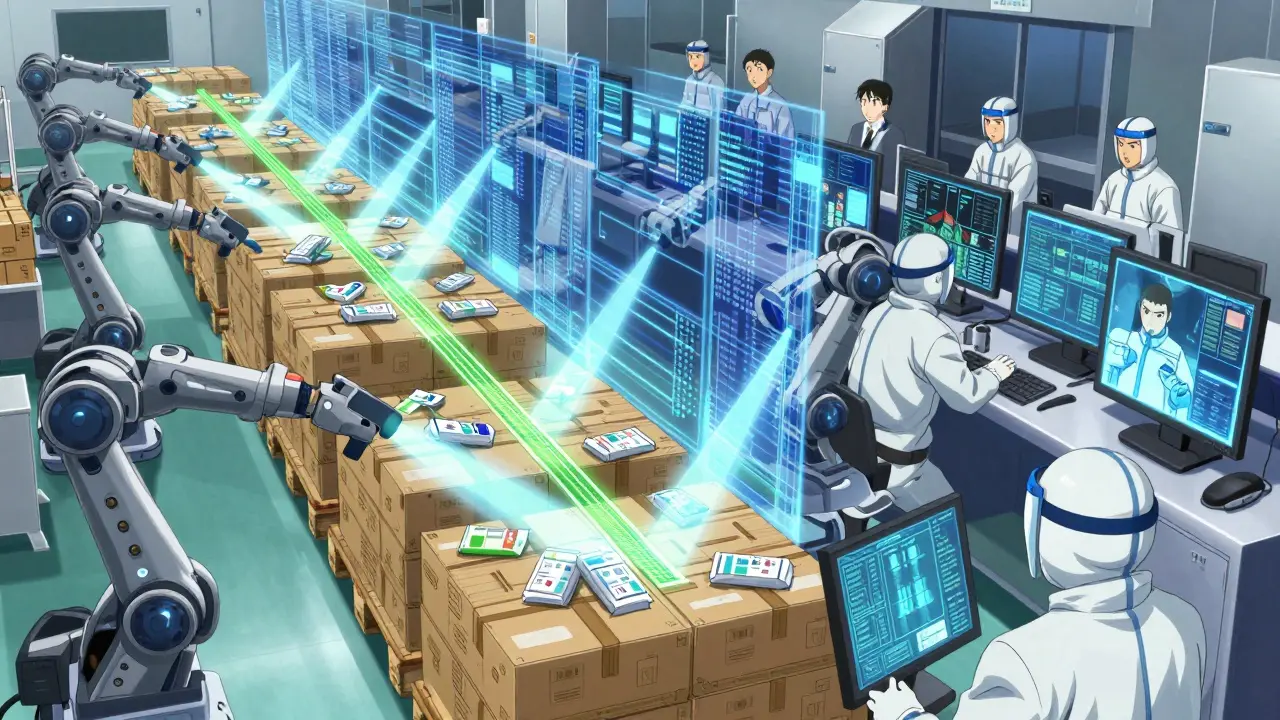
- Aggregation: As boxes are packed into cartons, and cartons into pallets, scanners link the individual serial codes to the larger container IDs. This creates a hierarchy. If you scan the pallet, the system knows exactly which 500 boxes are inside.
- Registration: These codes are uploaded to a secure central database or blockchain network. This ledger records every handoff: from the manufacturer to the distributor, then to the wholesaler, and finally to the pharmacy.
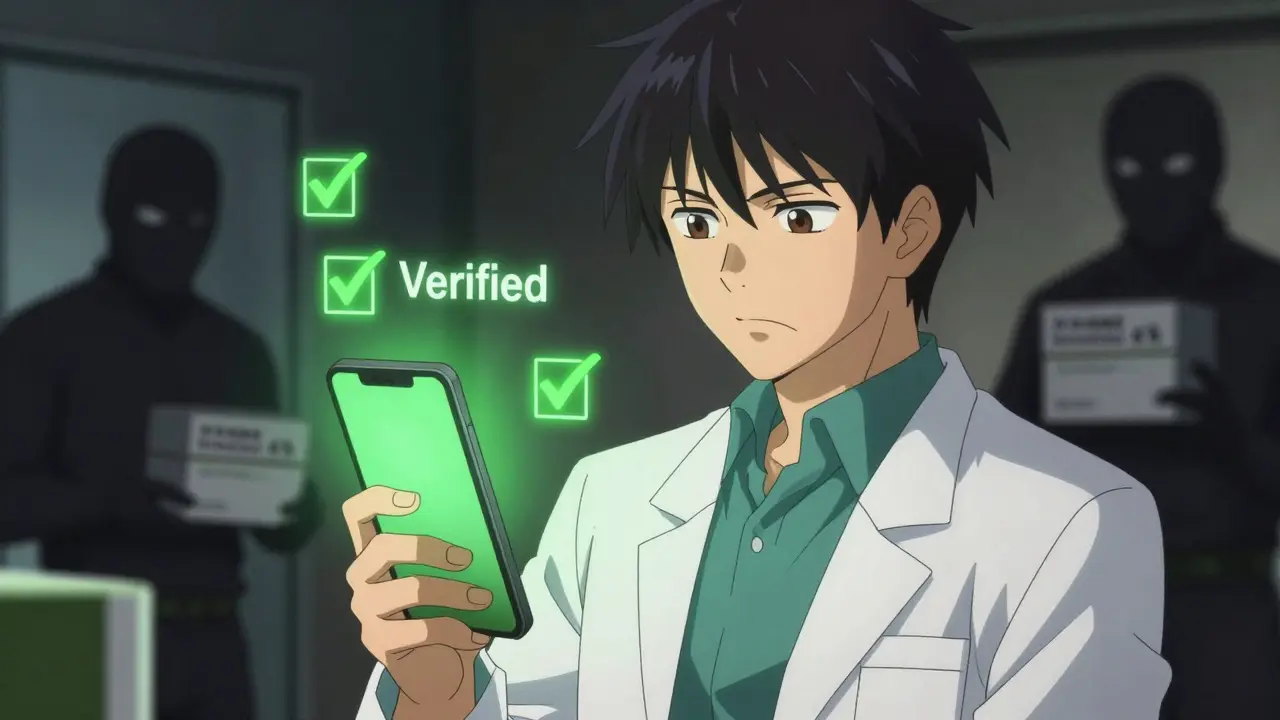
- Verification: When a pharmacist receives the shipment, they scan the codes to confirm they haven’t been tampered with. Later, when you buy the drug, the pharmacy may deactivate the code in the system to prevent it from being resold as “new” by bad actors.
This end-to-end visibility is crucial. Without it, a counterfeit box can slip into the supply chain at any point. With it, any break in the chain triggers an immediate alert.
Why This Matters for Drug Safety
You might think, "I just want my painkiller. Why do I care about supply chain logistics?" Because fake drugs kill. According to the FDA, counterfeit medicines can contain incorrect doses, toxic ingredients like arsenic or lead, or no active ingredient at all. For life-saving medications like insulin or heart disease drugs, this is deadly.
Track-and-trace systems directly combat this by making it incredibly difficult for criminals to pass off fakes as real. If a criminal tries to insert a fake box into a legitimate supply chain, the serial code won’t match the database. If they try to clone a valid code, the system will flag it as a duplicate because that specific code was already scanned and verified elsewhere.
Furthermore, these systems speed up recalls. In the past, if a contamination issue was found, companies had to recall millions of units blindly. Today, using lot numbers, they can pinpoint exactly which batches are affected. This reduces waste and ensures that safe medicine stays on shelves while dangerous products are removed immediately.
Global Regulations Driving Change
The push for track-and-trace isn’t just corporate goodwill; it’s the law. Governments worldwide are mandating serialization to protect public health.
In the United States, the Drug Supply Chain Security Act (DSCSA) requires full interoperability of track-and-trace systems by November 2024. This means all stakeholders must be able to exchange transaction information electronically. The goal is to create a seamless digital history for every prescription drug sold in the US.
Europe went even further with the EU Falsified Medicines Directive, implemented in 2019. It requires a safety feature on the packaging-a unique identifier and an anti-tampering device. Pharmacists in EU countries must verify the code before dispensing the medication to patients.
Other regions, including China, Brazil, and India, have introduced similar mandates. This global harmonization makes it harder for counterfeiters to exploit gaps between different national regulations.
Challenges and Limitations
Despite its benefits, implementing track-and-trace is not without hurdles. For small pharmacies and distributors, the cost of scanners, software integration, and staff training can be significant. There’s also the issue of data privacy. Storing detailed movement data raises concerns about who has access to this information and how it’s protected from cyberattacks.
Additionally, technology alone doesn’t solve human error. If a warehouse worker scans the wrong code or skips a step, the integrity of the chain is compromised. That’s why user-friendly interfaces and mandatory scanning protocols are essential. Some experts argue that without strict enforcement, bad actors will find ways to bypass these systems, such as by stealing valid codes before they are activated.
What You Can Do as a Consumer
As a patient, you play a vital role in this ecosystem. Here’s how you can use track-and-trace to protect yourself:
- Check the Packaging: Look for the unique identifier-usually a QR code or alphanumeric string-on your medication box. In many countries, this is now standard.
- Verify Before Use: If your country offers a public verification portal or app, scan the code. This confirms the drug is authentic and hasn’t been reported stolen or recalled.
- Buy from Reputable Sources: Avoid buying prescription drugs from unofficial websites or social media sellers. Legitimate pharmacies participate in track-and-trace networks; rogue sellers do not.
- Report Suspicious Items: If a code doesn’t scan, looks altered, or the packaging seems tampered with, don’t take the medication. Contact your pharmacist and report it to local health authorities.
By staying vigilant, you help close the loop on counterfeit drug trafficking. Every verified scan strengthens the system.
Can I check my medication's serial code myself?
Yes, in many regions. Countries like those in the European Union, Turkey, and parts of Asia have public apps or websites where you can scan the QR code on your medicine box to verify its authenticity. In the US, the DSCSA focuses more on B2B verification, but some manufacturers offer consumer-facing verification tools. Check with your local health authority or the drug manufacturer’s website for available resources.
What happens if a serial code is duplicated?
If a serial code is scanned more than once in a way that violates the supply chain rules (e.g., two different pharmacies trying to dispense the same unique unit), the system flags it as a potential counterfeit or theft incident. Authorities are alerted, and the product is investigated. This duplication check is one of the most effective ways to catch fake drugs entering the legitimate market.
Are over-the-counter drugs covered by track-and-trace?
Currently, most regulations like the DSCSA and EU FMD focus primarily on prescription drugs due to their higher risk profile. However, some high-value over-the-counter products, especially those frequently counterfeited like certain painkillers or supplements, may voluntarily adopt serialization. Regulations are evolving, so coverage may expand in the future.
Does track-and-trace affect the price of my medication?
Indirectly, yes. Implementing track-and-trace systems involves costs for manufacturers, distributors, and pharmacies, including hardware, software, and labor. These costs may be passed on to consumers. However, many experts argue that the savings from reduced waste, fewer recalls, and lower healthcare costs associated with treating adverse effects from counterfeit drugs outweigh the implementation expenses.
How long does it take for a track-and-trace system to detect a fake?
Detection can be almost instantaneous. When a pharmacist scans a code at the point of sale, the system checks it against the central database in real-time. If the code is invalid, expired, or already used, the alert appears immediately. This prevents the fake drug from reaching the patient.