Deprescribing: How to Safely Reduce Unnecessary Medications
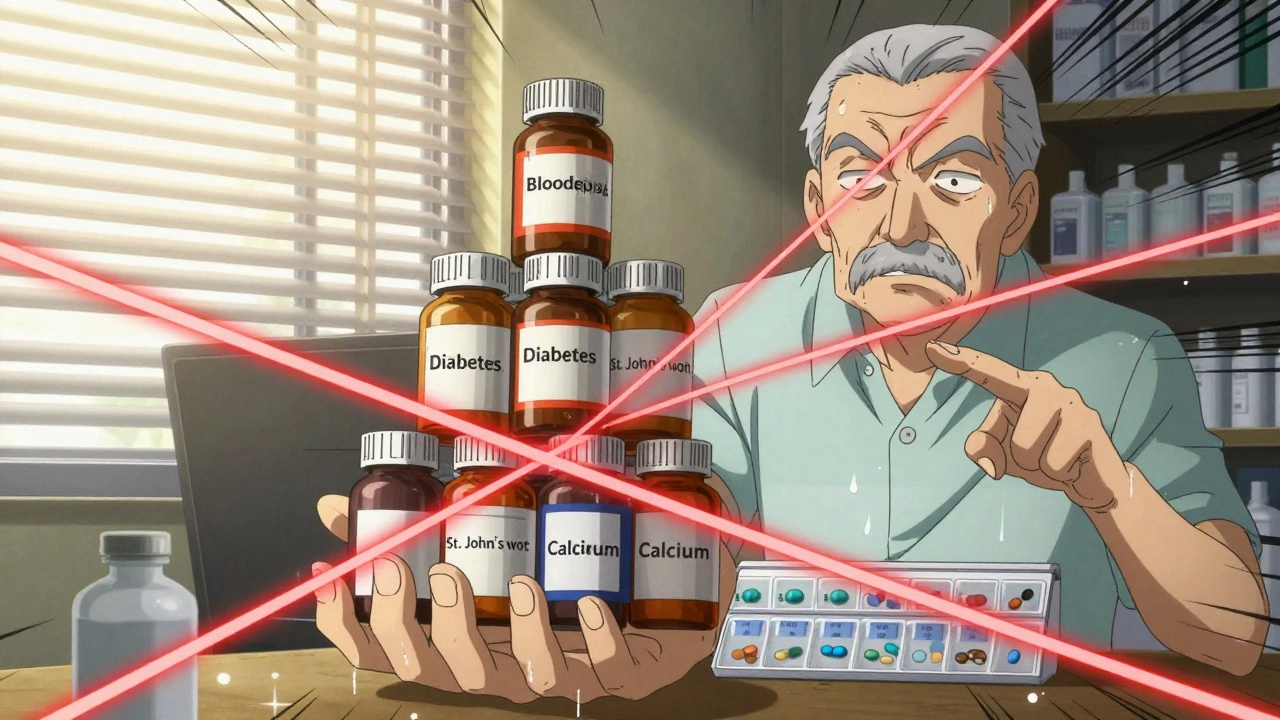
When you take too many pills, it doesn’t always mean you’re getting better. Deprescribing, the planned and supervised process of reducing or stopping medications that are no longer needed or may be doing more harm than good. It’s not about quitting drugs cold turkey—it’s about smart, step-by-step adjustments made with your doctor’s help. Many older adults, especially those managing multiple chronic conditions, end up on ten or more drugs. That’s called polypharmacy, the use of multiple medications by a patient, often leading to increased risk of side effects and interactions. But studies show that up to 30% of these meds might not be helping—and some could even be making you feel worse.
Deprescribing isn’t just for seniors. Anyone on long-term painkillers, sleep aids, antacids, or even antidepressants might benefit from a review. Think about it: if you started a drug five years ago for a temporary issue, does it still make sense today? Your body changes. Your health changes. So should your meds. Pharmacist guidance, the role of pharmacists in reviewing medication regimens to identify potential risks and opportunities for simplification is key here. Pharmacists are trained to spot overlaps, duplications, and drugs that no longer match your current needs. They’re the ones who notice when you’re taking two drugs that do the same thing, or when a blood pressure pill is causing dizziness that makes you fall.
There’s no magic checklist for deprescribing. It’s personal. One person might stop a daily antacid after their reflux clears up. Another might slowly reduce a sleep aid they’ve been using for years. The goal? Fewer side effects, less confusion, lower costs, and better quality of life. And yes, it’s safe—when done right. Cutting meds too fast can be dangerous. That’s why every successful deprescribing plan starts with a conversation. Ask your doctor: "Is this still necessary?" "What happens if I stop?" "Are there alternatives?" You’re not being difficult—you’re being smart.
What you’ll find below are real, practical guides that show you how this works in action. From safely stopping certain heart meds to understanding when to question long-term painkillers, these posts give you the tools to have better conversations with your care team. No fluff. No hype. Just clear, honest info to help you take control of your meds—not the other way around.