
Hormone Therapy Safety Checker
Hormone Therapy Safety Assessment
Answer the following questions to determine if hormone therapy is safe for your situation. This tool is based on the latest medical guidelines for post-menopausal women.
Your hormone therapy safety assessment will appear here after clicking the button above.
When you’re past menopause, your body doesn’t just stop changing-it starts responding differently to the medicines you take. What worked at 50 might not be safe at 65. And if you’re taking five or more prescriptions-like most women your age-each one adds risk. The real question isn’t just what to take, but when, how, and if you still need it at all.
Why Your Body Reacts Differently After Menopause
After menopause, your liver starts processing drugs slower. Your kidneys don’t filter as well. Fat replaces muscle, and that changes how medicines spread through your body. Estrogen levels drop, which affects everything from blood pressure to bone density to how your brain handles mood. These aren’t minor shifts-they change how your body absorbs, breaks down, and gets rid of medications.Take estrogen, for example. If you swallow it as a pill, your liver gets hit hard with a big dose all at once. That raises your risk of blood clots. But if you use a patch, the estrogen goes straight into your bloodstream, skipping the liver. Studies show transdermal estrogen cuts your chance of a dangerous clot by 30% to 50% compared to pills. That’s not a small difference-it’s life-changing for women with a history of clots, stroke, or even just high triglycerides.
What Hormone Therapy Is Still Safe?
The idea that all hormone therapy is dangerous came from the Women’s Health Initiative study in 2002. But that study looked at women who were already 60 or older. If you’re in your early 50s and just started menopause, the story changes.The Endocrine Society says estrogen alone (no progestin) is safe for women who’ve had a hysterectomy. In fact, it might even lower breast cancer risk slightly. For women still keeping their uterus, adding a low-dose progestin protects the lining of the uterus. But combined estrogen-progestin therapy? The U.S. Preventive Services Task Force says don’t use it to prevent heart disease, osteoporosis, or dementia. The risks-breast cancer, stroke, blood clots-outweigh the benefits.
And not all estrogen is the same. Conjugated equine estrogen (like Premarin) has a higher clot risk than 17-beta-estradiol, the form your body naturally makes. Transdermal 17-beta-estradiol at 50 mcg/day is now considered the gold standard for women under 60 with early menopause. It’s effective for hot flashes and doesn’t spike your clot risk like oral versions do.
When Hormone Therapy Is a Hard No
Some women simply shouldn’t take estrogen at all. The Endocrine Society lists clear red flags: if you’ve ever had breast cancer, endometrial cancer, a blood clot in your leg or lung, a stroke, or a heart attack. Even if it was 10 years ago. Estrogen can wake up dormant cancer cells or trigger clots again.Other warnings are more subtle. If you have severe migraines with aura-those flashing lights or numbness before the headache-oral estrogen can double your stroke risk. Same goes if you have uncontrolled high blood pressure, liver disease, or a genetic clotting disorder like protein C deficiency. Gallbladder disease? Oral estrogen can make it worse. High triglycerides? Stick with the patch, not the pill.
And tibolone? It’s used in Europe to treat hot flashes and prevent fractures, but it’s not FDA-approved. Why? Because in one big trial, it raised stroke risk by 58%. That’s not a trade-off most doctors are willing to make.
Polypharmacy: The Silent Killer
The average post-menopausal woman takes four to five prescription drugs. Some take eight or more. That’s not unusual-it’s the norm. But each extra pill multiplies your risk. One study found 40% of older adults get prescriptions from different doctors who don’t talk to each other. You might be on blood pressure meds from your cardiologist, antidepressants from your therapist, and painkillers from your orthopedist. No one sees the whole picture.That’s how you end up with a 72-year-old woman on diclofenac (an NSAID), simvastatin, enalapril, and atenolol-and then she ends up in the hospital with a bleeding ulcer. The NSAID wasn’t supposed to be there anymore. But no one asked her to bring all her meds to her appointment. No one checked if it was still needed.
Medication errors like this are behind 35% of hospital stays in women over 65. The most common mistakes? Taking a pill twice or forgetting one. Even with pill organizers, nearly one in three women still messes up. And it’s not because they’re careless. It’s because the system doesn’t help them.
What to Avoid: The Beers Criteria
Doctors have a list of drugs that are risky for older adults. It’s called the Beers Criteria. And it’s not just about side effects-it’s about what happens when your body can’t handle them anymore.Long-acting benzodiazepines like diazepam? Avoid. They increase hip fracture risk by 50% in women over 65. Anticholinergics like diphenhydramine (Benadryl)? They cause confusion, dry mouth, and constipation-and can speed up dementia. Opioids? Too easy to get addicted to, and they slow your breathing. Even some heart meds like verapamil can be dangerous if you have kidney issues.
And don’t forget over-the-counter stuff. Herbal supplements like St. John’s Wort can interfere with antidepressants, blood thinners, and even birth control-even though you’re past menopause. Melatonin? Might help sleep, but it can raise blood pressure in women on hypertension meds.
Deprescribing: Taking Medications Off
The goal isn’t just to add more drugs-it’s to take some away. That’s called deprescribing. And it’s not easy. But it works. Studies show that when done right, patients drop 1.4 unnecessary pills per person-and their risk of bad reactions drops by a third.But you can’t just stop cold turkey. Benzodiazepines need to be tapered over 8 to 12 weeks. Antidepressants? At least 4 to 8 weeks. Stopping too fast can cause rebound anxiety, insomnia, or even seizures.
Ask your doctor: “Is this still helping me?” “What happens if I stop?” “Are there safer alternatives?” If you’ve been on a statin for 10 years and your cholesterol is fine, maybe you don’t need it anymore. If you’re on a daily aspirin for heart protection but have a history of stomach ulcers, the risks might outweigh the benefits.
Non-Hormonal Options for Hot Flashes
Not everyone wants hormones. And that’s okay. SSRIs like paroxetine and venlafaxine can cut hot flashes by 50% to 60%. But they come with trade-offs: sexual side effects in 30% to 40% of users, weight gain, and sometimes nausea.Gabapentin? Works for night sweats, especially if you’re also dealing with nerve pain or insomnia. But it can cause dizziness and swelling. Clonidine? Lowers blood pressure, so it’s risky if you’re already on other BP meds. And it doesn’t help mood.
There’s also a new option: febuxostat, which is being studied for hot flashes. And tissue-selective estrogen complexes (TSECs) like conjugated estrogens/bazedoxifene-approved in 2013-give you estrogen’s benefits without thickening the uterine lining. In trials, they cut endometrial hyperplasia risk by 70% compared to traditional hormone therapy.
How to Take Control of Your Medications
You don’t have to wait for your doctor to bring it up. Here’s what you can do today:- Keep a current list of every pill, patch, supplement, and herb you take. Include why you take it, the dose, and who prescribed it.
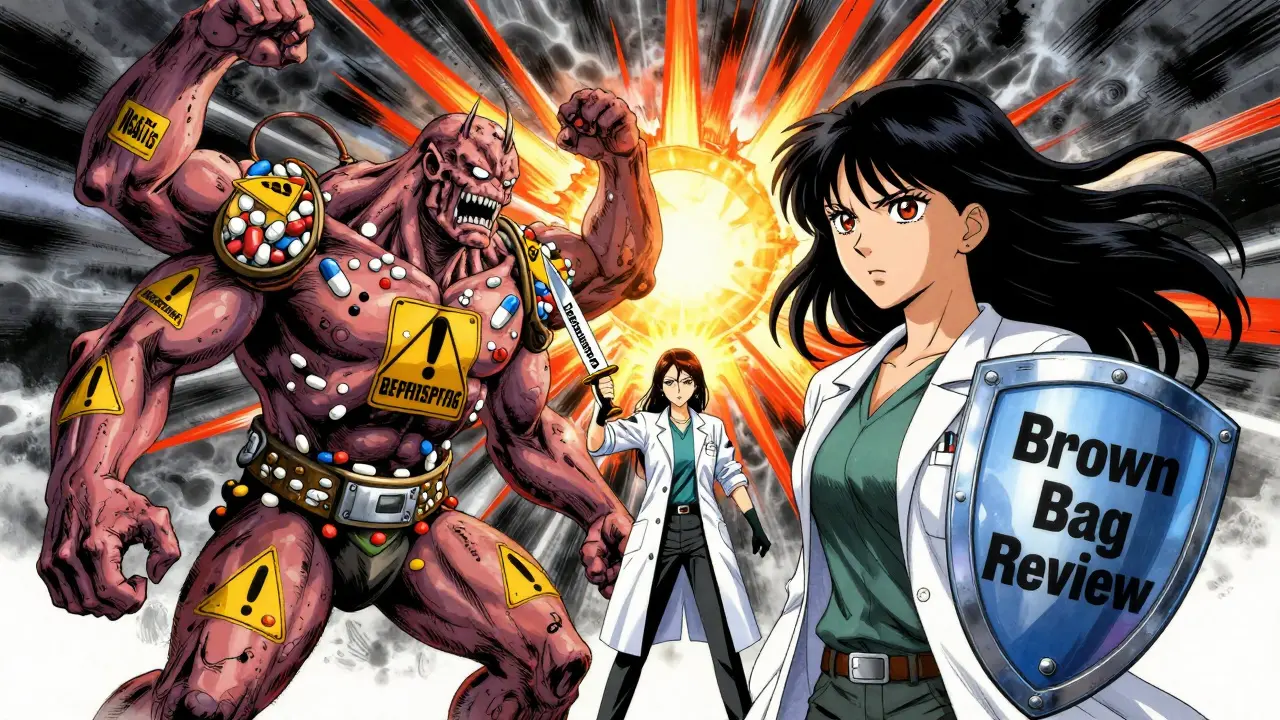
- Bring all your meds to every appointment. Call it a “brown bag review.”
- Use a pill organizer with alarms-but don’t rely on it alone. Double-check labels.
- Ask: “Can this be stopped?” “Is there a cheaper or safer version?” “What happens if I don’t take it?”
- Get a medication therapy review from your pharmacist. Medicare Part D requires it if you have multiple chronic conditions.
- Don’t be afraid to get a second opinion. Especially if you’ve been on the same meds for years.
The National Institute on Aging says 81% of medication errors are reduced with a pill organizer and regular reviews. That’s not magic-that’s just being smart.
The Bigger Picture: Why This Matters
Post-menopausal women make up nearly half of all Americans over 50. We spend more on healthcare than men our age. And yet, most guidelines were written for men-or for younger women. We’re not an afterthought. We’re the largest group facing complex, overlapping health issues.The FDA now requires drug labels to include menopause-specific warnings. Researchers are using AI to catch dangerous drug combinations before they’re prescribed. Pharmacogenomics is starting to test how your genes affect how you metabolize tamoxifen, statins, and antidepressants. These aren’t future ideas-they’re happening now.
But technology won’t fix a broken system. Only you can speak up. Only you can ask the right questions. Only you can insist on a plan that fits your life, not just your chart.
Can I still take hormone therapy after 60?
Hormone therapy after 60 is generally not recommended for long-term use unless you have severe, disabling hot flashes that haven’t responded to other treatments. The risks of stroke, blood clots, and breast cancer rise significantly after age 60 or more than 10 years after menopause. If you’re considering it, transdermal estrogen at the lowest effective dose is the safest option. Always discuss your personal risk factors with your doctor.
Are natural remedies safer than prescription meds?
Not necessarily. Many herbal supplements-like black cohosh, red clover, or soy-isoflavones-have little scientific proof of effectiveness. Worse, they can interact with your prescriptions. For example, black cohosh can damage the liver, especially if you’re already on statins or thyroid meds. Soy may interfere with tamoxifen in women with a history of breast cancer. There’s no regulatory oversight for supplements, so you don’t know what’s really in them. Always tell your doctor what you’re taking.
Why do I keep forgetting to take my meds?
It’s not just memory. As you age, your brain processes information slower. Medication schedules get complicated. You might be taking pills for arthritis, blood pressure, depression, and osteoporosis-all at different times. Depression and anxiety, which are common after menopause, also make it harder to stick to routines. Pill organizers help, but so does simplifying your regimen. Ask your doctor if you can switch to once-daily versions or combination pills. And don’t be ashamed to ask for help from family or a home care aide.
Is aspirin still recommended for heart health after menopause?
Aspirin is no longer routinely recommended for healthy women over 60 to prevent heart attacks or strokes. While it reduces ischemic stroke risk by about 24%, it increases the chance of dangerous bleeding in the stomach or brain by 58% in women over 65. The American Heart Association now says only women with a high risk of heart disease-like those with diabetes, high blood pressure, or a strong family history-should consider low-dose aspirin, and only after a detailed risk-benefit discussion with their doctor.
How often should I have my medications reviewed?
At least once a year. But you should also schedule a review after any hospital stay, if you start or stop any new medication (even over-the-counter ones), or if you notice new side effects like dizziness, confusion, or unexplained bruising. Medicare Part D requires a medication therapy management session annually if you have multiple chronic conditions. Don’t wait for them to call you-ask for it.
Next Steps: What to Do Right Now
1. **Make a list** of every medication and supplement you take. Include doses and why you take them. 2. **Schedule a brown bag review** with your pharmacist or primary care provider. Bring everything in a bag-even the empty bottles. 3. **Ask three questions**: Is this still necessary? Is there a safer alternative? What happens if I stop? 4. **If you’re on hormone therapy**, ask whether a patch is better than a pill. 5. **If you’re taking five or more meds**, ask about deprescribing. Don’t assume everything you’ve been on for years is still needed.Your health doesn’t get simpler after menopause-but you can make it safer. You just have to speak up, stay informed, and demand a plan that works for your life-not just your chart.