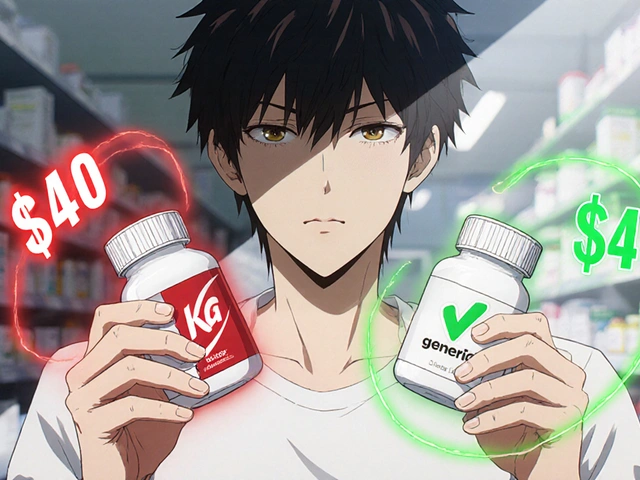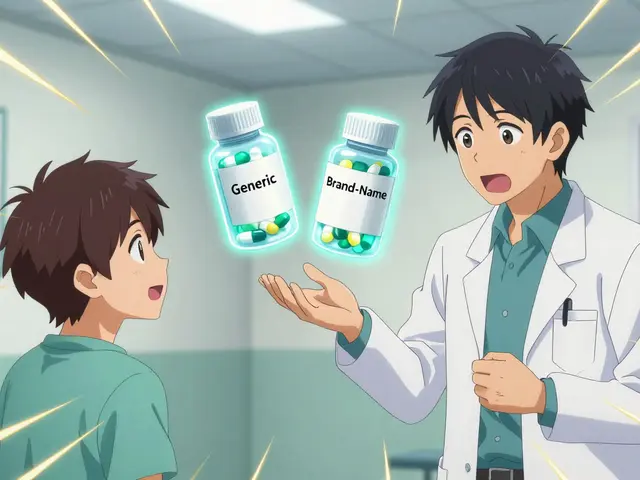

When a patient walks out of the office with a new prescription, they’re not just getting a pill-they’re getting a promise. A promise that it will work. That it’s safe. And that they can afford it. But too often, that promise breaks before they even get to the pharmacy. Why? Because they’re told to take a brand-name drug that costs $150 a month, when a generic version does the exact same thing for $12. And no one explained that.
The truth is, generic medications are not second-rate. They’re not cheaper because they’re worse. They’re cheaper because they don’t need to pay for ads, fancy packaging, or years of marketing. The FDA requires them to have the same active ingredient, strength, dosage form, and route of administration as the brand-name drug. They must also prove they’re bioequivalent-meaning they work in the body at the same rate and to the same extent. That’s not a guess. That’s science. And it’s backed by data from over 1.4 billion prescriptions.
Yet, patients still hesitate. They ask, “Why does this pill look different?” or “Is this going to work like the one I used to take?” And when they don’t get a clear answer, they stop taking it. The numbers don’t lie: patients are 266% more likely to abandon a brand-name drug than a generic one, simply because of cost. A 2019 study found that 90% of generic copays were under $20. For brand-name drugs? Only 39% were. That’s not just a price difference-it’s a barrier to health.
Why Providers Are the Missing Link
Pharmacists can explain the science. Insurance plans can make generics cheaper. But only one person can turn that science into trust: the provider.
Patients don’t trust the FDA. They don’t trust the pharmacy benefit manager. They trust their doctor. Or their pharmacist. That’s why provider advocacy isn’t optional-it’s essential. A 2015 review in PMC showed that even when patients have negative beliefs about generics, they’ll override those doubts if their doctor endorses the switch. It’s not about convincing them. It’s about confirming what they already feel: that you have their back.
Here’s what that looks like in practice:
- “I know you’ve been on this brand for a while, but there’s a generic version that’s been approved by the FDA and works the same way. It’s about 85% cheaper. Let’s try it.”
- “This pill might look different, but the medicine inside is identical. The color or shape changed because the manufacturer used different inactive ingredients. That doesn’t affect how it works.”
- “If you’ve had trouble with generics before, tell me. We can find one that matches your needs.”
These aren’t scripts. They’re conversations. And they take time. But that time pays off. Patients who understand why they’re switching are more likely to stick with the medication. They’re less likely to call in panic because their pill changed color. And they’re far less likely to stop taking it altogether.
The Cost of Silence
Not talking about generics isn’t neutral. It’s costly.
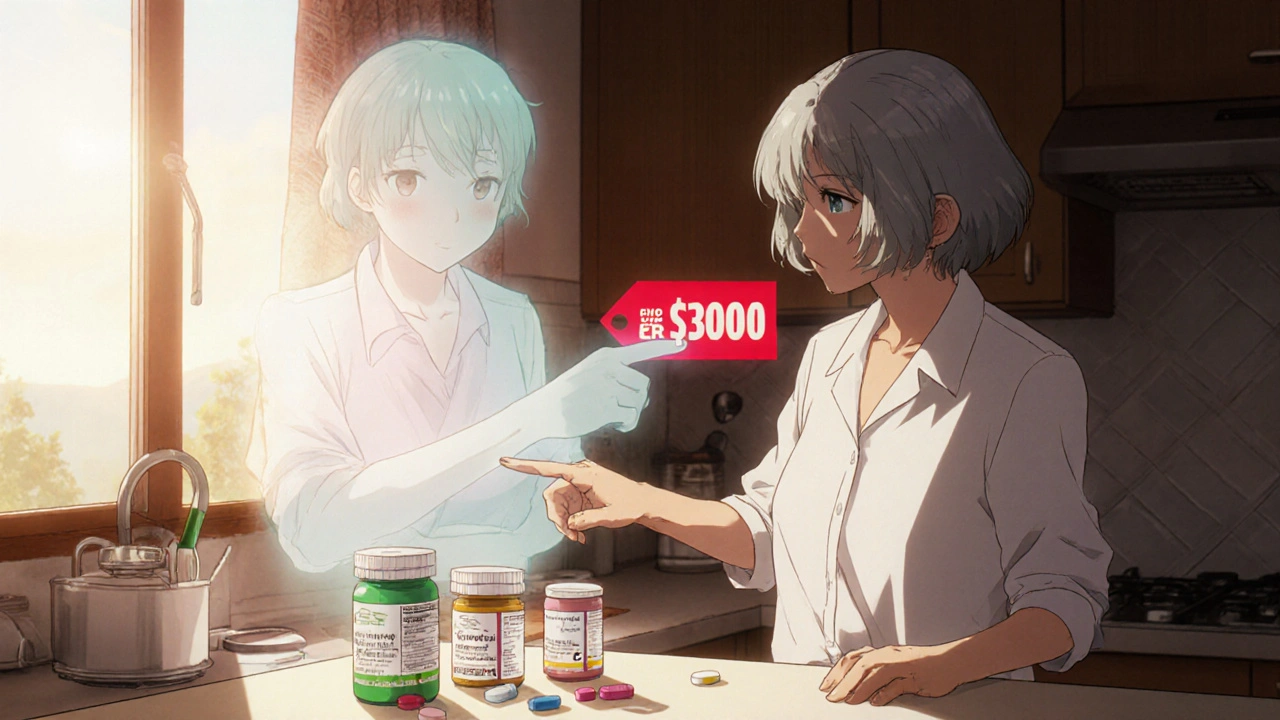
One patient I worked with-a 68-year-old with high blood pressure-stopped taking her medication after her generic was switched three times in one year. She didn’t know why the pill looked different each time. She thought maybe the new one wasn’t real. She didn’t say anything until her blood pressure spiked. By then, she’d missed three months of treatment. Her ER visit cost over $3,000. The medication? A $12 generic.
That’s not rare. It’s routine.
And it’s preventable. The American College of Physicians made it clear in 2022: doctors should prescribe generics whenever possible. That’s not a suggestion. It’s a standard of care. Especially when the patient is paying out of pocket. When a patient can’t afford their meds, the problem isn’t their willpower. It’s the system. And providers are the ones who can fix it.
When Generics Aren’t the Answer
Not every drug can be swapped. Some medications have a narrow therapeutic index-meaning the difference between a helpful dose and a dangerous one is very small. Think warfarin, levothyroxine, or certain seizure drugs. For these, switching between brands and generics can be risky if not monitored closely.
The American Academy of Family Physicians is right to oppose mandatory substitution for these drugs. But that doesn’t mean we avoid generics entirely. It means we choose wisely. And we talk about it.
If a patient needs a brand-name drug because of their condition, say so. “This one is different. We’re using the brand because your body responds better to it, and the difference matters here.” That’s honest. And it builds trust.
The problem isn’t generics. The problem is silence.
What’s Really Holding Us Back?
Time. That’s the real barrier.
Primary care visits average 13 to 16 minutes. There’s no room for long lectures. But you don’t need a lecture. You need one clear sentence.
“This generic works just like your old one, and it’ll save you $120 a month.”
That’s it. That’s all it takes to start the conversation. And if the patient has questions? Let them ask. Answer them. Even if it takes 30 extra seconds.
Pharmacists can help, too. Many now offer counseling when a generic is dispensed. But they can’t fix what the prescriber didn’t explain. The best outcomes happen when the provider and pharmacist are on the same page. That means writing “dispense as written” only when necessary. Otherwise, let the pharmacy substitute. Then follow up.

The Bigger Picture
Generics make up 90% of all prescriptions filled in the U.S. But they cost only 23% of the total drug spending. That’s not a fluke. That’s the power of competition. When a brand loses its patent, prices drop to about 15% of the original within a year. That’s how the system is supposed to work.
But now, some generics are getting expensive again. In early 2023, the American Society of Health-System Pharmacists warned that shortages and price spikes are making even generics unaffordable for certain essential drugs. That’s a new challenge. It means provider advocacy now includes checking prices-not just prescribing generics, but asking: “Is this generic still the best option?”
Electronic health records are starting to show real-time cost data at the point of prescribing. That’s a game-changer. You’ll see: “This brand costs $140. The generic costs $8. Same effect.” That’s not just data. It’s a decision-making tool. And it’s up to you to use it.
What Patients Really Want
Patients don’t care about patents or bioequivalence studies. They care about feeling better. And not going broke.
They want to know you’re not just writing a prescription-you’re protecting them. From cost. From confusion. From harm.
When you say, “This generic is safe, effective, and will save you money,” you’re not just prescribing medicine. You’re prescribing dignity. You’re saying, “I see your struggle. And I’m not going to make it worse.”
That’s patient advocacy. And it starts with a simple conversation.