
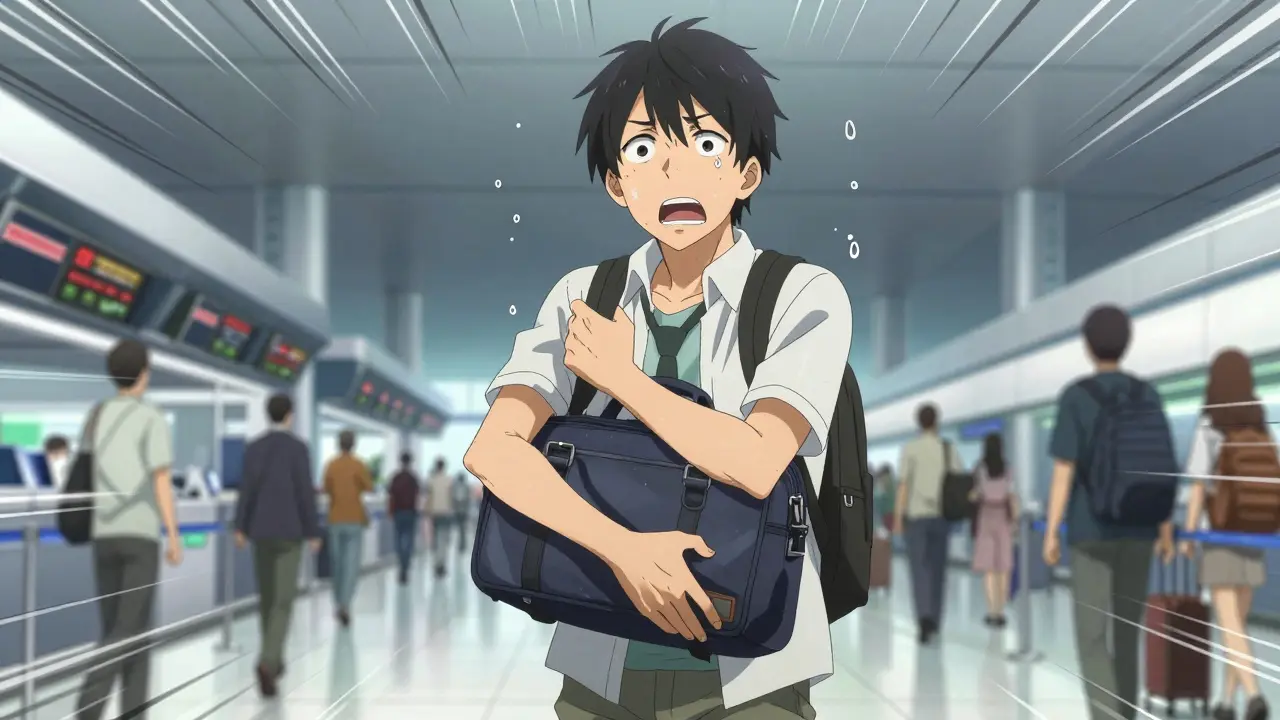
Imagine you are standing in a busy airport terminal in Tokyo or a clinic in Paris, realizing your carry-on bag is gone. Inside that bag was your insulin, your blood pressure medication, or perhaps your daily anxiety pills. The panic sets in immediately. You cannot just walk into any local pharmacy and ask for a refill using your U.S. prescription. In fact, trying to do so might get you arrested in some countries.
Losing or having your medications stolen while traveling is one of the most stressful scenarios a traveler can face. It happens more often than you think. According to statistics from the International Air Transport Association (IATA), 1 in 150 checked bags are mishandled annually. If you pack your meds in checked luggage, you are already playing with fire. But even if they are stolen from your hotel room or lost during transit, the solution isn't as simple as calling your doctor back home and asking them to email a script to the local pharmacist.
This guide breaks down exactly what to do when your medications go missing while abroad. We will cover immediate actions, how to navigate foreign pharmacy laws, the role of travel insurance, and how to prevent this nightmare before you even leave home.
Immediate Actions: Secure Your Safety First
Your first instinct might be to run to the nearest pharmacy. Stop. Do not do that yet. Before you seek a replacement, you need to establish a paper trail and ensure your physical safety.
If your medications were stolen, you must file a police report immediately. This is non-negotiable if you plan to claim reimbursement from travel insurancea policy that covers medical emergencies and theft while traveling. Most insurers require an official police report within 24 hours of the incident. Without it, your claim will likely be denied. Keep a copy of this report on your phone and in a separate location.
If your medications were lost due to airline baggage issues, contact the airline's baggage service office at the airport before you leave the premises. Under IATA Resolution 701, airlines typically require you to file a Property Irregularity Report (PIR) within 24 hours for delayed or lost bags. For theft claims involving baggage, you generally have up to 21 days to file, but acting fast speeds up the process.
Once the administrative side is handled, assess your health risk. Are these life-sustaining medications like insulin or epinephrine? Or are they for chronic conditions like hypertension or depression? If you are feeling unwell or experiencing withdrawal symptoms, seek emergency medical attention immediately rather than waiting for a pharmacy appointment.
Why You Cannot Use Your U.S. Prescription Overseas
Many travelers assume their U.S. prescription is valid globally. It is not. In fact, 89% of countries surveyed by the International Pharmaceutical Federation (FIP) prohibit pharmacies from filling prescriptions issued outside their borders. This rule exists because drug regulations, dosing standards, and brand names vary wildly between nations.
For example, a medication called "Tylenol" in the United States is known as "Paracetamol" in the UK and many other parts of the world. Even generic names can differ. More importantly, a local pharmacist in France or Japan cannot verify the authenticity of a prescription from a doctor in Oregon without risking their license.
This creates a bottleneck. To get a legal replacement, you usually need a new prescription from a licensed physician in the country you are visiting. This is where preparation becomes critical. If you did not bring a letter from your doctor, you are starting from zero.
The Power of Documentation: What to Have Ready
If you are reading this after losing your meds, check your digital files. Did you save a photo of your prescription bottle? Did you bring a letter from your doctor? These documents are your lifeline.
A study published in the Journal of Travel Medicine found that travelers without prescription copies or physician letters faced delays 3.7 times longer than those with proper documentation. Here is what you should ideally have:
- A Physician Letter: A signed letter from your doctor explaining your medical condition, listing all medications by their generic names (not just brand names), and stating the dosage and frequency. This letter should also confirm that the medications are prescribed to you personally.
- Photos of Prescriptions: Clear images of the front and back of every prescription bottle. Ensure the label shows your name, the doctor's name, the pharmacy, and the drug details.
- Copies of Original Scripts: Digital or physical copies of the actual prescription orders.
If you don't have these, contact your prescribing physician immediately. Explain the situation. Ask them to fax or email the prescription details to a local clinic or hospital where you plan to visit. Note that 37% of U.S. physicians report being unavailable for same-day emergency consultations, so call early in the day.
Navigating Local Pharmacies and Doctors
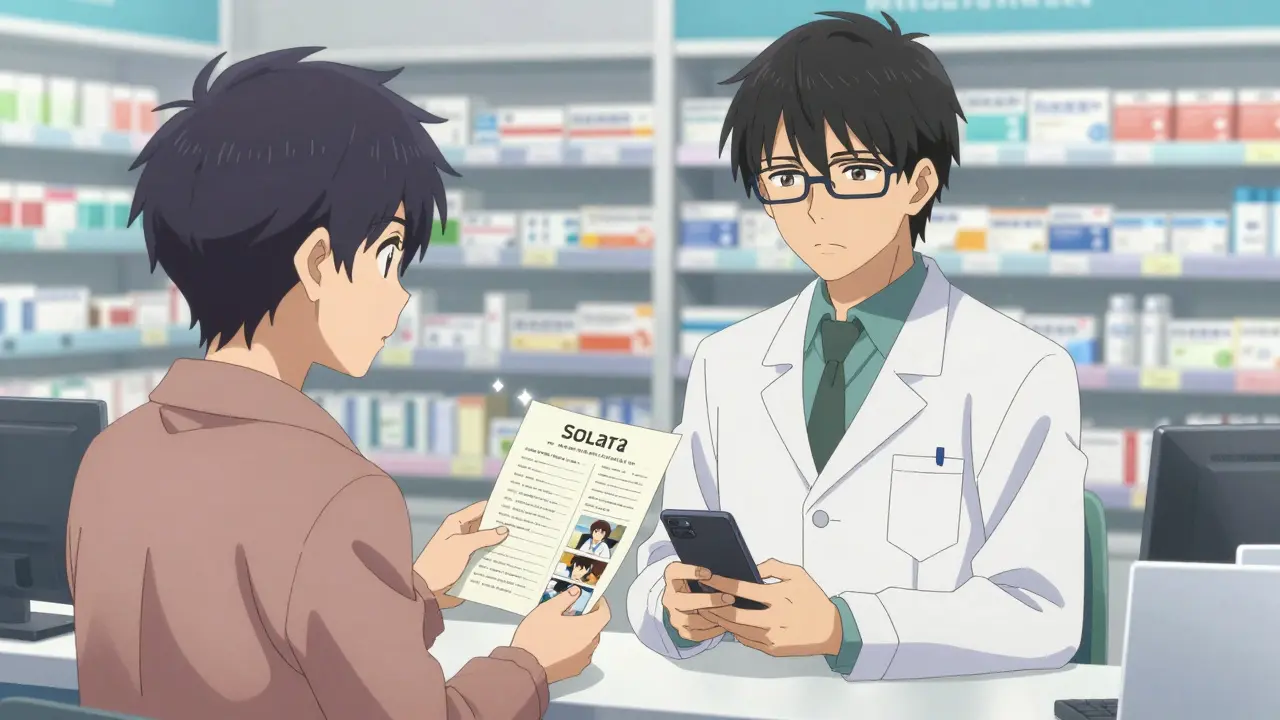
Once you have your documentation, you need to find a local healthcare provider. You cannot simply walk into a retail pharmacy chain like Boots or CVS Europe and expect a refill. You typically need a consultation.
Here is the step-by-step process for getting a new prescription:
- Find a Clinic or Hospital: Look for a general practitioner (GP) or a travel medicine clinic. In many European countries, you can walk into a public health center. In Asia, private clinics are often faster and more English-friendly.
- Present Your Case: Show the doctor your physician letter, photos of the bottles, and your police report if applicable. Be honest about why you need the medication.
- Undergo a Consultation: According to the American Medical Association, 76% of international physicians require an in-person consultation before prescribing unfamiliar medications to travelers. They need to check your vitals and ensure the medication is safe for you in this specific context.
- Get a Local Prescription: The local doctor will write a new prescription valid in that country. Take this to a local pharmacy.
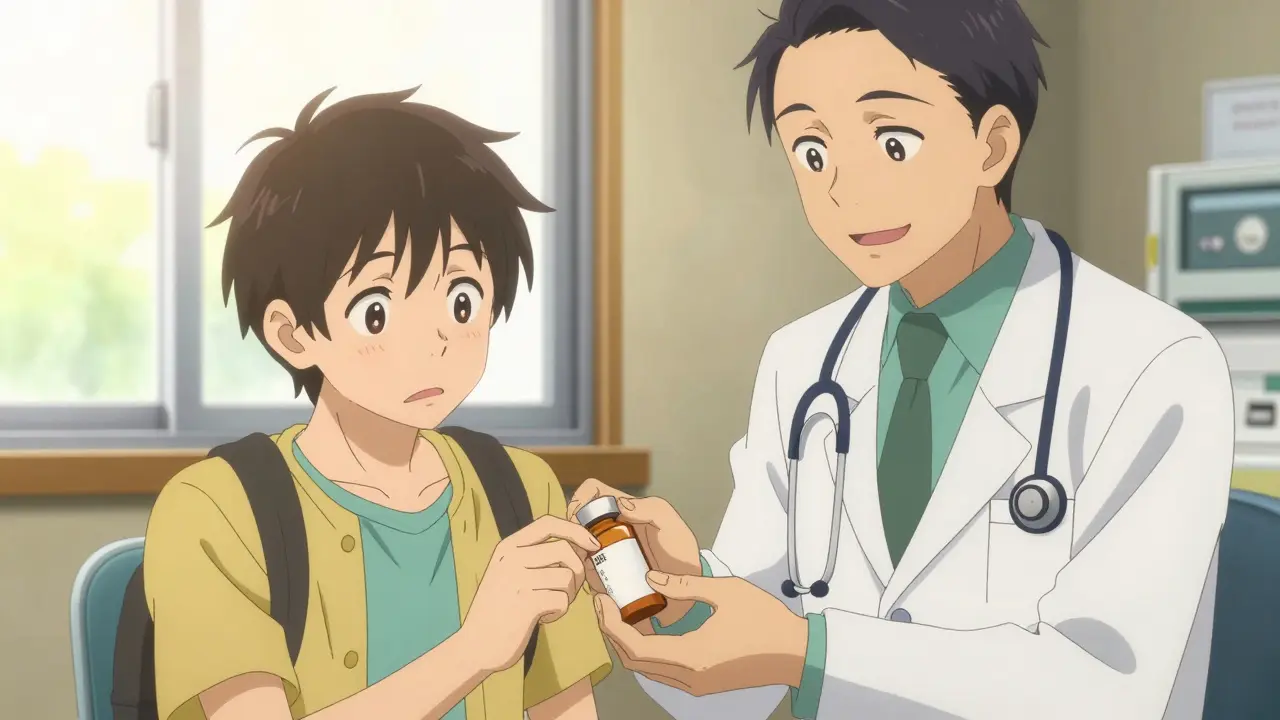
Be aware that the medication you receive might look different. The pill color, shape, or brand name may change, even if the active ingredient is the same. Always verify the generic name with the pharmacist.
Special Rules for Controlled Substances
If your lost medications include controlled substances like Adderall, Ritalin, OxyContin, Vicodin, or Xanax, the situation is significantly more complex. These drugs are classified as Schedule II controlled substances under U.S. federal law and are strictly regulated worldwide.
You cannot get a refill for these medications anywhere, even domestically in the U.S., without a new written prescription. Overseas, many countries ban these substances entirely or classify them as illegal narcotics. For instance, pseudoephedrine (common in cold meds) is strictly controlled in Thailand under the Narcotics Act, and codeine requires a prescription in the U.S. but is over-the-counter in the UK.
If you rely on controlled substances, you must have carried multiple backup supplies and extensive documentation from the start. Replacing them abroad often requires approval from national health ministries or special permits, which can take days or weeks. In such cases, contacting your embassy or consulate is crucial. They can provide lists of approved local doctors who specialize in treating foreigners with complex medication needs.
Using Travel Insurance and Telehealth Services
This is where your travel insurance pays for itself. Don't try to navigate this alone. Call the assistance number on your insurance card immediately.
Companies like Allianz Travel Insurance offer 24/7 support in over 170 countries. Their assistance teams can connect you directly with local medical providers who speak your language and understand the urgency. They can verify your prescription with your home doctor and arrange appointments. According to data from UHC SafeTrip, 78% of travelers successfully obtain necessary medications within 24 hours when using insurance assistance, compared to only 42% who try to handle it independently.
If your insurance doesn't cover medical assistance, consider telehealth services. Platforms like MyUSADr allow U.S. travelers to consult with U.S.-licensed physicians via video. These doctors can prescribe non-controlled substances electronically. However, remember that federal regulations still prohibit telehealth prescribing of controlled substances, so this option has limits.
Also, check your policy's coverage limits. About 68% of comprehensive travel insurance plans include prescription medication replacement coverage, with average limits of $500-$1,000 per incident. Basic medical plans often exclude this benefit, so read the fine print.
Beware of Counterfeit Medications
When replacing medications abroad, especially in regions with less stringent pharmaceutical regulations, be cautious. The World Health Organization estimates that counterfeit drugs cause approximately 500,000 deaths annually worldwide. In some parts of Southeast Asia and Africa, 10-30% of medications may be counterfeit.
Never buy medications from street vendors, unofficial online sources, or pharmacies that do not require a prescription for controlled drugs. Stick to reputable, licensed pharmacies recommended by your insurance provider or local hospitals. Inspect the packaging for spelling errors, poor printing quality, or unusual textures in the pills. If something looks off, do not take it.
Prevention: How to Avoid Losing Meds Next Time
The best way to handle lost medications is to never lose them in the first place. Here are practical tips to secure your supply:
- Carry-On Only: Never pack essential medications in checked luggage. Keep them in your carry-on bag or on your person. IATA statistics show that checked bags are far more likely to be lost or delayed.
- Split Your Supply: If you are traveling with a partner, split your medication supply between two bags. If one bag goes missing, you still have half your dose.
- Seven-Day Buffer: Maintain at least a seven-day extra supply of medications beyond your trip duration. This gives you time to resolve issues if you lose some stock.
- Original Containers: Keep medications in their original containers with pharmacy labels. 63% of countries require this for entry verification. Blister packs or unlabeled bottles can lead to customs seizures.
- Digital Backups: Use apps like Medisafe to store digital copies of your prescriptions. While only 17% of countries accept digital prescriptions as primary documentation, having them accessible on your phone is better than nothing.
- Temperature Control: For temperature-sensitive meds like insulin, use portable cooling devices. Extreme temperatures can ruin efficacy, rendering your backup useless.
| Scenario | Difficulty Level | Key Requirement | Average Cost (USD) |
|---|---|---|---|
| Western Europe | Low-Medium | Physician Letter + Local GP Visit | $75 - $150 |
| Southeast Asia | High | Police Report + Private Clinic | $40 - $90 |
| Latin America | Medium-High | Insurance Assistance Recommended | $120 - $200 |
| Controlled Substances | Very High | Embassy Help + Special Permits | Variable / Often Unavailable |
Summary of Steps
Replacing lost or stolen medications abroad is challenging but manageable if you stay calm and follow a structured approach. File a police report for theft or a baggage claim for loss. Contact your travel insurance assistance team immediately to leverage their local networks. Gather all possible documentation, including physician letters and prescription photos. Visit a local licensed clinic for a new prescription, understanding that you may receive a different brand or formulation. Finally, avoid counterfeit risks by sticking to reputable pharmacies.
For future trips, invest in comprehensive travel insurance that includes medical assistance. Carry medications in your carry-on, keep backups, and always travel with a detailed letter from your doctor. Preparation is your best defense against medical emergencies on the road.
Can I use my US prescription in another country?
Generally, no. Most countries do not recognize foreign prescriptions. You will likely need to see a local doctor who can issue a new prescription valid in that jurisdiction. Bring a letter from your US doctor to facilitate this process.
What should I do if my controlled substance medication is stolen?
File a police report immediately. Contact your embassy or consulate for assistance, as controlled substances are heavily regulated. You may need special permits to replace them. Do not attempt to buy them from unofficial sources, as this can lead to arrest.
Does travel insurance cover replacing lost medications?
Many comprehensive travel insurance plans do cover prescription replacement costs, often with limits of $500-$1,000. Check your policy details. Basic plans may exclude this benefit. Using the insurance company's 24/7 assistance line can speed up the replacement process significantly.
How long does it take to replace medication abroad?
With proper documentation and insurance assistance, many travelers obtain replacements within 24 hours. Without assistance or documentation, it can take several days, especially if you need to schedule a doctor's appointment and wait for lab results or approvals.
Is it safe to buy medication from local pharmacies abroad?
Reputable, licensed pharmacies are generally safe. However, be wary of counterfeit drugs, particularly in regions with weaker regulatory oversight. Always buy from established pharmacies recommended by your insurance provider or local hospitals, and inspect packaging carefully.