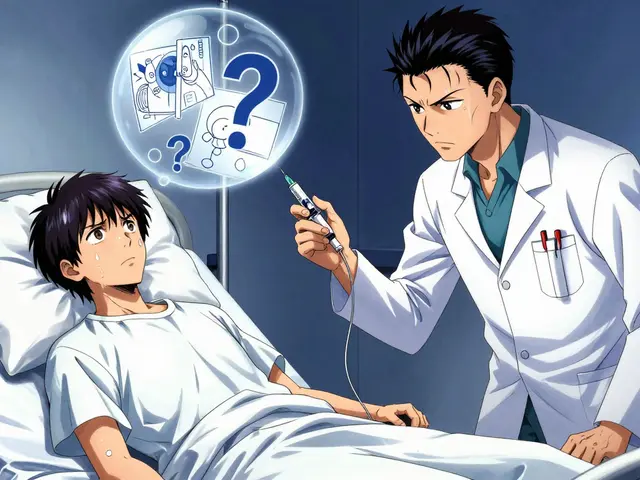

Imagine you just spent twenty minutes explaining how to use an insulin pen to a patient with newly diagnosed Type 2 diabetes. You show them the steps clearly. They nod and say they understand. A week later, their blood sugar levels are dangerously high because they skipped a crucial step. This scenario highlights a massive gap in patient education, which is the process of helping patients acquire knowledge and skills to manage their health conditions effectively. The problem isn't always the teaching; it's often how we measure if the learning actually stuck.
In healthcare, we often assume that giving information equals understanding. But measuring education effectiveness requires tracking generic understanding, defined as the ability of a patient to apply core health concepts across different situations and contexts. It’s not just about memorizing drug names or dosages. It’s about whether a patient can recognize symptoms, navigate insurance forms, or adjust their diet when sick. Without proper measurement tools, providers are flying blind, assuming compliance where there might be confusion.
The Core Problem: Why Traditional Checks Fail
Most clinical interactions rely on quick verbal checks like "Do you have any questions?" or "Is this clear?" These methods are flawed because patients rarely admit they don’t understand due to embarrassment, fear of judgment, or low health literacy, which refers to the degree to which individuals have the capacity to obtain, process, and understand basic health information needed to make appropriate health decisions. According to data from the National Institutes of Health (NIH), traditional performance measures often fail to capture intangible variables like a patient's confidence, values, or beliefs about their illness.
When we only look at surface-level agreement, we miss the deeper gaps in generic understanding. For example, a patient might know what "hypertension" means but not understand how stress affects their blood pressure readings at home. This disconnect leads to poor adherence rates and higher readmission costs. To fix this, we need to move beyond simple recall tests and adopt systematic assessment methodologies that evaluate actual behavior and competency.
Direct vs. Indirect Measures: Getting Real Data
To accurately track generic understanding, educators and clinicians must distinguish between direct and indirect assessment methods. Direct measures provide concrete evidence of what a patient knows and can do. Indirect measures offer insights into perceptions and attitudes but lack behavioral proof.
| Method Type | Examples in Healthcare | Strengths | Limitations |
|---|---|---|---|
| Direct Measures | Teach-back method, medication demonstration, simulated scenarios | Provides objective evidence of skill acquisition and knowledge retention | Time-consuming; requires trained staff to observe and score |
| Indirect Measures | Patient satisfaction surveys, self-reported confidence scales, focus groups | Easy to administer; captures emotional and perceptual data | Subjective; does not prove actual competence or behavior change |
Direct assessments, such as the teach-back method, a communication technique where patients explain back to the provider what they understood in their own words, are powerful because they reveal immediate gaps. If a patient cannot demonstrate how to inject themselves correctly, you know instantly that re-education is needed. Indirect measures, like post-visit surveys, tell you if the patient felt respected or heard, but they don't confirm if they can actually manage their condition. A balanced approach uses mostly direct assessments for critical safety skills, supported by indirect measures to gauge patient engagement and trust.
Formative vs. Summative Assessments in Clinical Settings
Timing matters just as much as the method. In educational theory, assessments are split into formative and summative categories. Applying this to patient care changes how we monitor progress over time.
Formative assessments are ongoing evaluations used during the learning process to provide feedback and improve understanding before final mastery is expected. In a clinic, this looks like checking a patient’s understanding after each new piece of information is introduced. For instance, after explaining a new diet plan, ask the patient to list three foods they will avoid today. This provides real-time feedback. If they get it wrong, you correct them immediately. Cornell University’s Center for Teaching Innovation notes that these ongoing checks prevent misconceptions from solidifying.
Summative assessments are evaluations conducted at the end of an instructional period to determine overall proficiency and learning outcomes. For a patient, this might be a follow-up appointment weeks later where you review their lab results or observe their long-term adherence. While summative assessments tell you if the education program worked overall, they don't help you adjust your teaching style in the moment. Relying solely on summative checks means you only discover failure after harm has occurred.
Criterion-Referenced vs. Norm-Referenced Approaches
Another critical distinction lies in what you compare the patient against. Are you measuring them against other patients, or against a fixed standard of care?
Criterion-referenced assessments evaluate performance against specific, predefined standards regardless of how others perform. In patient education, this is the gold standard. Did the patient meet the criteria for safe medication handling? Yes or no. This approach identifies specific learning gaps relative to grade-level or clinical expectations. Prodigy Game explains that this method is superior for identifying individual needs because it doesn't penalize a patient for being compared to a more literate peer group.
In contrast, norm-referenced assessments compare a patient’s performance to the average population. This is rarely useful in clinical settings. Knowing that a patient understands less than 80% of their peers doesn't help you teach them better. It only highlights inequality. Effective patient education programs should focus on criterion-referenced goals: ensuring every patient reaches a minimum threshold of understanding required for safe self-care, regardless of their starting point.

Implementing Holistic Assessment Strategies
No single tool captures the full picture of generic understanding. UNESCO advocates for holistic assessment strategies that include creativity, problem-solving, and real-world application. In healthcare, this means looking beyond test scores to see how patients integrate information into their daily lives.
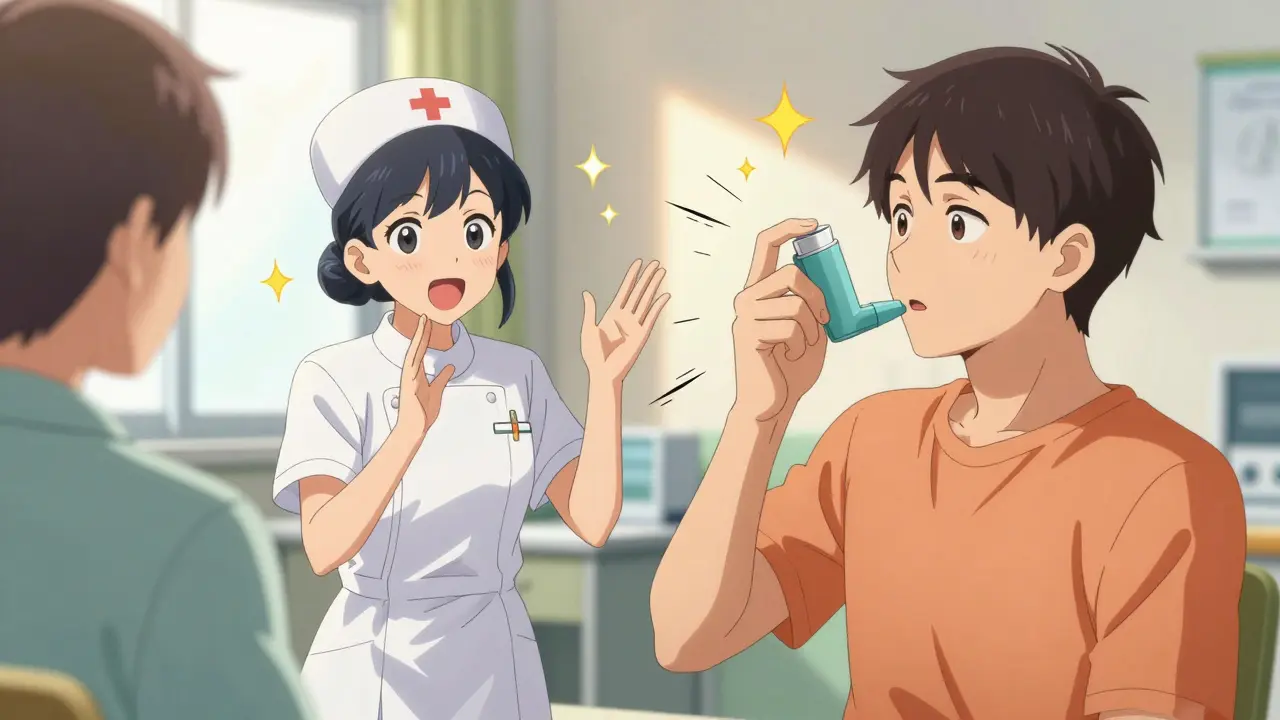
Practical implementation starts with defining clear objectives. What exactly do you want the patient to be able to do? If the goal is asthma management, the outcome isn't just knowing what an inhaler is. It's demonstrating the ability to trigger the device correctly during a mild attack simulation. The University of Northern Colorado suggests using a three-tiered framework:
- Diagnostic: Assess prior knowledge before starting education (e.g., "What do you currently know about cholesterol?").
- Formative: Provide ongoing feedback during sessions (e.g., asking patients to summarize key points on an index card).
- Summative: Evaluate final outcomes through follow-ups (e.g., reviewing lipid panel results after three months).
This multi-method approach ensures you catch both knowledge gaps and behavioral barriers. It also respects the diverse contexts patients live in. A busy parent may understand the medical advice perfectly but lack the time to implement it. Indirect measures like interviews can uncover these logistical hurdles that direct tests miss.
Overcoming Implementation Challenges
Despite the benefits, many healthcare providers struggle to implement robust assessment systems. Faculty Focus reports that coordinating access to student work-or in our case, patient records-requires significant administrative support. Many clinics lack the IT infrastructure to track longitudinal patient education data easily.
Additionally, time constraints are a major barrier. Using minute papers or detailed rubrics takes longer than a quick verbal check. However, studies show that investing time upfront saves resources later. K-12 educators report that implementing simple exit tickets reduced the need for major reteaching by 40%. In healthcare, this translates to fewer emergency visits and hospital readmissions. The initial investment in training staff to use direct assessment techniques pays off through improved patient outcomes and reduced liability risks.
Technology is also changing the landscape. With the rise of AI-powered adaptive assessments, providers can soon expect tools that personalize education paths based on real-time understanding metrics. Until then, sticking to proven methods like teach-back and structured observation remains the most reliable way to ensure patients truly grasp their health conditions.
What is the difference between direct and indirect measures in patient education?
Direct measures provide objective evidence of a patient's knowledge or skills, such as observing them demonstrate a procedure or using the teach-back method. Indirect measures rely on self-reporting, such as surveys or interviews, which capture perceptions and attitudes but do not prove actual competence.
Why is the teach-back method considered a direct measure?
The teach-back method is a direct measure because it requires the patient to actively demonstrate their understanding by explaining information back to the provider in their own words. This reveals immediate gaps in comprehension that passive listening cannot detect.
How do formative assessments differ from summative assessments in healthcare?
Formative assessments occur during the learning process to provide ongoing feedback and correct misunderstandings early. Summative assessments happen at the end of an educational period to evaluate overall proficiency and long-term adherence, such as through follow-up lab results.
What is generic understanding in the context of patient education?
Generic understanding refers to a patient's ability to apply core health concepts and skills across various situations, rather than just recalling specific facts. It includes problem-solving, navigating systems, and adapting behaviors to manage their health effectively in daily life.
Why are criterion-referenced assessments preferred over norm-referenced ones?
Criterion-referenced assessments measure performance against fixed standards of care, ensuring every patient meets necessary safety thresholds. Norm-referenced assessments compare patients to each other, which does not help identify individual learning gaps or ensure personal competency.