

Medication Stomach-Safety Guide
Select a medication class below to see how it affects your stomach and the proven strategies to reduce irritation.
Please select a medication class from the list to view the recommended precautions.
NSAID Precautions
Mitigation Strategies:
- Eat First: Take with a meal to reduce heartburn incidence by 40-50%.
- Pre-treat: Over-the-counter antacids 30 mins before can lower the impact by 30-40%.
- Consult MD: High-risk users may benefit from PPIs (like omeprazole).
Tetracycline Precautions
Mitigation Strategies:
- Hydrate: Drink a full 8oz glass of water to ensure the pill clears the esophagus.
- Stay Upright: Do not lie down immediately after dosing to avoid esophageal irritation.
- Water Intake: Water can reduce risk of esophagitis by up to 70%.
Calcium Blocker Precautions
Mitigation Strategies:
- Posture: Maintain an upright position for at least 30-60 minutes after dosing.
- Timing: Avoid taking the medication immediately before bed.
- Monitoring: Track triggers that exacerbate the LES relaxation.
Metformin Precautions
Mitigation Strategies:
- Patience: Symptoms typically resolve within 2 to 4 weeks.
- Consistency: Follow the prescribed titration schedule to let the body adjust.
- Consult MD: If symptoms persist beyond a month, discuss extended-release options.
Bisphosphonate Precautions
Strict Requirements:
- Mandatory Upright: Staying upright is non-negotiable for 30-60 minutes.
- Water Flush: Use plenty of water to ensure the drug enters the stomach immediately.
- Empty Stomach: These medications typically must be taken without food.
You take a pill to fix a problem, only to wake up with a burning chest or a churning stomach. It's a frustrating cycle. Whether it's a daily blood pressure pill or a short course of antibiotics, many pharmaceuticals trigger what doctors call gastroesophageal reflux disease (GERD) symptoms or direct irritation of the gut. In fact, about 15-20% of heartburn cases are caused by medications rather than the food you ate. The real danger isn't just the discomfort; it's that many people stop taking life-saving medicine because they can't handle the side effects.
Dealing with medication induced heartburn doesn't always mean you have to ditch your prescription. Often, the problem isn't the drug itself, but how it's interacting with your body or how you're taking it. By understanding why your stomach is reacting and using a few simple timing and posture tricks, you can usually keep the benefits of your medicine without the fire in your chest.
The Usual Suspects: Which Drugs Cause Stomach Issues?
Not all medications irritate the stomach in the same way. Some act like a chemical scrub on the lining of your throat, while others simply relax the "trapdoor" that keeps acid down.
NSAIDs is a group of non-steroidal anti-inflammatory drugs, including ibuprofen and aspirin, that reduce pain by blocking enzymes called COX-1. These are the most common culprits. They lower the prostaglandins that protect your stomach lining, which can increase the risk of ulcers from a baseline of 1-2% in non-users up to 30% in chronic users. If you use these frequently, your stomach isn't just "upset"; it's actually losing its protective shield.
Then there are the "pill esophagitis" triggers. Tetracycline antibiotics (like doxycycline) can get stuck in the esophagus, causing direct chemical burns. This happens to about 12% of people who don't drink enough water or lie down too soon after taking them.
Other common offenders include:
- Calcium channel blockers: Drugs like amlodipine relax the lower esophageal sphincter (LES), letting acid leak upward into the throat.
- Metformin: Used for diabetes, this often causes nausea and heartburn in 20-30% of new users, though this usually settles down after a few weeks.
- Bisphosphonates: These osteoporosis medications can cause severe esophageal injury if you don't stay strictly upright after dosing.
- Theophylline: Used for asthma, it can weaken the LES pressure by as much as 50%, making reflux almost inevitable for some.
| Medication Class | Primary Mechanism | Estimated Incidence | Risk Level |
|---|---|---|---|
| NSAIDs (Ibuprofen) | Reduced stomach lining protection | 20-30% | Moderate to High |
| Tetracyclines | Direct mucosal irritation | 12% | High (if misused) |
| Calcium Blockers | LES muscle relaxation | 10-20% | Moderate |
| Metformin | General GI irritation | 20-30% | Low (usually temporary) |
| Bisphosphonates | Severe caustic irritation | 5-10% | Very High |
Practical Solutions to Stop the Burn
You don't have to just "tough it out." Depending on the drug, a small change in your routine can cut the symptoms in half.
The Power of Food and Water
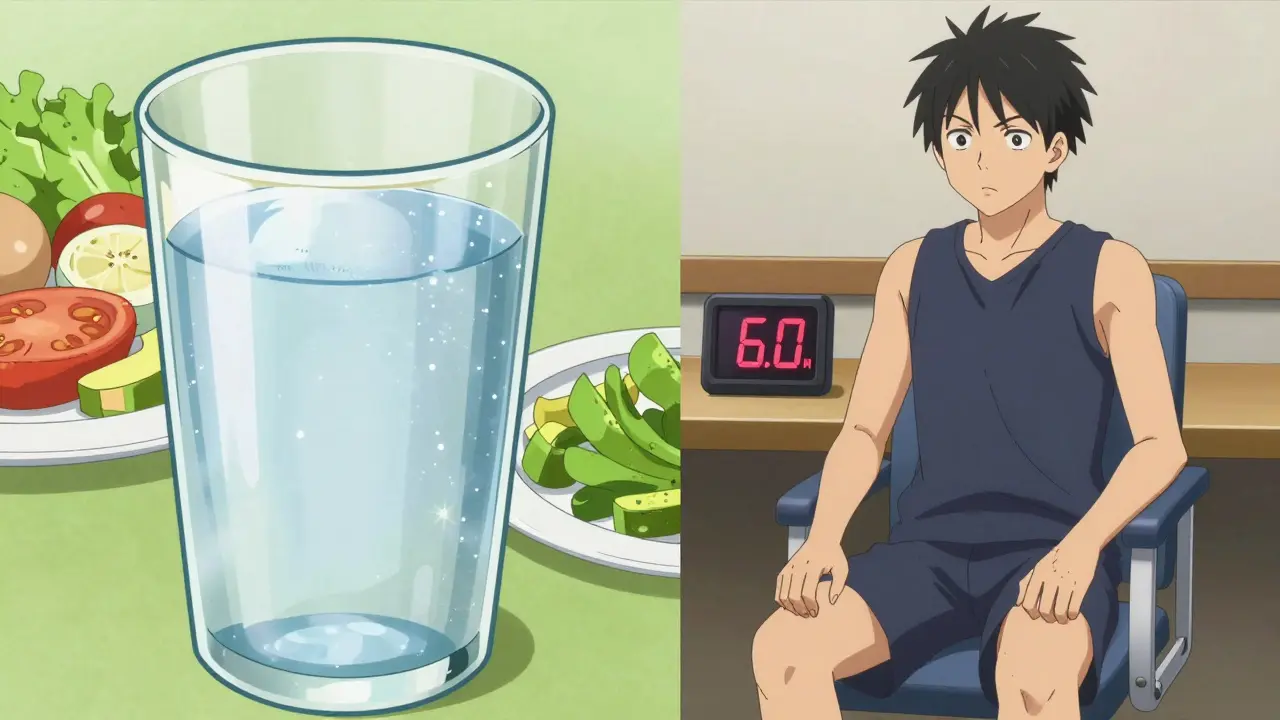
For NSAIDs, food is your best friend. Taking these pills with a meal can reduce heartburn incidence by 40-50%. However, be careful: some antibiotics and bisphosphonates must be taken on an empty stomach. If you're taking a tetracycline or a bisphosphonate, the key is water. A full 8oz glass of water ensures the pill clears the esophagus quickly, reducing the risk of esophagitis by up to 70%.
The 60-Minute Rule
Gravity is a powerful tool. If you take a pill and immediately lie down to nap or go to sleep, the pill can linger in your esophagus or acid can easily flow backward. Staying upright for 30 to 60 minutes after taking medication prevents 80-90% of pill-induced esophageal irritation. This is non-negotiable for drugs like alendronate, where lying down can lead to severe injury.
Smart Supplementing
If you know a medication always triggers a reaction, you can get ahead of it. Taking over-the-counter antacids about 30 minutes before an NSAID can lower the hit by 30-40%. For high-risk patients, doctors often suggest Proton Pump Inhibitors (PPIs) like omeprazole, which can slash the risk of NSAID-induced ulcers by as much as 80%.
When to Be Worried: Red Flags
Most medication-induced stomach issues are annoying but manageable. However, some signs mean you need to call your doctor immediately. Don't ignore these:
- Difficulty swallowing: If food feels like it's getting stuck, you may have developed an esophageal stricture (a narrowing of the tube).
- Chest pain: While heartburn feels like pain, sudden or severe chest pain in 5-10% of severe cases can indicate a deeper ulcer or tear.
- Blood in stool or vomit: This is a critical warning sign, particularly for chronic NSAID users, indicating internal bleeding.
One golden rule: Never stop a prescribed medication abruptly. For example, stopping beta blockers without a taper can cause a dangerous rebound effect in your heart rate and blood pressure. Always talk to your pharmacist or doctor about switching to a "delayed-release" version or a different class of drug if the side effects are unbearable.

The Future of Stomach-Friendly Meds
Medical tech is getting better at solving this. We're already seeing "delayed-release" versions of doxycycline that reduce esophageal exposure by nearly 50%. New NSAID coatings are also hitting the market that lower heartburn rates by about 35%.
Looking ahead, doctors are starting to use genetic testing to see if you have specific polymorphisms (like CYP2C9) that make you more prone to NSAID toxicity. This means instead of guessing, your doctor can know if you're part of the 15-20% of people who will react badly to a specific drug before you even take the first pill.
Can I just take an antacid every time I take my medication?
Not always. While antacids help with NSAIDs, they can interfere with the absorption of other drugs, such as certain antibiotics or blood pressure medications. Always check with your pharmacist to ensure your antacid doesn't stop your main medication from working.
Why does Metformin cause stomach issues, and will it stop?
Metformin affects how your gut absorbs glucose and interacts with the intestinal lining. For about 60-70% of people, these symptoms are temporary and resolve within 2 to 4 weeks as the body adjusts to the drug.
Is it safe to take ibuprofen with a meal to avoid heartburn?
Yes, taking NSAIDs with food is a highly effective strategy that can reduce heartburn incidence by 40-50% because food acts as a buffer for the stomach lining.
What is the difference between regular heartburn and pill esophagitis?
Regular heartburn is usually caused by acid splashing up from the stomach. Pill esophagitis is a direct chemical burn caused by a pill getting stuck in the lining of the esophagus. The latter is often more acute and can lead to ulcers if the pill isn't washed down properly.
How much water should I actually drink with my pills?
A full 8oz glass of water is the clinical standard. This provides enough fluid to ensure the pill travels all the way to the stomach and doesn't linger in the esophageal walls.
Next Steps for Relief
If you're struggling right now, start with these three steps:
- Audit your posture: Set a timer for 60 minutes after your last pill. Do not lie down until that timer goes off.
- Hydrate: Switch from a "sip of water" to a full glass of water with every dose.
- Consult your pharmacist: Ask if a "delayed-release" or "enteric-coated" version of your drug is available. These are designed to bypass the stomach or esophagus and release the medicine further down the GI tract.