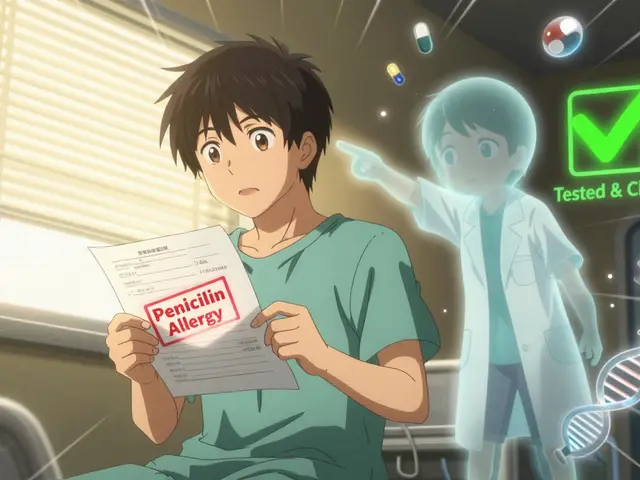

When you hear "drug allergy," you might think of a rash after taking penicillin. But that’s often not the full story. Many people carry a label like "allergic to penicillin" for years-even decades-based on a childhood rash or a vague family story. Yet 90% to 95% of those people aren’t truly allergic at all. That mislabeling isn’t just inconvenient; it’s dangerous. It leads to worse treatments, longer hospital stays, and higher risk of deadly infections like Clostridium difficile. Managing medication allergies isn’t about avoiding all drugs-it’s about knowing which ones are safe and which ones aren’t.
What Makes a Drug Allergy Real?
A true drug allergy is an immune system response. Your body sees a medication as an invader and attacks it. That’s different from a side effect. Nausea from an antibiotic? That’s not an allergy. A headache from a painkiller? Also not an allergy. True allergies involve symptoms like hives, swelling of the face or throat, trouble breathing, or anaphylaxis-a life-threatening drop in blood pressure and airway closure. The most common drug allergy is to penicillin. About 10% of people in the U.S. say they’re allergic. But when tested properly, only 10% to 15% of those people actually have a true IgE-mediated reaction. That means 85% to 90% of people labeled allergic to penicillin could safely take it. Many outgrow their allergy over time. A rash from age 7 doesn’t mean you’re allergic at 40. Other common culprits include sulfa drugs (like Bactrim), NSAIDs (like ibuprofen or aspirin), and certain chemotherapy agents. But here’s the twist: just because you’re allergic to one drug doesn’t mean you’re allergic to the whole class. For example, if you’re allergic to penicillin, you’re not automatically allergic to all antibiotics. Cross-reactivity with third-generation cephalosporins like ceftriaxone is now known to be very low-under 1%.How Allergies Get Misdiagnosed
Why do so many people have the wrong label? It’s usually because the reaction was never properly evaluated. A mild rash after taking penicillin as a kid? Parents told the doctor, the doctor wrote it down, and it stuck. No skin test. No challenge. No follow-up. That label gets copied into every electronic health record, every pharmacy system, every ER visit. Doctors often assume the allergy is real because it’s documented. So they avoid penicillin and pick something else-like clindamycin, vancomycin, or azithromycin. These alternatives are more expensive, harder on your gut, and more likely to cause antibiotic-resistant infections. One study found that people with a penicillin allergy label had a 26% higher chance of getting a C. diff infection. That’s not because penicillin caused it-it’s because they were given something worse. The problem gets worse when records don’t talk to each other. You might get cleared by an allergist in Cleveland, but your primary care doctor in Akron still sees "penicillin allergy" in the system. You have to bring your test results every time. A 2021 study found that 43% of drug allergy records were missing or inconsistent during care transitions. That’s a safety gap.How to Confirm or Rule Out a Drug Allergy
If you’ve been told you’re allergic to a drug-especially penicillin-it’s worth getting tested. The process is simple and safe when done by an allergist. First, you’ll have a detailed interview. The allergist will ask:- What drug caused the reaction?
- What symptoms did you have?
- How long after taking it did symptoms start?
- How many doses did you take?
- Did you need emergency treatment?

What If You Really Are Allergic?
If testing confirms a true allergy, you need a plan. For minor reactions like hives or itching, antihistamines like diphenhydramine (Benadryl) help. For more serious reactions-swelling, trouble breathing, low blood pressure-you need corticosteroids and, in emergencies, epinephrine. But what do you take instead? It depends on what you’re treating. For common infections like strep throat or sinusitis, safe alternatives include:- Macrolides: Azithromycin, clarithromycin
- Tetracyclines: Doxycycline
- Fluoroquinolones: Levofloxacin, moxifloxacin
Drug Desensitization: When You Have No Choice
Desensitization isn’t a cure. It’s a temporary workaround. You’re given tiny, increasing doses of the drug-starting at 1/1000th of a normal dose-every 15 to 30 minutes under close medical supervision. After several hours, you reach the full therapeutic dose. Your body doesn’t "get used to" the drug permanently. But while you’re being desensitized, you can safely receive the medication you need. Success rates for penicillin desensitization exceed 80% when done in a hospital setting by trained allergists. It’s used for pregnant women with syphilis, people with severe infections who’ve failed other antibiotics, or those with life-threatening conditions like endocarditis. Important: Desensitization should only be done when absolutely necessary. It’s not for mild infections. And it’s not safe for people who’ve had anaphylaxis within the last 10 years unless they’re in a fully equipped hospital.What You Can Do Right Now
You don’t have to wait for a crisis to fix this. Here’s what to do:- Check your records. Look at your medical chart or pharmacy profile. Does it say "penicillin allergy"? What symptoms were listed? Was it a rash? Fever? Anaphylaxis? If it’s vague, get it reviewed.
- Ask for testing. If you were told you’re allergic to penicillin as a child, ask your doctor for a referral to an allergist. Most insurance covers it.
- Carry a wallet card. If you have a confirmed allergy, write down the drug, the reaction, and the date. Keep it in your wallet. Apps like MyMedAllergy can store this digitally.
- Speak up. Before any new prescription, say: "I have a drug allergy. Here’s what happened." Don’t assume the chart is right.

Why This Matters Beyond Your Own Health
Mislabeling drug allergies isn’t just a personal problem-it’s a public health crisis. The CDC estimates that incorrect penicillin allergy labels cost the U.S. healthcare system $1.2 billion a year. Why? Because patients get pricier, less effective, and more dangerous drugs. Patients with penicillin allergy labels stay in the hospital 30% longer. They’re 40% more likely to get a C. diff infection. And every time we use broad-spectrum antibiotics unnecessarily, we make superbugs stronger. That’s why the CDC and the American Academy of Allergy, Asthma & Immunology launched the "Choose Penicillin" initiative in 2023. Pilot programs in 12 hospitals cut unnecessary alternative antibiotic use by 65%. The goal? Make allergy testing part of routine care. By 2027, half of all penicillin allergy evaluations could happen in primary care offices-not just allergist clinics. That’s progress. But it starts with you.Frequently Asked Questions
Can I outgrow a penicillin allergy?
Yes. Many people do. Studies show that about 80% of people who had a penicillin allergy in childhood lose it after 10 years. The immune system changes over time. A rash from age 8 doesn’t mean you’re allergic at 30. Testing is the only way to know for sure.
Is a rash always a sign of a drug allergy?
No. Most rashes after taking antibiotics are not allergic. They’re often viral rashes that happen to appear while you’re on the drug. Only about 10% of reported penicillin "allergies" are true IgE-mediated reactions. If you had a rash without swelling, breathing trouble, or fever, it’s likely not an allergy.
What if my doctor says I can’t get tested because I’m too old?
That’s not true. Age doesn’t disqualify you from testing. People in their 70s and 80s have been successfully tested and cleared. If your doctor refuses, ask for a referral to an allergist. You have the right to accurate information about your health.
Are there alternatives to penicillin for infections like strep throat?
Yes. Azithromycin, clarithromycin, and cephalexin (if you’re not allergic to cephalosporins) are common alternatives. But they’re more expensive and carry higher risks of side effects and antibiotic resistance. If you’re not truly allergic to penicillin, it’s still the best, safest, and cheapest choice.
Can I use over-the-counter allergy meds like Benadryl if I react to a drug?
For mild symptoms like hives or itching, yes. But if you have swelling, trouble breathing, dizziness, or a drop in blood pressure, call 911 immediately. Benadryl won’t stop anaphylaxis. Epinephrine is the only treatment that can save your life in a severe reaction.
How do I know if my allergy is documented correctly in my medical records?
Request a copy of your medical records from your primary care provider or hospital. Look for the allergy entry. It should include: the drug name, exact reaction (e.g., "hives, 2 hours after dose"), date, and whether it was confirmed by testing. If it just says "penicillin allergy" with no details, ask for an update.