Opioid-Antihistamine Safety Checker
Select Your Opioid
Select Your Antihistamine
Results
Why This Matters
What You Should Do
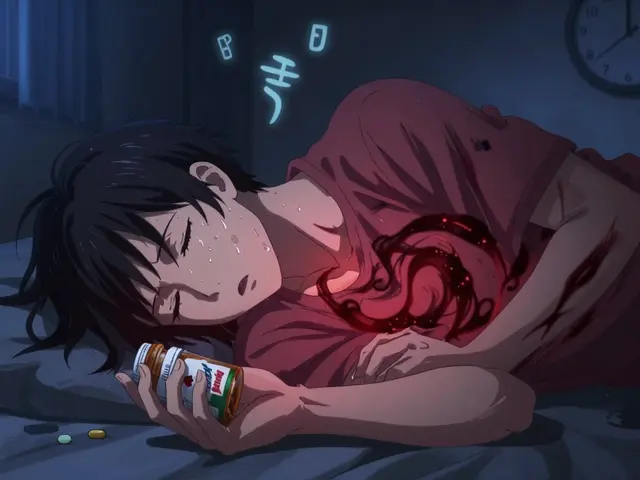
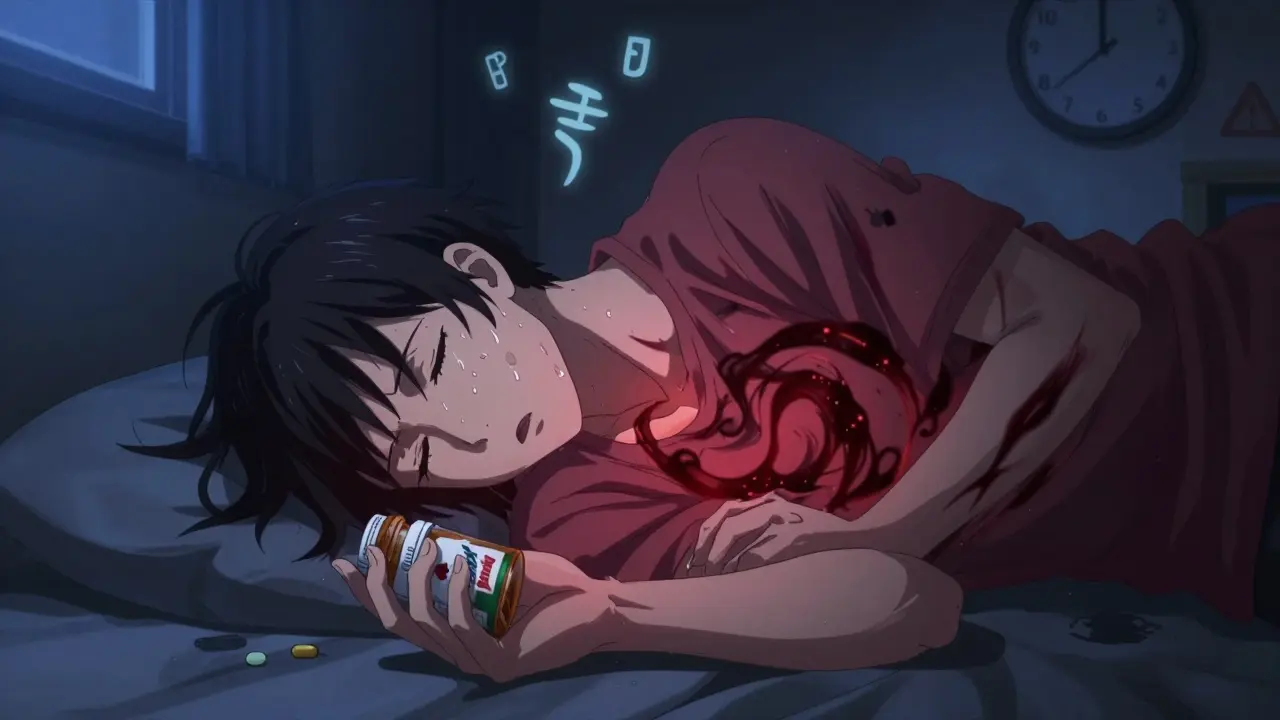
It’s easy to think of antihistamines as harmless. You grab a bottle of Benadryl for allergies, a sleep aid, or even an itchy rash, and pop a pill. But when you’re already taking an opioid for pain-whether it’s hydrocodone, oxycodone, or morphine-adding an antihistamine can turn a routine choice into a life-threatening mistake.
How These Two Drugs Work Together to Slow Your Breathing
Opioids bind to receptors in your brain and spinal cord to block pain signals. But they also slow down your brain’s automatic breathing control. That’s why even a small overdose can cause shallow breaths or complete respiratory failure. First-generation antihistamines like diphenhydramine (Benadryl), hydroxyzine (Atarax), and doxylamine (Unisom) do something similar. They cross into your brain and block histamine, which keeps you awake. That’s why they make you drowsy. But they also depress the same brainstem areas that control breathing.When you combine them, it’s not just 1 + 1 = 2. It’s more like 1 + 1 = 5. The effects stack up. Your brain gets confused. It stops responding to rising carbon dioxide levels. Your breathing gets slower, shallower, and eventually stops. There’s no safety net. Unlike benzodiazepines, which can be reversed with flumazenil, there’s no antidote for antihistamine-induced sedation. Once it hits, all you can do is wait for the drugs to clear-or hope someone finds you in time.
Who’s Most at Risk-and Why
This isn’t just a theoretical danger. Real people are ending up in the ICU because of this mix.Older adults are especially vulnerable. Their bodies process drugs slower. Their lungs are weaker. And many are already on multiple medications. The Beers Criteria, used by geriatric specialists, lists diphenhydramine and hydroxyzine as potentially inappropriate for people over 65 because of their strong anticholinergic effects. That means they don’t just cause drowsiness-they can cause confusion, urinary retention, constipation, and even delirium. Add an opioid on top, and the risk of falling, choking, or stopping breathing skyrockets.
People with COPD, sleep apnea, or heart disease are also at higher risk. A 2021 study found that opioid-induced respiratory depression happens most often in the first 24 hours after surgery-and patients with existing lung or heart problems were the most likely to have serious complications. One patient in a Cleveland hospital, 68 years old, was found unresponsive after taking hydrocodone for back pain and Benadryl for itching. He spent 36 hours in the ICU. He survived. Many don’t.
Even younger, otherwise healthy people aren’t safe. A Reddit user shared a case where a 29-year-old woman took oxycodone for a dental procedure and diphenhydramine for post-op nausea. She passed out at home. Her roommate found her with a pulse but barely breathing. They called 911. She needed naloxone to wake up.

Why Doctors Don’t Always Warn You
The problem isn’t just the drugs-it’s the assumption that antihistamines are safe. Many patients don’t think of Benadryl or Unisom as “medications” in the same way as opioids. They’re sold over the counter. They’re in cold medicines, sleep gummies, and even some pain relievers. A 2021 NIH survey found that 68% of patients don’t tell their doctors what OTC drugs they’re taking. Why? Because they don’t think it matters.Doctors don’t always ask. They focus on prescription drugs. They assume patients know not to mix things. But the FDA warned in 2016 that combining opioids with any CNS depressant-including antihistamines-can cause coma or death. And yet, only 34% of patients prescribed opioids get proper counseling about drug interactions, according to the CDC.
Pharmacists are catching on. Most now include interaction warnings on opioid labels. Electronic health records in 92% of U.S. hospitals now trigger hard stops if a prescriber tries to write both an opioid and a sedating antihistamine together. But that doesn’t help someone who buys Benadryl at the gas station after leaving the clinic.
What You Can Do to Stay Safe
If you’re on an opioid for pain, here’s what you need to know:- Avoid first-generation antihistamines entirely. That includes diphenhydramine, hydroxyzine, doxylamine, chlorpheniramine, and promethazine. These are the ones that cross into your brain and cause sedation.
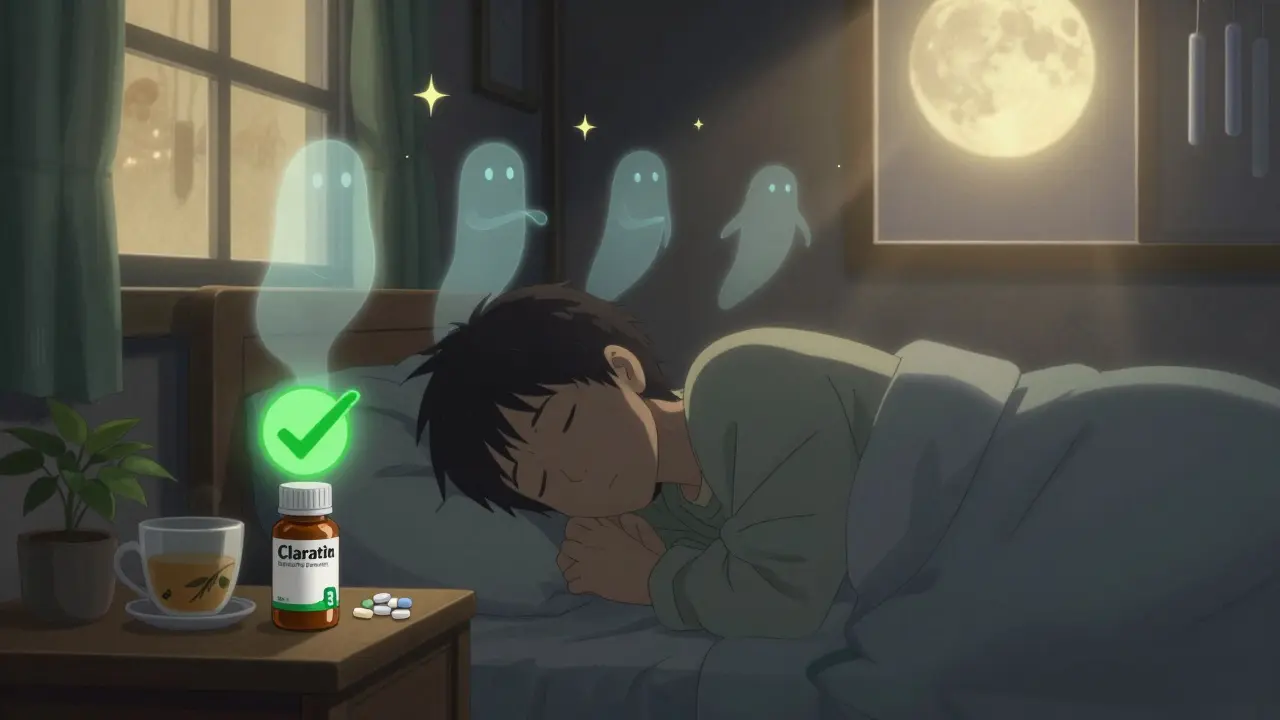
- Switch to second-generation antihistamines. Fexofenadine (Allegra), loratadine (Claritin), and cetirizine (Zyrtec) have minimal brain penetration. At standard doses, they cause little to no drowsiness. Zyrtec can cause mild sedation in some people, but it’s far safer than Benadryl.
- Check every medication label. Antihistamines hide in multi-symptom cold and flu products. Read the “Active Ingredients” section. If it says “diphenhydramine,” “doxylamine,” or “hydroxyzine,” don’t take it with your opioid.
- Tell your doctor about every OTC pill you take. Even if you think it’s “just for sleep” or “a little help with itching.”
- Don’t rely on “I’ve taken it before and been fine.” Tolerance changes. Your body changes. A dose that was safe last month might be dangerous now.
What Your Doctor Should Be Doing
Health systems are slowly catching up. The University of Michigan reduced adverse events by 42% after adding automated alerts in their EHR system. The FDA now requires opioid REMS programs to train over 1.4 million prescribers on the risks of combining opioids with CNS depressants-including antihistamines. But change moves slowly.Doctors should be screening every patient on opioids for OTC medication use. They should be asking: “Are you taking anything for sleep? Allergies? Itching? Nausea?” They should be offering alternatives. And they should be documenting the conversation. If you’re being prescribed an opioid, ask your doctor: “Is it safe to take antihistamines with this?” If they say yes without asking what kind, walk out and find someone who knows better.
The Bottom Line
This isn’t about fear. It’s about facts. Opioids and antihistamines don’t just make you sleepy. They can stop your breathing. And once that happens, there’s no quick fix. The safest choice isn’t to take less of both. It’s to avoid the combination entirely.There are safe alternatives. For allergies, use Allegra or Claritin. For sleep, try melatonin or non-drug strategies like sleep hygiene. For itching, use topical corticosteroids or cool compresses. If you’re struggling with pain and symptoms at the same time, talk to your doctor about a plan that doesn’t put your life at risk.
You don’t need to suffer to be safe. And you don’t need to guess whether a pill is dangerous. If it’s an antihistamine and it makes you drowsy, don’t mix it with an opioid. Period.
Can I take Benadryl with my opioid painkiller?
No. Taking Benadryl (diphenhydramine) with an opioid like oxycodone or hydrocodone significantly increases the risk of extreme drowsiness, slowed breathing, and even death. Both drugs depress the central nervous system, and together, they can stop your breathing. Even if you’ve taken them together before without issue, your tolerance can change, and the risk remains high.
Are all antihistamines dangerous with opioids?
No, but most over-the-counter ones are. First-generation antihistamines like diphenhydramine, hydroxyzine, and doxylamine cross into the brain and cause sedation. Second-generation antihistamines like fexofenadine (Allegra), loratadine (Claritin), and cetirizine (Zyrtec) have very little effect on the brain and are generally safe to use with opioids. Still, always check with your doctor before combining any medication.
What should I do if I accidentally took both?
If you’ve taken an opioid and a sedating antihistamine together and feel extremely drowsy, confused, or have slow or shallow breathing, call 911 immediately. Do not wait. Naloxone can reverse opioid effects but won’t help with antihistamine sedation. Emergency responders will need to monitor your breathing and may need to provide oxygen or mechanical ventilation until the drugs clear your system.
Why don’t more people know about this risk?
Because antihistamines are sold over the counter and marketed as “mild” or “non-drowsy” (even when they’re not). Many patients don’t think of them as real medications. Doctors often don’t ask about OTC use. And pharmacies don’t always flag these interactions unless the system is programmed to do so. The FDA has issued warnings since 2016, but public awareness remains low-especially among older adults who are most at risk.
Can I use natural remedies instead of antihistamines?
Yes, for many symptoms. For allergies, try saline nasal rinses, HEPA filters, or avoiding triggers. For itching, cool compresses, oatmeal baths, or topical hydrocortisone can help. For sleep, focus on sleep hygiene: dark room, no screens before bed, consistent schedule. These don’t carry the same risks as sedating drugs. If symptoms persist, talk to your doctor about safer prescription options.