Warfarin Binge Drinking Risk Checker
Your Risk Assessment
Risk Results
Enter your information above to see your risk level.
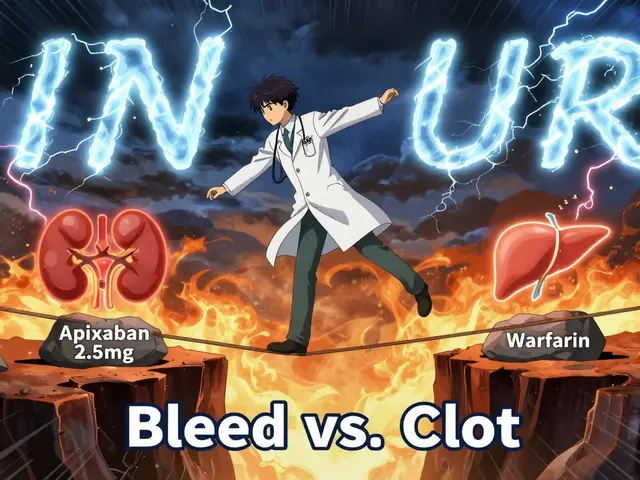
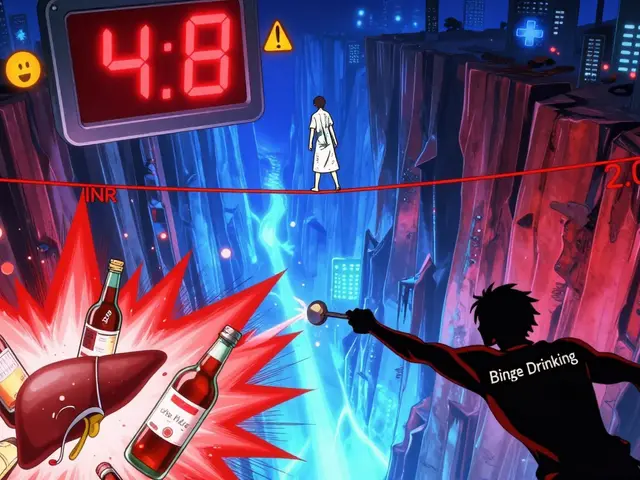
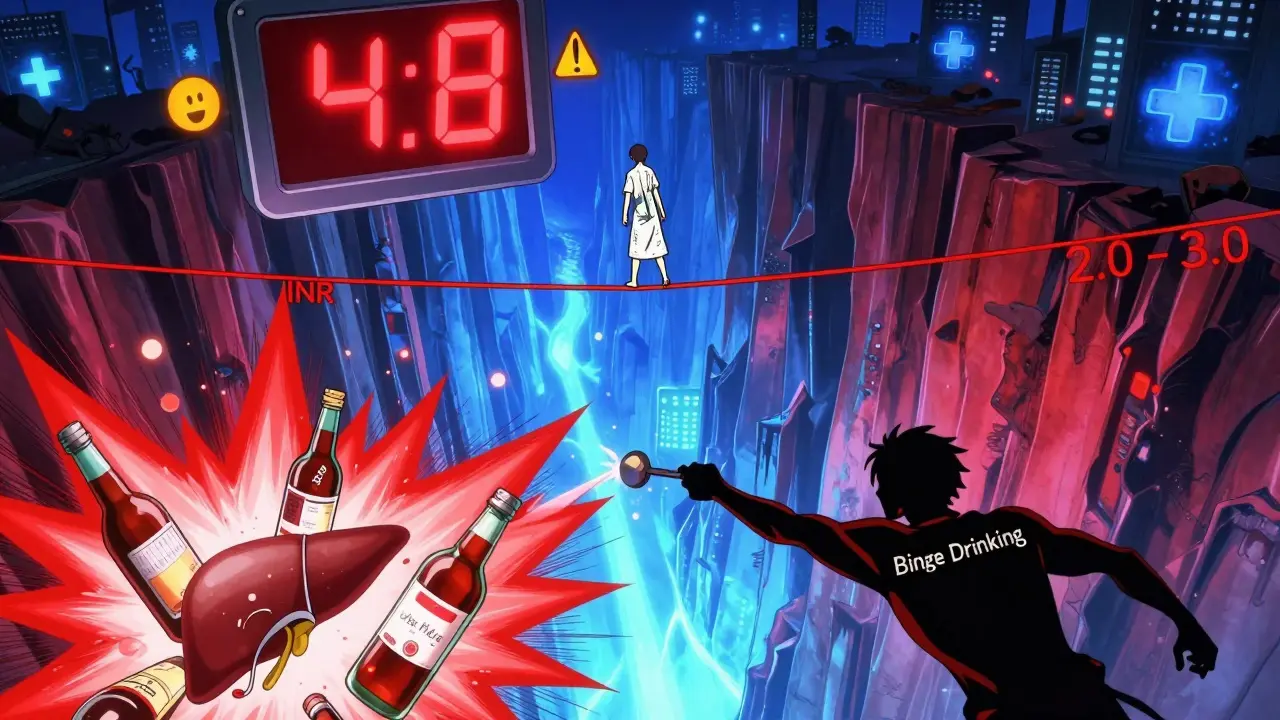
When you're on warfarin, your body is walking a tightrope. Too little blood thinning, and you risk a clot. Too much, and you could bleed internally without warning. Now add binge drinking into the mix - and that tightrope turns into a high-wire act over a canyon.
What Happens When You Drink Heavily on Warfarin?
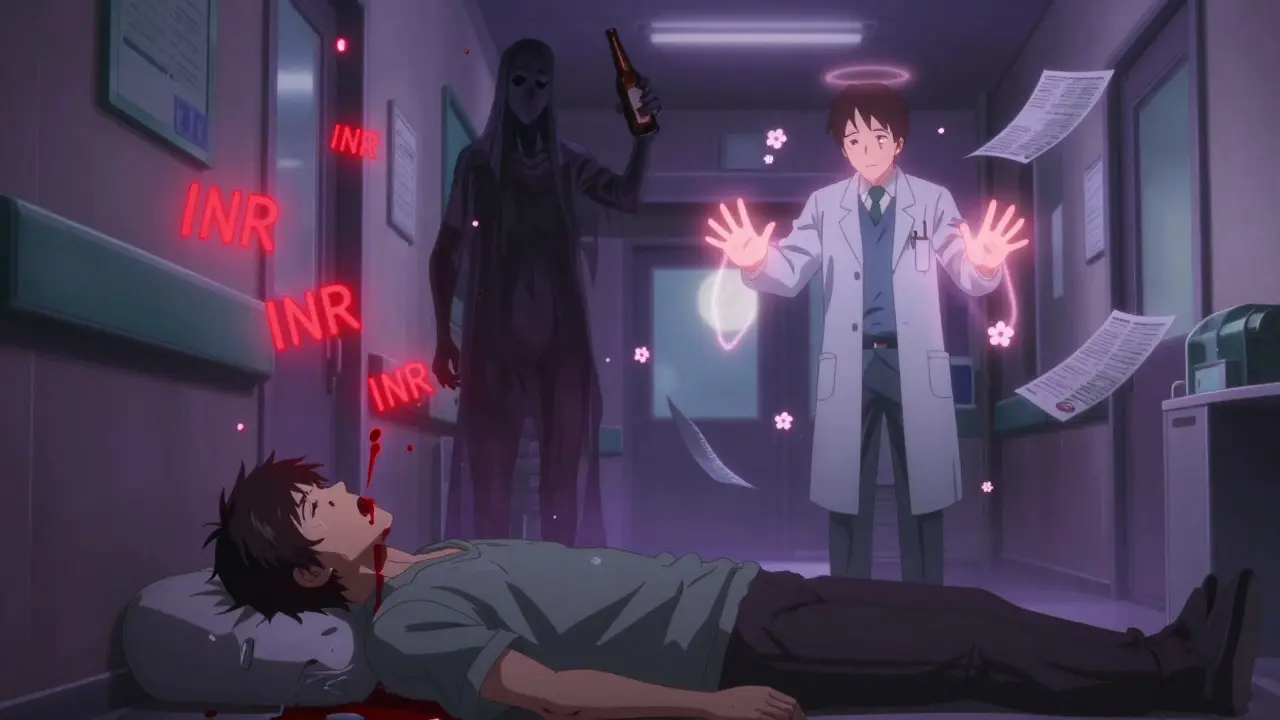
Warfarin works by blocking vitamin K, which your liver needs to make clotting factors. It’s precise. Too much, and your INR shoots up. Too little, and it drops. The goal? Keep it between 2.0 and 3.0. That’s the sweet spot for most people with atrial fibrillation, deep vein clots, or mechanical heart valves. But alcohol? It throws that balance off - and not in a predictable way. Binge drinking means five or more drinks in two hours for men, four or more for women. That’s not a few beers at dinner. That’s a rapid spike in blood alcohol. And when that happens while you’re on warfarin, your INR can jump dangerously high within hours. Why? Alcohol competes with warfarin for the same liver enzymes - CYP2C9 and CYP3A4. When you drink heavily, those enzymes get overwhelmed. Warfarin doesn’t break down as fast. It builds up. Your blood thins more than intended. INR spikes. Bleeding risk soars. But here’s the twist: if you drink heavily every day, the story changes. Your liver starts adapting. Those same enzymes get overworked and start working faster. Now warfarin breaks down too quickly. INR drops. You’re at risk for clots. Then you stop drinking - maybe for a weekend - and your liver slows back down. Warfarin builds up again. INR spikes. Again. Bleeding risk. This rollercoaster - high INR one day, low the next - is why doctors warn against binge drinking. It’s not just about one bad night. It’s about unpredictable, dangerous swings.The Real Risk: Bleeding You Can’t See Coming
The numbers don’t lie. A 2015 study from the University of Michigan followed over 1,200 people on warfarin. Those who binge drank had more than double the risk of major bleeding. For people who’d been on warfarin over a year? The risk jumped to over three times higher. Major bleeding means more than a nosebleed. It means:- Hemoglobin dropping by 2 g/dL or more
- Needing two or more units of blood
- Internal bleeding in the brain, gut, or abdomen
What Do the Experts Say?
The British Heart Foundation says it plainly: “It’s OK to drink alcohol on warfarin - if you stick to the limits.” That means no more than 14 units a week. And here’s the kicker: you shouldn’t save all 14 for one night. That’s binge drinking. Even if you average under the limit, drinking it all in one go is dangerous. The University of Iowa gives clearer numbers: no more than two drinks a day for men, one for women. And they stress: “It is not safe to binge drink by having many drinks in one day.” The American Heart Association, the NHS, and the Anticoagulation Forum all agree: binge drinking and warfarin are a bad mix. The FDA even removed its black box warning about alcohol and warfarin in 2010 - not because the risk was gone, but because evidence was still emerging. Since then, multiple studies have confirmed it. In 2022, the American College of Physicians formally asked the FDA to put the warning back.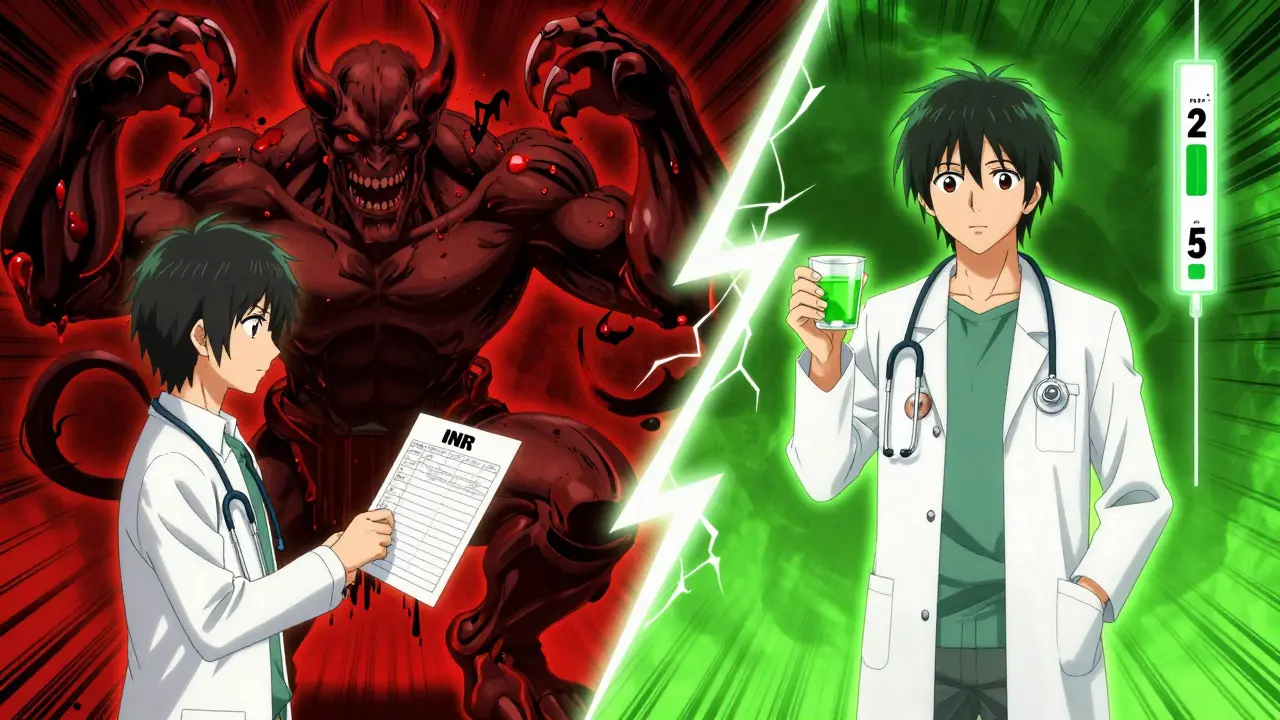
What About Newer Blood Thinners?
Many people switch from warfarin to DOACs - drugs like apixaban, rivaroxaban, or dabigatran. They don’t need regular INR checks. They have fewer food interactions. But they’re not magic bullets. The FDA’s own adverse event database shows that heavy alcohol use with rivaroxaban increases the risk of gastrointestinal bleeding by 80%. Other DOACs carry similar warnings. Alcohol still thins your blood. It still stresses your liver. It still raises your bleeding risk. Switching to a DOAC doesn’t mean you can drink like you used to. It just means you might not know your INR is off - until it’s too late.What Should You Do?
If you’re on warfarin and you drink:- Avoid binge drinking at all costs. Even one episode can spike your INR.
- Stick to the limits. One drink a day for women, two for men - spread out, not saved up.
- Get your INR checked within 72 hours after drinking heavily. Don’t wait for your next scheduled test.
- Know the warning signs. Unusual bruising, gum bleeding, blood in urine or stool, vomiting blood, intense headaches, dizziness - these aren’t normal. Call your doctor.
- Talk to your pharmacist or anticoagulation clinic. They can adjust your dose if you’ve had a binge. Don’t wait for your next appointment.