
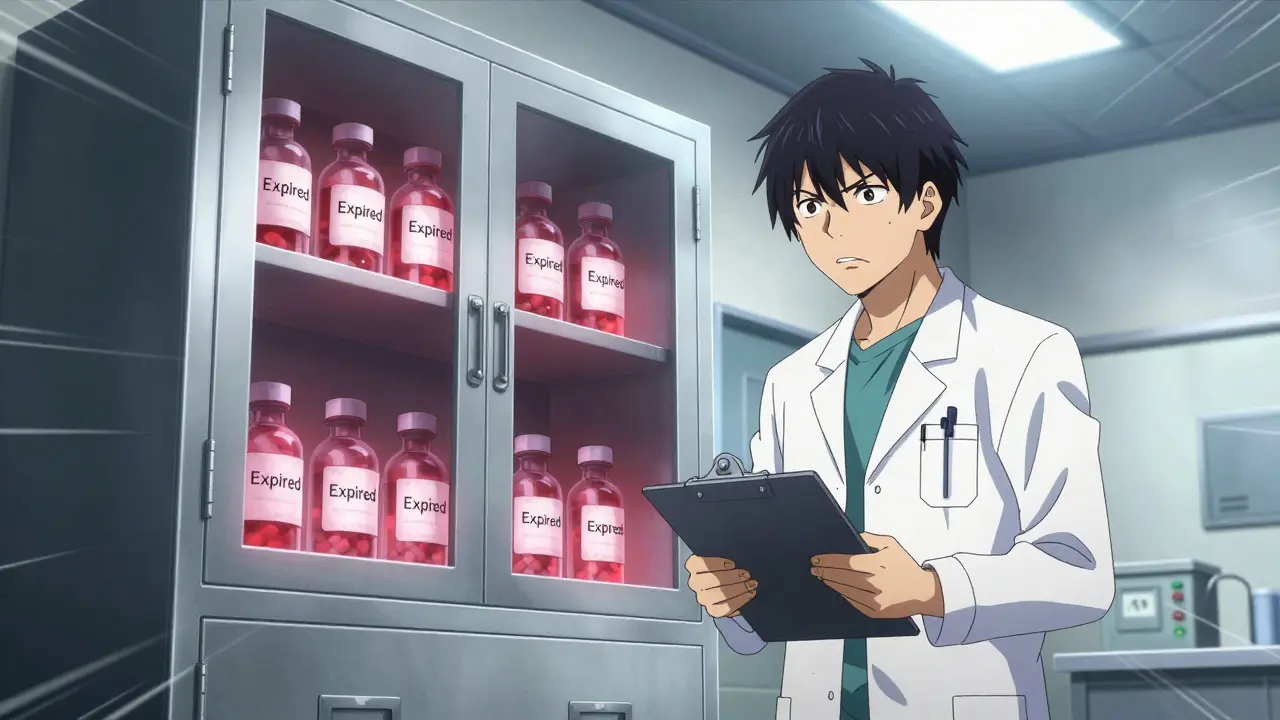
Throwing expired painkillers or sedatives into the bin is a massive mistake. In fact, it’s illegal in many jurisdictions and opens your practice up to serious fines, license suspension, or even criminal charges. Unlike standard over-the-counter medications, controlled substances are drugs regulated by government agencies due to their potential for abuse, addiction, or diversion. This includes everything from Schedule II opioids like oxycodone to Schedule III-V stimulants and tranquilizers. When these drugs expire, they don't just lose potency-they become a liability that requires strict adherence to federal regulations, primarily those enforced by the Drug Enforcement Administration (DEA).
If you run a clinic, dental office, veterinary practice, or research lab, you likely have a stash of expired narcotics gathering dust in your locked cabinet. The urge to flush them or toss them with regular trash is strong, but the consequences of doing so are severe. Proper disposal isn't just about cleaning out your inventory; it's about maintaining an unbroken chain of custody, preventing drug diversion, and protecting public safety. Getting this wrong can cost you thousands in fees and legal headaches.
Understanding the Regulatory Framework
Before you touch a single pill, you need to understand the rules governing their destruction. The foundation of this process is the Controlled Substances Act (CSA), which was federal legislation enacted in 1970 that created five schedules of controlled substances based on their medical use and potential for abuse. Under the CSA, the DEA holds enforcement authority. However, the specific protocols for disposal were significantly tightened following the Secure and Responsible Drug Disposal Act of 2010. This act amended the CSA to facilitate proper disposal, moving away from vague guidelines toward strict, documented procedures.
The current operational rules are found in Title 21 of the Code of Federal Regulations (21 CFR), specifically Part 1317. Established in 2014, these regulations dictate how registered entities-including healthcare facilities, research institutions, and veterinary practices-must handle unusable or expired drugs. The primary goal? Preventing diversion. Diversion occurs when controlled substances move from legitimate medical channels to illicit ones. Whether intentional theft or accidental negligence, improper disposal is a major contributor to this problem.
You must distinguish between two types of disposal scenarios: "inventory disposal" and "wastage." Inventory disposal involves larger quantities of expired stock that must be rendered non-retrievable. Wastage refers to small amounts, such as partial doses left over after administration, which have slightly different documentation requirements but still demand rigorous oversight. Confusing these two can lead to compliance failures during audits.
What Not to Do: Common Disposal Myths
Let’s clear up some dangerous misconceptions right now. If you’ve ever heard advice suggesting you mix old pills with coffee grounds or kitty litter before throwing them in the trash, stop. That advice applies only to general, non-controlled medications. For controlled substances with recoverable amounts, this method is explicitly unacceptable according to policies from major academic medical centers like the University of Michigan and UCSF.
Here is a list of prohibited actions:
- Flushing: Never flush controlled substances down the toilet or sink. While the FDA has a flush list for specific highly toxic drugs, it does not include most controlled substances, and flushing violates environmental protection laws.
- Dissolving in Water: You cannot crush tablets into powder and dissolve them in water for disposal. This leaves the active ingredient potentially retrievable and contaminates wastewater systems.
- Animal Feed: Adding expired drugs to animal feed is strictly forbidden and poses a health risk to animals and farmworkers.
- Sharps Containers: Placing pills in sharps containers is incorrect. Sharps containers are for needles and glass, not solid pharmaceutical waste.
Using any of these methods can result in immediate penalties. The DEA requires that controlled substances be rendered "non-retrievable," meaning no one could extract the active drug from the waste stream. Currently, incineration is the only destruction method reviewed and approved by the DEA that meets this standard.
Disposal Methods: Reverse Distributors vs. On-Site Destruction
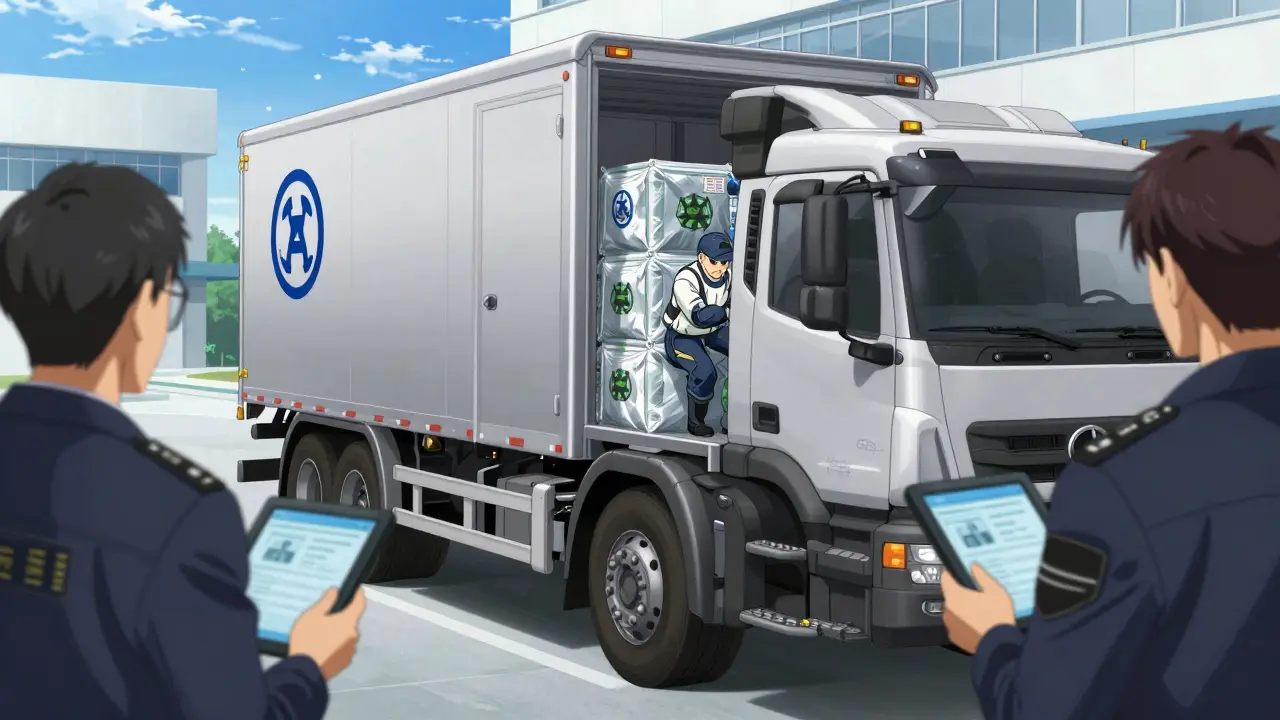
So, if you can’t throw them away, what do you do? The answer depends largely on the schedule of the drug and the quantity involved. For the vast majority of practices, the gold standard is using a reverse distributor, which is a licensed entity authorized by the DEA to receive, store, and dispose of controlled substances from registrants.
Reverse distributors are specialized companies that handle the logistics of secure transport and final incineration. Major players in this market include Stericycle, Daniels Health, and Drug and Laboratory Disposal (DLD). These services charge fees, typically ranging from $250 to $500 per pickup, depending on volume and location. While costly, this service ensures full compliance with 21 CFR Part 1317.
For smaller quantities, specifically "wastage," some institutions allow on-site destruction under strict conditions. This usually requires two authorized personnel to witness the process. However, even in these cases, the waste often still needs to be sent to a certified incinerator. True on-site chemical destruction is rare and requires specific equipment and permits that most clinics do not possess.
| Method | Applicable Schedules | Cost Estimate | Documentation Required | Best For |
|---|---|---|---|---|
| Reverse Distributor Pickup | Schedule I-V | $250 - $500 per pickup | DEA Form 222 (Sch I-II), Logbook entries (Sch III-V) | Larger inventories, annual cleanouts |
| In-House Wastage (Witnessed) | Schedule III-V (Limited) | Low (Labor only) | Two-person witness log, retention for 2 years | Small daily leftovers, immediate wastage |
| Community Take-Back Events | All Schedules | Free | Receipt of collection (if provided) | Public disposal, not for clinical inventory |
Step-by-Step Disposal Process
To ensure you stay compliant, follow this structured approach when handling expired controlled substances. This process aligns with guidelines from leading institutions like the University of Michigan and UCSF.
- Label Clearly: Mark every container as "To Be Disposed," "Do Not Use," or "Expired." This prevents accidental administration by staff or patients.
- Segregate Inventory: Move labeled substances from your active secure storage to a separate, secure area designated for waste. Do not mix them with usable stock.
- Contact Your Provider: Reach out to your Environmental Health & Safety (EHS) department or directly to your contracted reverse distributor. If you don’t have a contract, use the DEA’s online disposal locator tool to find a licensed vendor in your area.
- Complete Documentation: For Schedule I and II substances, you must complete DEA Form 222 when transferring to a reverse distributor. As of January 1, 2023, the Electronic Registration System (ERS) for DEA Form 222 became mandatory, reducing processing times significantly. For Schedule III-V substances, maintain detailed records including the date, manner of disposal, recipient name/address, and quantity.
- Witness the Transfer: Ensure that two authorized personnel witness the handover or disposal process. Both must sign the documentation confirming the transfer occurred as directed.
- Update Logs: Record the disposal in your perpetual inventory logs and zero out the remaining balance for those specific items. Keep these records for at least two years, as required by DEA regulations.
Note that scheduling pickups can take time. Data from a University of Michigan survey showed average wait times of nearly 15 business days. Plan ahead by coordinating with your EHS team well before expiration dates hit.
Documentation and Record Retention
Paperwork is where most practices fail inspections. The DEA emphasizes that record retention for at least two years is non-negotiable. This includes all forms related to the disposal, whether it’s the DEA Form 222, Chain of Custody Forms from your distributor, or internal wastage logs.
According to a 2022 DEA compliance audit of 417 dental practices, paper-based systems had an error rate of approximately 18.7%. To mitigate this, consider using digital inventory management systems. Institutions like UCSF use the Research Inventory Online (RIO) system, which streamlines requests and reduces human error. If you’re a smaller practice without a sophisticated software suite, double-check every entry manually. Ensure that the names of the witnesses match their signatures exactly. Any discrepancy can trigger an investigation.
Additionally, training is critical. The DEA mandates initial 2-hour training and annual 1-hour refreshers for all personnel handling disposal. Yet, only 67.3% of facilities met this requirement in recent audits. Make sure your staff knows who the "authorized agents" are and how to properly fill out the logs. Ignorance is not a valid defense during a compliance inspection.
Challenges and Practical Tips
Even with the best intentions, disposing of controlled substances can be frustrating. Fees are rising, with average costs increasing by 6.8% annually. Processing delays for DEA Form 222 used to be a nightmare, averaging three weeks, but the new electronic system has cut this to roughly 1.2 days. Still, logistical hurdles remain.
One common complaint among pharmacy technicians and researchers is the difficulty in scheduling timely pickups. If you’re facing long wait times, try consolidating your disposals. Instead of calling for a pickup every month, accumulate waste until you reach a threshold that justifies the fee, provided you have adequate secure storage space. Just remember to keep the segregated waste clearly labeled and secured.
For veterinary practices, confusion is rampant. Nearly 44% of respondents in a recent AAHA survey reported uncertainty about acceptable disposal methods. If you’re in vet med, lean heavily on the DEA’s online disposal locator tool. It helps identify reverse distributors familiar with animal-specific formulations. Don’t assume that because a drug is for a dog, it has fewer restrictions. It doesn’t.
Finally, stay updated on regulatory changes. The DEA is planning to implement the Electronic Inventory Management System (EIMS) by 2025, which will require real-time disposal reporting. Preparing your workflows now will save you significant stress later. Compliance isn’t just about avoiding fines; it’s about demonstrating that your practice prioritizes patient safety and community responsibility.
Can I flush expired controlled substances down the toilet?
No, flushing is never recommended for controlled substances unless explicitly stated on the FDA's flush list, which rarely includes typical narcotics. Flushing violates environmental protection laws and risks contaminating water supplies. Always use a reverse distributor or approved take-back program.
What is the difference between Schedule II and Schedule III-V disposal?
Schedule II substances (like morphine or oxycodone) require DEA Form 222 for transfer to a reverse distributor and stricter documentation. Schedule III-V substances (like codeine combinations or benzodiazepines) require detailed logs including date, quantity, and recipient details, but do not require DEA Form 222 for disposal transfers.
How long must I keep disposal records?
You must retain all records related to the disposal of controlled substances for a minimum of two years. This includes DEA Forms 222, chain of custody documents, and internal wastage logs witnessed by authorized personnel.
Who are reverse distributors?
Reverse distributors are DEA-registered entities authorized to receive, store, and dispose of controlled substances from other registrants. They arrange for secure transport and final incineration, ensuring the drugs are rendered non-retrievable. Examples include Stericycle and Daniels Health.
Is it legal to mix expired pills with coffee grounds?
No, mixing with coffee grounds or kitty litter is only acceptable for non-controlled, general medications. For controlled substances, this method is unacceptable because the active ingredients may still be recoverable, violating DEA regulations regarding rendering substances non-retrievable.