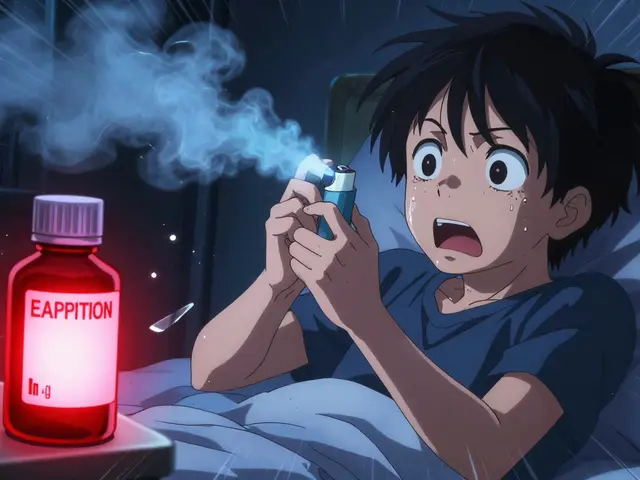
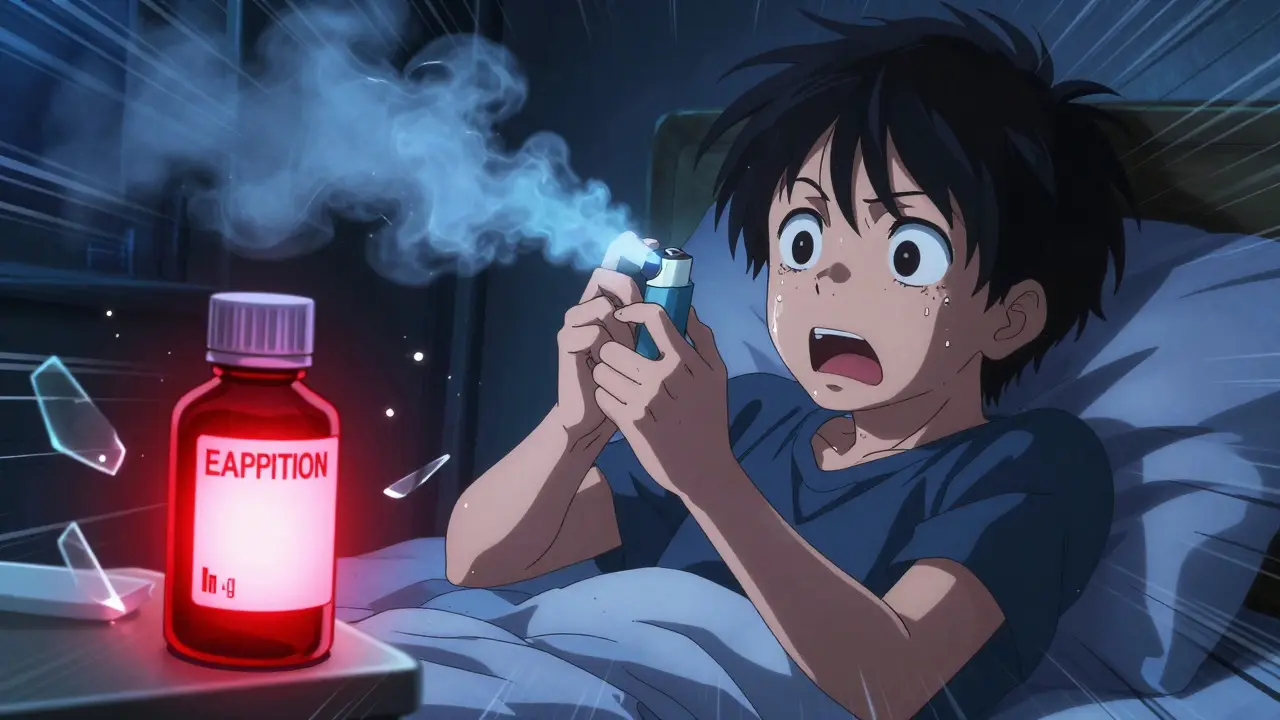
Most people don’t think twice about keeping an old inhaler, eye drop bottle, or cream in the medicine cabinet-until they need it. Maybe it’s an asthma attack at 2 a.m., a sudden eye irritation, or a rash that won’t quit. You reach for that bottle labeled "expired last June," and hope it still works. But here’s the hard truth: expired inhalers can fail when you need them most. And using old eye drops or creams might seem harmless, but it’s riskier than you think.
Why Expired Medications Aren’t Just Weak-They’re Dangerous
Expiration dates aren’t arbitrary. They’re based on real science. Manufacturers test each drug under controlled conditions to find out how long it stays potent and safe. For most pills and liquids, that’s 12 to 24 months after production. But inhalers, eye drops, and topical creams? They’re different. They degrade faster, and their failure modes are more dangerous. Take inhalers. If your albuterol inhaler is past its expiration date, it might still spray. But the dose? It could be 30% weaker. A 2021 study in the Chest Journal found that expired albuterol inhalers delivered only 60-70% of the labeled dose. That’s not a minor drop-it’s the difference between breathing easy and ending up in the ER. The American Lung Association says using an expired inhaler during an asthma attack could be life-threatening. And it’s not just albuterol. Same goes for corticosteroid inhalers like Advair or Symbicort. If they’re expired, you’re not getting the anti-inflammatory dose you need to prevent worsening symptoms. Eye drops are even scarier. Once past their expiration date, they become breeding grounds for bacteria. A 2022 study in Clinical Ophthalmology found that 38% of expired artificial tears had microbial contamination after just 7 days. That’s not just irritation-it’s a real risk of eye infections that can damage your vision. The American Academy of Ophthalmology warns that 42% of expired eye drop samples tested positive for bacteria at 30 days post-expiration. That’s more than 4 out of 10 bottles you might still be using. Topical creams like hydrocortisone? They’re less dangerous but still unreliable. A 2019 study showed that when stored at room temperature, hydrocortisone cream drops to 65% potency just six months after expiration. At higher temperatures-like in a bathroom cabinet-it degrades even faster. You might think, "It’s just a rash," but if it’s not working, you’re delaying real treatment. And if the cream has changed color, smell, or texture? That’s not just old-it’s spoiled.What Happens When You Use an Expired Inhaler?
Let’s say you’re having an asthma flare-up. You grab your old Ventolin inhaler. It sprays. You feel a little better. But here’s what you don’t see: the propellant pressure has dropped. The valve might be clogged. The medication isn’t reaching your lungs the way it should. Dr. Robert Citard, a pharmacy professor at Purdue University, says expired albuterol inhalers can have dose variability jumping from 5% in fresh ones to 35% in expired ones. That means one puff might give you a full dose. The next puff? Almost nothing. That unpredictability is terrifying during an emergency. In a 2023 case report published in the Journal of Emergency Medicine, a 24-year-old patient was hospitalized after an asthma attack didn’t respond to his expired inhaler. He had used it for months past the date. He thought it was fine because it "still sprayed." And it’s not just about effectiveness. Expired inhalers are also a fire hazard. Many contain propellants like HFA-134a, which are pressurized and flammable. If you toss one in the trash, and it gets crushed in a compactor, it can explode. The MedProDisposal 2023 report found that up to 29% of the medication remains in expired inhalers-even after you think you’ve used them dry. That’s enough to create a dangerous situation in waste facilities.Eye Drops and Topical Creams: The Silent Risks
Eye drops are sterile. Once opened, they’re exposed to air, dust, and your fingers. Even if they’re unopened past expiration, the preservatives break down. Without those preservatives, bacteria and fungi can grow. You might not notice anything at first. But then you get redness, pain, or blurred vision. By then, it’s often too late for simple treatment. Topical medications like hydrocortisone, antifungal creams, or antibiotic ointments don’t carry the same immediate danger as eye drops or inhalers. But they still lose effectiveness. If your eczema cream isn’t working after the expiration date, you’re not just wasting time-you’re letting inflammation get worse. And if the cream smells funny, separates, or turns grainy? Throw it out. That’s not "just old." That’s chemical breakdown. The FDA says expiration dates are about potency, not safety. But for these types of medications, safety and potency are tied together. A weak inhaler doesn’t just fail-it can kill. A contaminated eye drop doesn’t just irritate-it can blind. And a degraded cream? It might make your skin worse.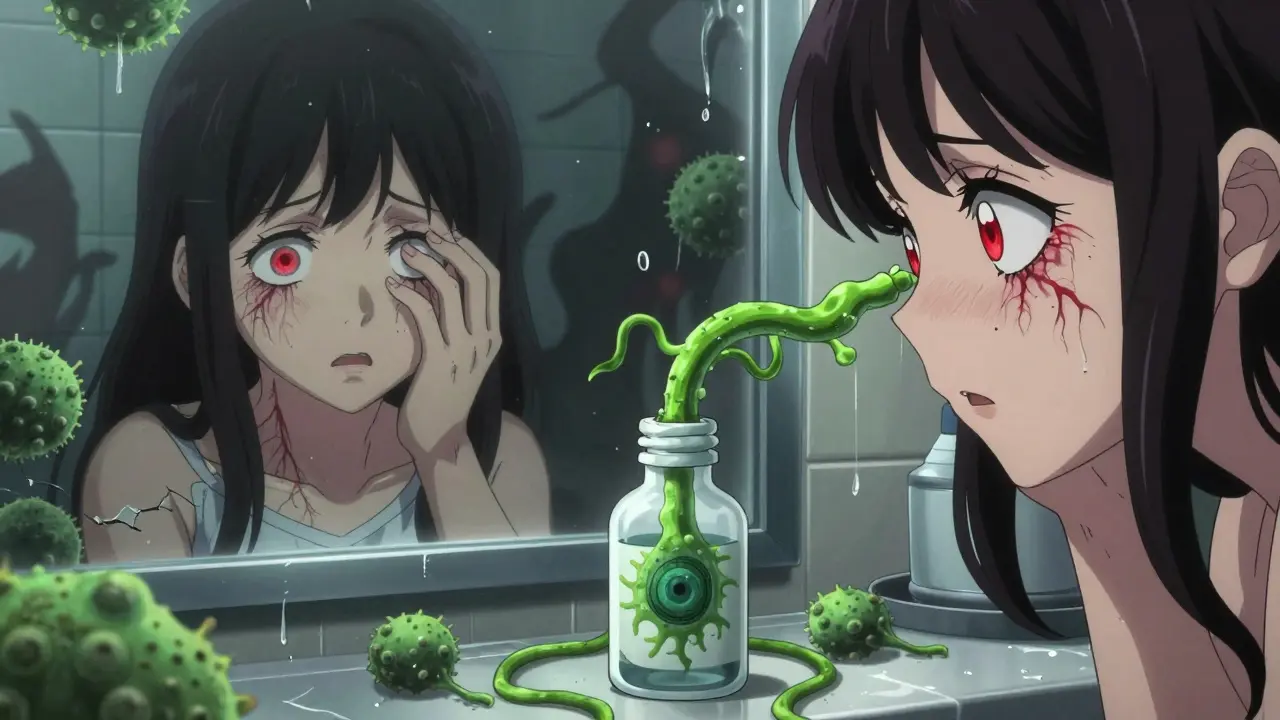
How to Properly Dispose of Expired Medications
You’re not supposed to flush them. You’re not supposed to throw them in the trash. But what *should* you do? The best option? Drug take-back programs. The DEA runs over 11,000 collection sites across the U.S., including pharmacies like CVS and Walgreens. Most offer drop-off bins year-round. You can find your nearest site at deas takeback day (no link in final output). Just bring your expired inhalers, eye drops, creams-everything. No questions asked. If there’s no take-back site near you, here’s the FDA’s safe at-home method:- Remove medication from the original container.
- For inhalers: Do NOT puncture or burn. Remove the metal canister if possible (some can be recycled separately).
- Mix pills, liquids, or creams with something unappetizing-used coffee grounds, cat litter, or dirt.
- Put the mixture in a sealed plastic bag or container.
- Throw it in the trash.
What About "Just Using It If It Looks Fine"?
I get it. You’re on a fixed income. You can’t afford a new inhaler. You’ve seen people online say, "My albuterol worked fine 8 months past expiration." But here’s the problem: you’re not a lab. You can’t test the dose. That one time it worked? That was luck. The next time, it might not work at all. And if you’re relying on it during an emergency? That’s gambling with your life. The FDA’s Shelf Life Extension Program found that some drugs last years beyond expiration-under perfect lab conditions. But that’s not your bathroom cabinet. Heat, humidity, and light destroy medications fast. Inhalers are especially sensitive. ProAir RespiClick, for example, is only good for 13 months after you open the foil pouch. That’s it. No exceptions. And if you’re using expired allergy meds? The American Academy of Allergy, Asthma & Immunology warns they might not stop anaphylaxis. That’s not a minor risk. That’s a death sentence.What You Can Do Today
1. Check your medicine cabinet. Pull out every inhaler, eye drop, and topical cream. Write down the expiration date. 2. Don’t wait for a crisis. If something’s expired, dispose of it now. Don’t wait until you need it. 3. Use take-back programs. Find your nearest drop-off site. CVS, Walgreens, and many police stations offer them. 4. Ask your pharmacist. They can tell you if your inhaler is still safe to use-or if you qualify for a free replacement program. 5. Store meds properly. Keep inhalers and creams away from heat and moisture. Don’t store them in the bathroom. A cool, dry drawer is best. If cost is the reason you’re holding onto expired meds, talk to your doctor. Many manufacturers offer patient assistance programs. The Asthma and Allergy Foundation of America partnered with 1,200 community clinics in 2023 to give out free inhaler disposal kits and replacement vouchers. You’re not alone. There are resources.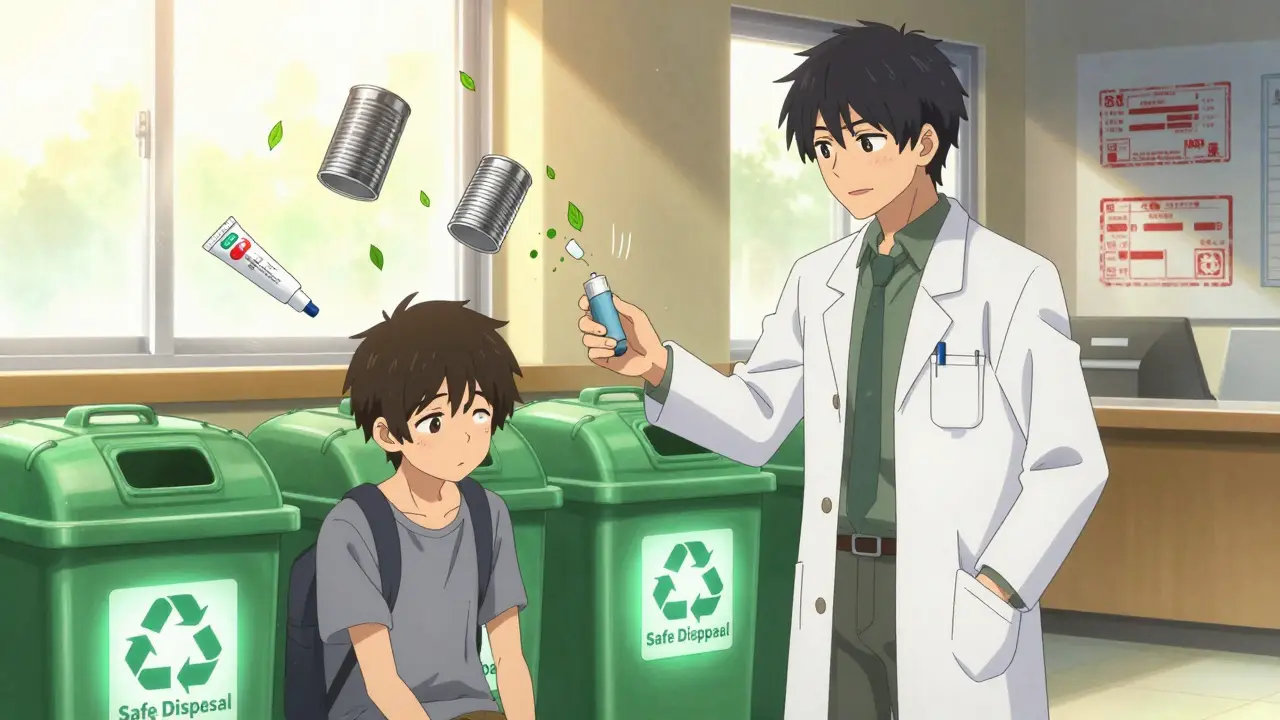
What’s Changing in 2026
By 2027, 90% of major pharmacies will offer full medication disposal services. The Inflation Reduction Act gave $5 million to expand take-back programs. Smart inhalers like Propeller Health’s new cap now alert you 30 days before expiration and even guide you to the nearest disposal site. But until then? Don’t rely on future tech. Your health is now.Frequently Asked Questions
Can I still use an expired inhaler if it still sprays?
No. Just because an inhaler sprays doesn’t mean it’s delivering the right dose. Studies show expired albuterol inhalers can deliver as little as 60% of the labeled amount. During an asthma attack, that’s not enough to open your airways. Using an expired inhaler in an emergency could lead to hospitalization-or worse.
Is it safe to flush expired eye drops down the toilet?
No. Flushing medications pollutes waterways. The U.S. Geological Survey found medication residues in 80% of U.S. waterways. Instead, use a drug take-back program or mix the drops with coffee grounds or cat litter, seal them in a container, and throw them in the trash.
What should I do with the metal canister from an expired inhaler?
Remove the plastic mouthpiece and cap. The metal canister may be recyclable-check with your local recycling center. Do NOT puncture or incinerate it. Even empty canisters contain residual propellant and can explode under pressure. If in doubt, take the whole inhaler to a take-back site.
Are there free programs to replace expired inhalers?
Yes. Many pharmaceutical companies offer patient assistance programs for low-income users. The Asthma and Allergy Foundation of America works with 1,200 clinics nationwide to provide free inhaler replacement kits. Ask your doctor or pharmacist-they often have the forms and contact info.
How do I know if a topical cream has gone bad?
Look for changes: separation, discoloration, strange odor, or grainy texture. If it smells rancid or looks different than when you bought it, throw it out. Potency drops over time, but physical changes mean chemical breakdown-and that can irritate your skin or cause infection.